What Is a Domestic Shorthair Cat?



Photo by Chewy
Cats come in all shapes, sizes, and colors. But if you’ve ever scrolled through adoptable cats, you might’ve seen one type more than any other: the domestic shorthair (DSH), along with their fluffier counterparts, the domestic medium hair (DMH) and the domestic longhair (DLH). But what is a domestic shorthair cat?
Most cats in homes and shelters are domestic shorthairs, and DSH isn’t a breed.
Key Takeaways
- Domestic shorthair is not a cat breed; rather, it’s a term for short-haired cats with mixed or unknown ancestry.
- Most cats in the U.S. are domestic shorthairs.
- The wide genetic diversity of domestic shorthair cats reduces their risk of many inherited diseases seen in purebred cats.
What Is a Domestic Shorthair Cat?
A domestic shorthair cat isn’t a cat breed—it’s a catch-all term for cats with a short coat and mixed or unknown ancestry.
“Domestic shorthair is a general term for any shorthair cat without a known family tree,” says Dean Vicksman, DVM, CVJ, of EveryCat Health Foundation.
Think of domestic shorthairs as the feline version of a mutt: wonderfully varied and totally unique, yet very common. In fact, roughly 80% of cats in the U.S. are domestic shorthair, domestic medium hair, or domestic longhair cats. Only about 16% to 18% belong to one of the recognized cat breeds.
“Dogs have been subject to intentional selective breeding for an extended period, resulting in distinct breeds and well-defined lineages,” explains Robert Grahn, PhD, associate director of services and test development at the Veterinary Genetics Laboratory at UC Davis. This intentional breeding over thousands of years is what created the more than 200 dog breeds we know and love today.
“Domestic cats followed an opposite trajectory,” Dr. Grahn says. They lived alongside humans but remained free-breeding populations, choosing their own mates and retaining a wide mix of traits.
Intentional cat breeding is actually relatively new. The first modern cat-breeding program didn’t begin until the late 19th century, thousands of years after the beginnings of intentional dog breeding.
What Does a Domestic Shorthair Cat Look Like?
Domestic shorthair cats come in every common cat color, including white, black, orange, blue, gray, cream, brown, cinnamon, and fawn. They can also have just about any pattern, including solid, tabby, bicolor, tortoiseshell, and calico.
Body shape, size, and features vary just as much. Some domestic shorthairs stay small forever, while others are big and sturdy.
However, there are some traits you likely won’t see in a domestic shorthair.
“You almost never see a random-bred cat with a flat face like a Persian, folded ears like a Scottish Fold, or no hair like a Sphynx,” Dr. Vicksman says. “Those traits are mainly the result of people choosing [and intentionally breeding cats for]them, not nature.”
American Shorthair vs. Domestic Shorthair Cats: What’s the Difference?
The American Shorthair and the domestic shorthair are not the same cat. The American Shorthair is a recognized breed with clear standards, while the domestic shorthair is a catch-all term for non-pedigree cats.
American Shorthairs are known for being easygoing, muscular cats with a broad face, thick coat, and strong hunting instincts. They come in many colors and patterns, though a silver or gray coat with black markings is their most popular look.
“A domestic shorthair doesn’t follow any rules,” Dr. Vicksman says. They come in every body type, color, and personality imaginable, with no breeders or standards guiding how they should look or act.
Domestic Shorthair Cats vs. Domestic Longhair Cats: What’s the Difference?
The difference between a domestic shorthair cat and a domestic longhair cat is solely their coat length. Both terms are catch-all labels used to describe cats of mixed or unknown ancestry, or those bred randomly.
Additionally, “domestic medium hair” describes random-bred cats with a mid-length coat, though it’s a less commonly used term.
Caring for a Domestic Shorthair Cat
There’s good news for domestic shorthair cats: “Having a wide mix of genes is usually great for a cat’s health,” says Dr. Vicksman.
Because domestic shorthairs mate naturally—rather than mating under human preferences—they generally avoid many of the inherited conditions seen in some purebred lines, Dr. Grahn explains.
Because of this, the average domestic shorthair lifespan is 12–15 years, and many live longer with proper care.
You can give your cat the best chance at a long, healthy life by:
Offering a Complete and Balanced Diet
Choose a cat food formulated for your cat’s life stage—kitten, adult, or senior. The food should meet the nutritional standards set by the Association of American Feed Control Officials (AAFCO). Popular picks include Hill’s Science Diet Adult Cat Food and Royal Canin Adult Instinctive Wet Food.
Recommended Products
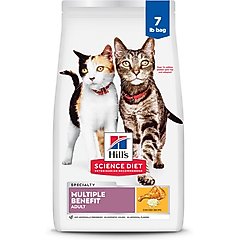

Ask your vet to recommend the best cat food for your domestic shorthair.
Keeping on Top of Preventive Care
Even if your cat seems perfectly healthy, regular veterinary checkups are essential. Adult cats should visit their veterinarian at least once a year, while senior cats benefit from twice-yearly visits.
Kittens typically go more often to stay on top of their kitten vaccination schedule.
Spaying or Neutering Your Cat
Spaying or neutering your cat can increase their lifespan by reducing the risk of certain reproductive cancers, such as mammary cancer. It also reduces the likelihood of behavioral issues like territorial aggression and roaming.
Keeping Your Cat Indoors
Allowing your cat to roam freely outdoors can significantly shorten their expected lifespan.
Outdoor cats face risks from cars, predators, harsh weather, and toxic plants or substances. They’re also more likely to encounter infectious diseases such as FeLV, FIV, or FIP.
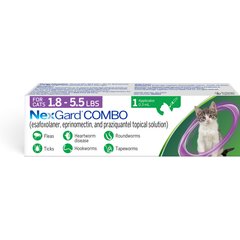
However, even indoor cats aren’t fully protected from parasites such as fleas, ticks, and heartworm. It’s important to keep them on a veterinarian-recommended monthly parasite preventive, such as Revolution Plus or NexGard COMBO.
Recommended Product
Offering Play, Socialization, and Enrichment
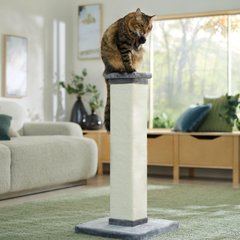
Regular play and enrichment help keep your cat active. This is one of the most important ways you can help your cat maintain a healthy weight, which can significantly improve their lifespan.
Daily movement burns calories, strengthens muscles, and provides essential mental stimulation. As a bonus, regular play and bonding through gentle petting and grooming reduce stress in both you and your cat. Enrichment also decreases the likelihood of unwanted behaviors such as scratching furniture or aggression.
Recommended Products


Is a Domestic Shorthair a Good Cat?
Absolutely! Domestic shorthair cats are incredibly popular due to their unique looks and personalities.
There is some truth that knowing a cat’s breed can reveal personality tendencies. For example, Bengals are typically high-energy and need plenty of enrichment, while Ragdolls are often more laid-back, Dr. Grahn says.
But when it comes to domestic shorthair cats—a mix of many lineages—environment and life experiences play a much larger role.
“Even kittens from the same litter can end up with totally different personalities based on their experiences and the homes they live in,” Dr. Vicksman says.
The best way to know whether a domestic shorthair is the right fit for you is to learn about the individual cat. If you’re adopting a cat, talk to shelter employees or volunteers, who can tell you about the cat’s personality.
Older cats have more predictable temperaments, while adopting a kitten gives you more opportunity to help shape who they’ll become.
Learning More About Your Domestic Shorthair Cat
If you’re curious about your domestic shorthair cat’s background, genetic testing can be a fun way to learn more about them. Just keep your expectations realistic and focus more on the health insights than the breed percentages.
Recommended Product

“The most common misconception I encounter is that cat owners expect ancestry testing to yield results similar to those obtained in dogs,” Dr. Grahn says. You likely won’t get a clear answer on breed, because even if connections exist, they are very far back in the lineage.
And that’s part of the charm of a domestic shorthair cat.
“Their mixed genes are what make them healthy, unique, and full of personality. Every single cat is special, no matter what they look like or where they came from,” Dr. Vicksman says.
Attributions