Clumping vs. Non-Clumping Litter: Which Is Best for Your Cat?


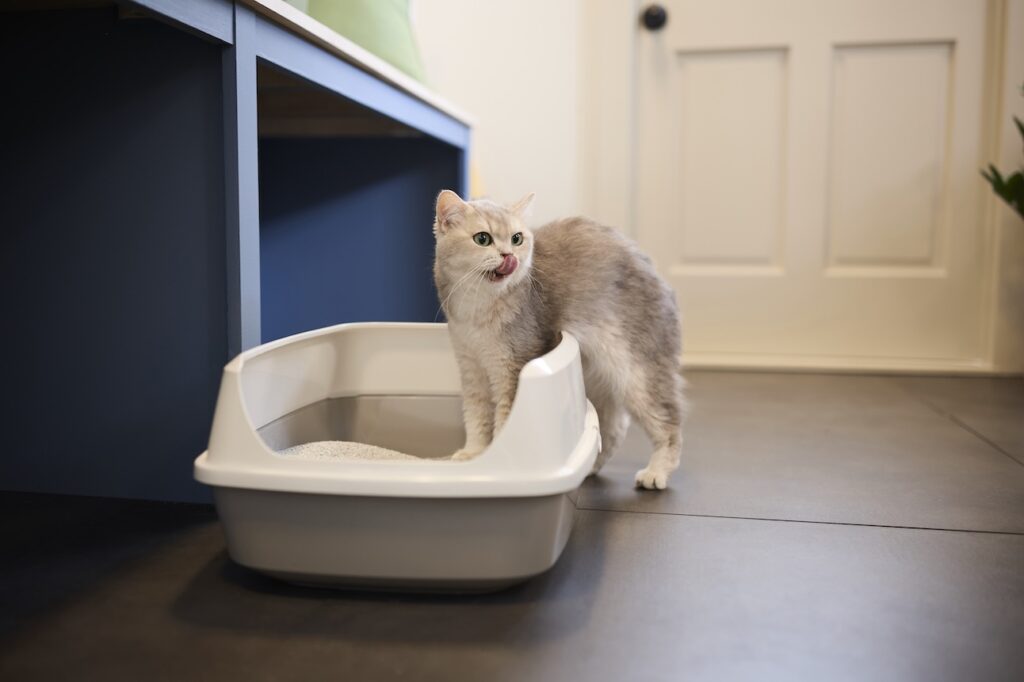
Photo by Chewy
Choosing between clumping vs. non-clumping litter can feel overwhelming, especially with so many litter types on the market.
Both clumping and non-clumping litter for cats have unique benefits and drawbacks. In this guide, we’ll break down how clumping vs. non-clumping cat litter works, the types of litter, and when one might be a better choice for your cat and home.
Key Takeaways
- Clumping litter forms solid clumps when wet, making daily scooping easier and helping control odor.
- Non-clumping litter absorbs moisture but doesn’t form clumps, so it requires more frequent full changes.
- Clumping litter for cats is often made from bentonite clay, while non-clumping kitty litter may be made from clay, paper, wood, or crystals.
- Veterinarians can give litter recommendations based on your cat’s age, health, and preferences.
What Is Clumping Litter for Cats?
Clumping cat litter forms tight clumps when it comes into contact with urine or other liquid, like diarrhea. When your cat uses the litter box, the liquid binds to the litter, creating a scoopable mass. This clumping allows pet parents to remove waste daily without having to replace all the litter in the box.
Most clumping cat litter is made from sodium bentonite clay, a type of absorbent clay that swells when wet, allowing the litter to form firm clumps. Some newer litter types use plant-based materials, such as corn or wheat, that also create clumps.
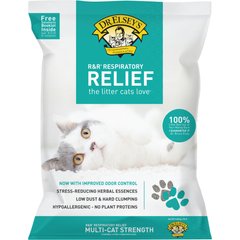
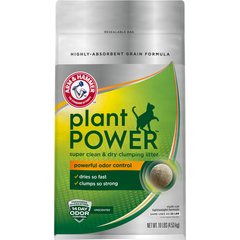
Popular types of clumping cat litter include Dr. Elsey’s Clean Air Cat Litter and Arm & Hammer Plant Power Wheat Cat Litter.
Recommended Products
Pros of Clumping Cat Litter
When it comes to convenience, clumping litter often shines. Some of its benefits include:
- Easy daily scooping: You can remove urine and stool without dumping out the entire box.
- Better odor control: Removing clumps quickly helps reduce smells.
- Longer-lasting litter: Because you’re only removing soiled portions, the remaining litter stays fresh longer.
- Cleaner litter box: Solid clumps make it easier to keep the box tidy.
Considerations for Clumping Cat Litter
But clumping cat litter isn’t perfect for every situation.
- It’s heavier: Clay-based litter can be heavy to carry and pour.
- It can be dusty: Some formulas create dust, which may irritate sensitive cats (such as those with asthma or chronic upper respiratory infections) and pet parents.
- It isn’t fit for litter training kittens: Young kittens who might eat their litter may be better off with non-clumping options. Like babies, kittens often explore the world with their mouths; ingesting clumping litter could cause digestive upset or a life-threatening blockage.
If your cat has respiratory issues or a history of eating litter, talk with your veterinarian before choosing a type of cat litter.
What Is Non-Clumping Litter for Cats?
Non-clumping cat litter absorbs moisture but doesn’t form solid clumps. Instead, urine spreads through the litter and is absorbed. The widespread absorption means pet parents need to replace the litter more often to keep the box clean.
Non-clumping kitty litter can be made from traditional clay (often calcium bentonite, which does not clump), recycled paper, wood, silica gel crystals, or other natural materials. Some litter types, like silica crystals, absorb moisture and help control odor by trapping liquid in tiny pores.
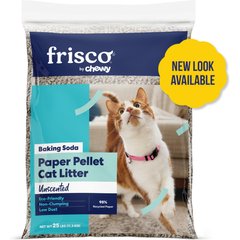
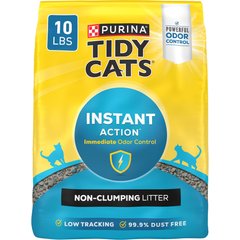
Common non-clumping cat litters include Frisco Unscented Non-Clumping Recycled Paper Litter and Tidy Cats Instant Action Non-Clumping Clay Litter.
Recommended Products
Pros of Non-Clumping Cat Litter
When comparing clumping vs. non-clumping cat litter, non-clumping options have their own benefits. Non-clumping litter is:
- Often lower cost: Traditional non-clumping clay litter is usually budget-friendly.
- Lighter: Some non-clay, non-clumping options, like paper or wood litters, may weigh less than clumping clay litter.
- Good for kittens: Non-clumping litter is commonly recommended for very young kittens to reduce the risk of intestinal blockage.
- Less risk of clumps sticking: Because it doesn’t form hard clumps, non-clumping litter may stick less to the litter box, making cleaning easier.
Considerations for Non-Clumping Cat Litter
There are trade-offs with non-clumping kitty litter, too.
- It needs frequent deep cleaning: Because urine spreads through the litter, you’ll need to replace the entire box more often.
- Odors can build up: If not changed regularly, litter box smells can become stronger.
- It’s less efficient: You typically discard more litter at once, so you’ll need to buy litter more often.
For busy households, this extra maintenance can make non-clumping litter less convenient.
Do Vets Recommend Clumping or Non-Clumping Litter?
There isn’t a one-size-fits-all answer. Really, the best litter is whichever one your cat reliably uses.
Cats can be sensitive to texture and smell, and they may prefer one type of litter over another. Ask your vet what they recommend and always let them know if your cat is avoiding the litter box—they might just be picky, but avoidance could also be a sign of a medical issue.
In general, clumping litter can be a good choice for:
- Adult cats with no history of eating litter
- Multi-cat households where daily scooping helps control odor
- Pet parents who want easier cleanup and longer-lasting litter
Non-clumping litter might be better for:
- Kittens under 4 months old
- Cats who have a history of eating litter
- Pet parents who prefer lightweight, crystal, or paper-based litter types
Ultimately, the clumping vs. non-clumping cat litter decision comes down to your cat’s age, health, and personal preferences—along with what fits your home and routine. When in doubt, your veterinarian can help you choose the safest and most appropriate option for your cat.
FAQs About Clumping vs. Non-Clumping Litter
Is clumping litter safe for cats?
Yes, clumping litter is safe for healthy adult cats. However, non-clumping litter is better suited for very young kittens to reduce the risk of ingestion.
Is non-clumping litter better for odor?
Non-clumping litter can help control odor, but it usually requires more frequent full-box changes. Clumping litter often makes odor control easier with daily scooping.
Can I switch between litter types?
Yes, but switch gradually. Cats can be finicky about their litter, so mix the new litter with the old over several days to help your cat adjust. If your cat has any urinary, behavioral, or other medical issues, check with your vet before changing the litter, as it can make things worse.
What if my cat refuses a new litter?
If your cat doesn’t like the new litter, try introducing it slowly or offering two boxes with different litter types. If they still refuse to use the new litter, talk with your veterinarian to rule out medical issues.
Attributions
This article was created with assistance from AI tools. The content has been reviewed for accuracy and edited by a veterinarian.