How Much Cat Litter Should I Use?


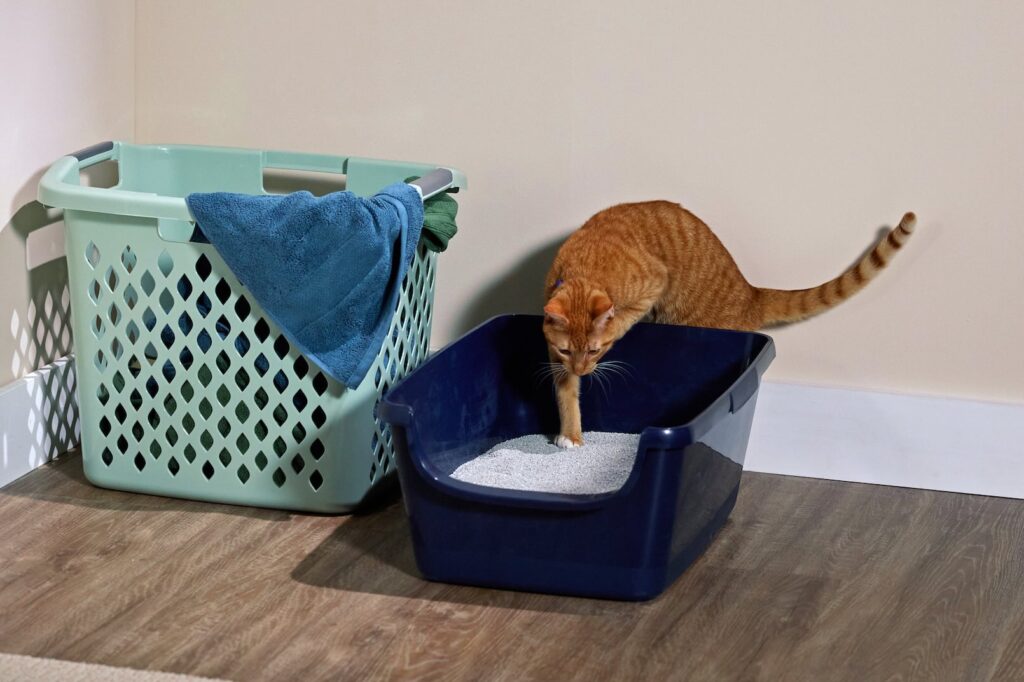
Photo by Chewy
When you’re filling the litter box, most cats do best with 2–3 inches of litter spread evenly across the bottom. That depth gives your cat enough material to dig in and cover waste while helping control odor and moisture.
Key Takeaways
- Most litter boxes should have 2–3 inches of cat litter.
- Too little litter can lead to odor, sticking, and box avoidance.
- Too much litter may cause tracking and waste.
- Self-cleaning boxes often have specific fill lines to follow.
- Top off litter regularly after scooping to maintain proper depth.
How Much Litter To Put in a Litter Box
For most cats and litter types, a depth of 2–3 inches is ideal. Cats have strong instincts to bury their waste, and providing enough litter supports that natural behavior.
Providing 2–3 inches of cat litter offers other benefits, too, including:
- Absorbing urine effectively; if the layer is too thin, urine can pool at the bottom of the box, leading to odor buildup and stuck-on messes
- Allowing clumping litter to form solid clumps
- Helping reduce odors
In most cases, the recommended litter depth of 2–3 inches remains consistent. But a few factors might make a difference, such as:
- Type of litter: Clumping clay litter typically works best at about 2–3 inches. Lightweight or crystal litters may require slightly different depths, so always check the manufacturer’s instructions.
Recommended Products

- Type of litter box: High-sided or extra-large boxes may need a bit more litter to maintain a consistent depth across the surface.
- Age of the cat: Kittens may do well with slightly less litter at first, especially if they’re very small.
What if the Litter Box Doesn’t Have Enough Litter?
If there isn’t enough litter in the box, urine can soak through to the bottom, creating strong odors and making cleaning more difficult. This can also cause clumps to stick to the bottom of the litter box.
And if your cat can’t dig or cover their waste properly, or if the box isn’t kept clean, they may start avoiding the litter box altogether.
Can You Put Too Much Litter in a Litter Box?
Yes, it’s possible to overfill a litter box. If you add more than about 4 inches, your cat may sink too deeply into the litter. This can make digging awkward and messy.
Extra litter can also increase tracking, meaning more granules will be scattered around your home. If you notice excessive tracking (like lots of litter on the floor around the box), try reducing the level slightly while staying close to the 2–3 inch range.
How Much Litter Should You Put in a Self-Cleaning Litter Box?
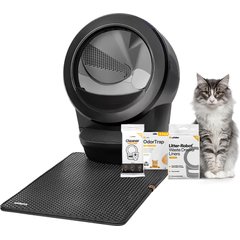
Self-cleaning litter boxes, such as a Whisker Litter-Robot, have a fill line inside that marks the ideal litter depth. It’s important to follow this guidance carefully to ensure your unit cycles properly.
Recommended Product
When in doubt, stick to the fill line and check the manual for your specific model.
How Often Should You Add Litter to a Litter Box?
To keep the right amount of litter in the box, you’ll need to top it off regularly.
In general, it’s a good idea to clean the litter box by:
- Scooping waste at least once daily
- Adding small amounts of fresh litter after scooping to maintain a depth of 2–3 inches
- Fully emptying and replacing the litter every couple of weeks, depending on the type of litter you use and the number of cats you have
You don’t necessarily need to top off every single time you scoop, but check the depth visually. If it looks shallow, add more.
FAQs About How Much Cat Litter To Put in a Litter Box
How do I measure 2–3 inches of litter?
You can use a ruler the first time you fill the box. After that, you’ll be able to estimate the depth more easily.
Is more litter better for odor control?
Not necessarily. Regular scooping plays a bigger role in odor control.
Should kittens have the same amount of litter?
Very young kittens may start with slightly less litter during litter box training. Once they’re confidently using the box, 2–3 inches works well.
Does litter type change how much I should use?
Sometimes. Always check the package instructions, especially for crystal or specialty litters.
Attributions
This article was created with assistance from AI tools. The content has been reviewed for accuracy and edited by a veterinarian.