What Is Cat Litter Made Of?


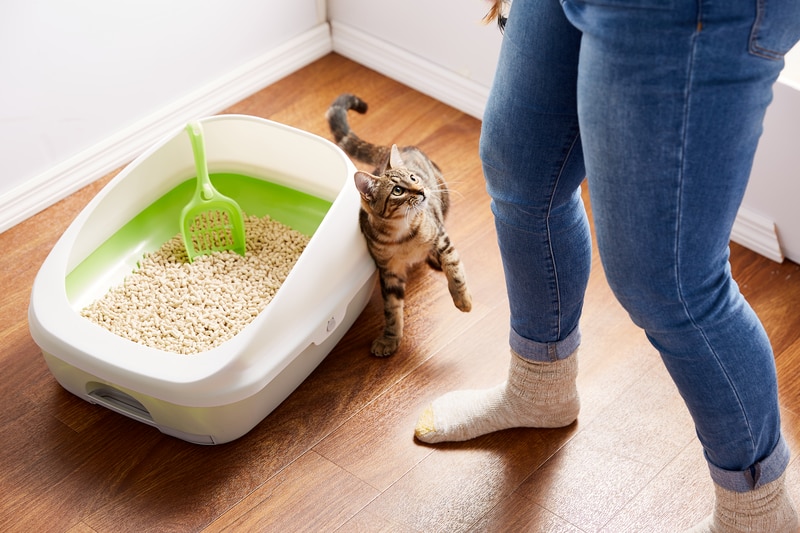
Photo by Chewy
Picking the right litter matters for your cat’s comfort and your home’s odor control. This guide explains what cat litter is made from, how each type works, and simple tips to help you choose what fits your cat and household.
Key Takeaways
- Cat litter is made from clay, silica gel, or biodegradable materials like grains, wood, or paper. Each type manages moisture and odors differently.
- Clay (often bentonite) clumps when wet, making scooping easier; non‑clumping clay absorbs but doesn’t form clumps.
- Silica gel litter traps moisture and odors in tiny pores, offering low dust and long‑lasting use for some homes.
- Plant‑based litters (corn, wheat, wood, paper) are lighter and often produce less dust.
- Choose litter based on your cat’s needs (odor control, dust, scent sensitivity) and your home’s priorities. When in doubt, ask your veterinarian.
What Is Cat Litter Made From?
Cat litter isn’t one-size-fits-all. Most products use clay, silica gel, or plant-based fibers. Knowing the base material helps you predict clumping, dust, tracking, and odor control so you can match the box to your cat’s preferences.
Primary materials to making cat litter include:
Clay Cat Litter (Bentonite and Other Clays)
Clay cat litter falls into two categories:
- Clumping clay (usually sodium bentonite): This type of clay swells and forms firm clumps when wet, so pet parents can scoop urine and stool daily. It’s good for odor control and convenience.
- Non‑clumping clay: This cat litter absorbs moisture without clumping. While it’s often a budget-friendly option, non-clumping clay means the whole litter box needs to be deep-cleaned more often.
Common clumping clay litters include Dr. Elsey’s R&R Stress-Reducing Clumping Clay Litter.
Recommended Product
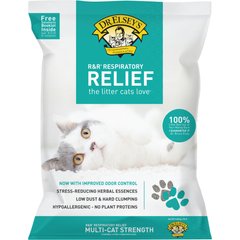
Cat litter made from clay can be heavier than other litter types. Dust levels vary by brand; look for “low‑dust” if anyone in your home is sensitive to dust allergies.
Silica Gel Litter
Sicilia gel litter, also referred to as crystal cat litter, is made from porous silica beads or granules that pull moisture into tiny pores. Sicilia gel litter is typically lightweight, low-tracking and low-dust, and is ideal for a single-cat home because it is long-lasting and low- maintenance, often only needing to be changed once a week.
Some of these silica gel litters, such as PrettyLitter Scented Cat Litter, can even help you track your cat’s urine pH, which is helpful for cats with urinary issues.
Recommended Product
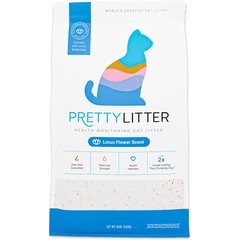
Keep in mind that some crystal litter products include fragrance; so choose an unscented one if your cat is scent‑sensitive.
Biodegradable/Plant‑Based Litters
Eco-friendly cat litters include:
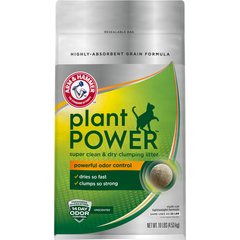
- Grain‑based: Corn, wheat, or similar materials form litter that can absorb liquid and clump. Grain-based litters are lighter than clay, and some cats prefer the softer texture.
Recommended Product
- Wood: Pellets or granules (e.g., pine) naturally help with odors for some homes; pellets may break down into sawdust as they absorb.
Recommended Product

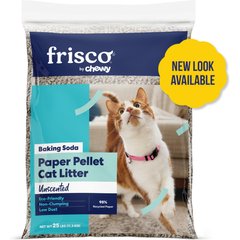
- Paper: Recycled paper pellets are soft and typically low‑dust; this is a common choice for cats after surgery or those with respiratory sensitivity.
Recommended Product
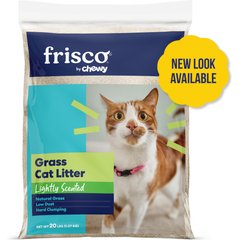
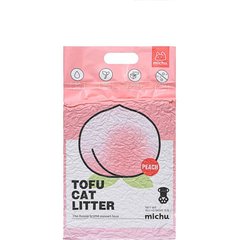
- Other materials: You may see grass, walnut shells, or tofu‑style litters. Performance varies—try small bags first to see what your cat prefers.
Recommended Products
Reminder: Always follow the manufacturer’s directions for use and disposal. If you have a specific health or odor concern, talk with your veterinarian for personalized guidance.
How Is Cat Litter Made?
Behind every bag is a straightforward manufacturing process. Whether the litter begins as mined clay, a silica gel bead, or a plant fiber, each step is designed to absorb moisture and manage odors while staying safe and comfortable for paws.
When it comes to how cat litter is made, products will differ by material, but here’s a simple overview:
Clay‑Based Litter
- Sourcing: Clay (often bentonite) is mined and transported to a plant.
- Processing: The clay is dried, crushed, and screened into uniform granules.
- Formulating: For clumping clay, the natural swelling of bentonite creates clumps on contact with moisture. Some products add dust‑control agents, odor absorbers, or fragrance.
- Packaging: Granules are bagged or boxed and labeled with directions for use.
Silica Gel (Crystal) Litter
- Base mixture: Sodium silicate solution is processed to make porous silica gel.
- Forming: The gel is dried into beads or crystals and sized.
- Finishing: Color‑change indicators or odor‑control components may be added.
- Packaging: Beads are sealed to keep them dry until use.
Plant‑Based / Biodegradable Litters
- Raw materials: Corn, wheat, wood, paper, or other fibers are used.
- Preparation: Materials are cleaned, ground, pulped, or flaked.
- Forming: They are then pelleted, extruded, or pressed into granules/pellets.
- Drying and finishing: They’re dried for stability; some brands add odor‑control ingredients.
- Packaging: The litter is bagged and labeled with specific instructions.
Choosing the Right Cat Litter for Your Cat
There’s no single “best” litter—what’s best for you depends on the litter your cat will reliably use and that you can maintain. If you’re unsure, ask your veterinarian which features matter most for your cat’s health and lifestyle.
When choosing cat litter, consider:
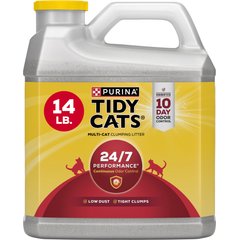
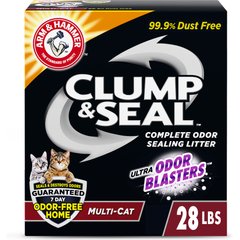
- Odor control: Clumping clay and some silica gel litters excel here. Scented cat litters can also help mask smells. Plant‑based options can perform well, but results vary by brand. And remember: No litter box will be odor-free if you don’t stick to a cleaning routine.
Recommended Products
- Dust and tracking: Look for low‑dust and low-tracking options. Pellets (paper or wood) may track less than clay litter, but because it feels different under paws, cats may not like it.
- Texture and paw feel: Fine granules can be comfy, though some cats prefer larger pellets. If your cat avoids the box, litter texture might be the reason.
- Scent: Unscented is often safest for sensitive cats and pet parents. If you try scented cat litter, introduce it slowly.
- Weight and storage: Clay can be heavy; plant‑based or silica gel is often lighter.
- Cost and availability: Consider how often you’ll scoop and fully change the litter—this affects total monthly cost. The litterbox should be scooped once or twice daily and fully changed and cleaned every two to four weeks.
When transitioning your cat to a new litter, go slowly. It’s important to always follow directions on the package and keep track of any behavior changes in your cat during the transition.
Cats are very much creatures of habit, and when things change (or change too quickly) they can start to develop unwanted or destructive behaviors like urinating outside the litter box or chewing on the curtains. When in doubt, reach out to your vet for guidance.
FAQs About What Cat Litter Is Made Of
What is the main ingredient in cat litter?
Many clay litters use bentonite clay. Other common bases are silica gel or plant materials like corn, wheat, wood, or paper.
Is cat litter environmentally friendly?
It depends on the material and how the cat litter is disposed. Plant‑based litters use renewable materials, while clay is mined.
How can you make cat litter at home?
DIY litters (like shredded paper pellets) can work short‑term, but they may not control odor or moisture as well. For routine use, choose a commercial litter and follow the label.
How likely can a cat get toxoplasmosis from cat litter?
Cats can shed Toxoplasma gondii in their stool, a parasite found in cat feces that can spread to people if accidentally ingested. The parasite can be present in litter boxes. Good hygiene (daily scooping and hand‑washing afterward) helps reduce risk. Speak with your veterinarian if you have pregnancy or immune‑system concerns.
Attributions
This article was created with assistance from AI tools. The content has been reviewed for accuracy and edited by a veterinarian.