Is Cat Litter Biodegradable?


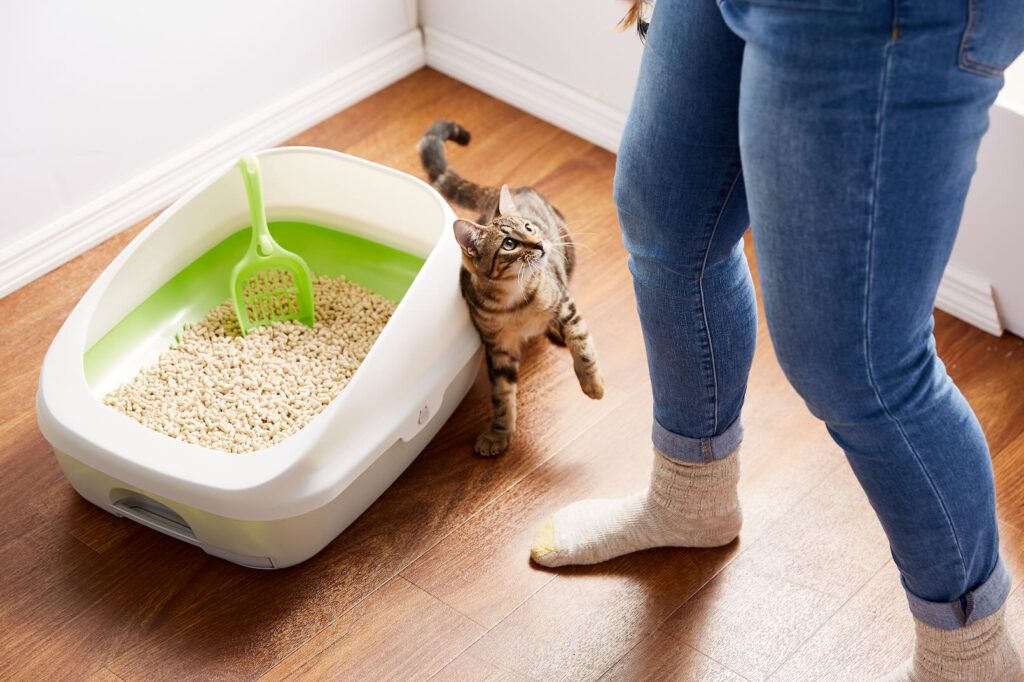
Photo by Chewy
If you’re trying to make greener choices for your cat’s care routine, you’ve probably wondered: Is cat litter biodegradable? Some types are, but some aren’t.
Biodegradable cat litter made from plant-based materials can break down naturally over time. But traditional clay and crystal litter don’t decompose easily.
In this guide, you’ll learn about eco-friendly cat litter options, how to handle cat litter disposal responsibly, and what to look for when shopping for biodegradable kitty litter.
Key Takeaways
- Not all cat litter is biodegradable; clay and silica litters do not break down naturally.
- Plant-based cat litter made from corn, wheat, wood, or paper is typically biodegradable.
- Compostable cat litter must be disposed of properly and never used on edible gardens.
- The best eco-friendly cat litter depends on your cat’s preferences and your disposal options.
Is Kitty Litter Biodegradable?
It depends on what the cat litter is made of.
Common types of cat litter include clay, silica gel crystals, and plant-based materials. Each one breaks down differently in the environment.
Clay Cat Litter
Most traditional litter is made from sodium bentonite clay. Clay cat litter does not biodegrade, meaning it doesn’t naturally break down over time. When you throw clay litter away, it typically ends up in a landfill, where it can sit for years without decomposing.
Silica Gel or Crystal Litter
Crystal cat litter is made from silica gel. While it’s lightweight and highly absorbent, it’s also not biodegradable. Like clay, it won’t naturally break down in a landfill.
Plant-Based Cat Litter
Plant-based cat litter is usually made from renewable materials such as:
These materials are typically biodegradable and, in some cases, even compostable. If you’re specifically looking for biodegradable kitty litter, plant-based products are your best bet.
What Is the Best Eco-Friendly Cat Litter?
The best eco-friendly cat litter is one that’s biodegradable, sourced from renewable materials, and—above all—works well for your cat. Here’s a breakdown of common biodegradable cat litter options:
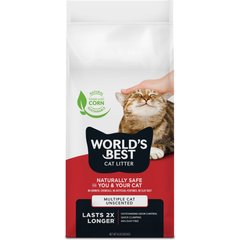
- Corn cat litter, like World’s Best Unscented Cat Litter, forms clumps and offers good odor control while being biodegradable.
Recommended Product
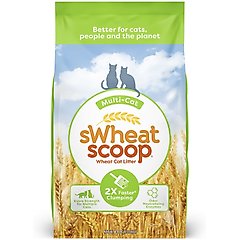
- Wheat cat litter, like Wheat Scoop Natural Clumping Cat Litter, uses natural starches to form clumps. This litter can also be flushable for easy disposal (but check your local plumbing guidelines first).
Recommended Product
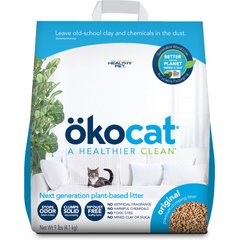
- Wood cat litter is typically made from sawdust or reclaimed lumber, and it may come in pellet or clumping form. Okocat Premium Wood Cat Litter is a popular clumping option.
Recommended Product
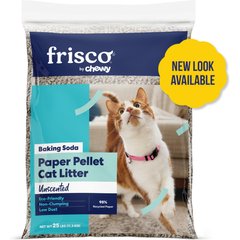
- Paper cat litter is made from recycled paper, making it an environmentally friendly option. But there is a trade-off: Paper litters, including the Frisco Unscented Recycled Paper Litter, do not clump. If clumping is important to you, choose a different type of cat litter.
Recommended Product
Comparison of Cat Litter Materials
| Material | Biodegradable | Compostable | Clumping | Environmental Impact |
|---|---|---|---|---|
| Clay | No | No | Yes | High |
| Silica/Crystal | No | No | No | Moderate to high |
| Corn | Yes | Yes* | Yes | Renewable resource |
| Wheat | Yes | Yes* | Yes | Renewable resource |
| Wood | Yes | Yes* | Some | Often reclaimed material |
| Recycled Paper | Yes | Sometimes | Rarely | Uses recycled content |
*Composting must be done properly and never used on edible gardens.
When choosing biodegradable cat litter, make sure your cat likes the texture and that it controls odor well. Even the most eco-friendly cat litter won’t work if your cat refuses to use it.
Eco-Friendly Ways to Dispose of Cat Litter
Your disposal method also plays a big role in how environmentally friendly your cat litter really is.
Throwing Away Clay Litter
The most common way to dispose of clay litter is to scoop it into a bag and throw it in the trash. Putting litter into a garbage bag is the go-to method for disposing of clay and crystal litters. But because this type of litter is not biodegradable, it remains in landfills for a very long time.
Composting Biodegradable Cat Litter
If you’re using compostable cat litter made from plant-based materials, you might be able to compost it—but with important safety rules.
- Do not compost cat litter or other waste from meat-eating animals at home. Typical backyard compost may not get hot enough to kill the germs and parasites, such as Toxoplasma gondii, that can live in cat poop.
- Never compost cat waste or litter on vegetable or herb gardens.
- You must place pet waste compost far from water sources.
- Always follow local composting regulations.
If you want to compost your cat litter, ask your local waste management or environmental agency if they offer special high-heat compost options for your pet’s waste.
Flushing Cat Litter
Some biodegradable kitty litter brands advertise that they’re flushable. And while it’s true that you can flush them, many municipalities discourage flushing pet waste because flushing cat litter can introduce parasites into waterways and may clog plumbing systems.
Always check local guidelines before flushing any litter.
Ultimately, the most responsible approach to cat litter disposal is to choose a biodegradable cat litter and follow safe, local waste and composting rules.
FAQs About Biodegradable Cat Litter
How long does cat litter take to decompose?
It depends on the material. Clay and silica litter do not break down naturally and can remain in landfills for years. Plant-based cat litter, such as corn, wheat, wood, or paper, can decompose in months under proper composting conditions.
What’s the best way to dispose of cat litter?
At the end of the day, the best option for disposing of cat litter, no matter the material, is to throw it away. But you can compost or flush it if you follow safety protocols and local regulations.
How often should you clean the litter box?
Most veterinarians recommend scooping the litter box at least once daily and fully changing litter regularly, depending on the type you use.
Attributions
This article was created with assistance from AI tools. The content has been reviewed for accuracy and edited by a veterinarian.