How To Dispose of Cat Litter: Safe Options for Your Home and the Environment


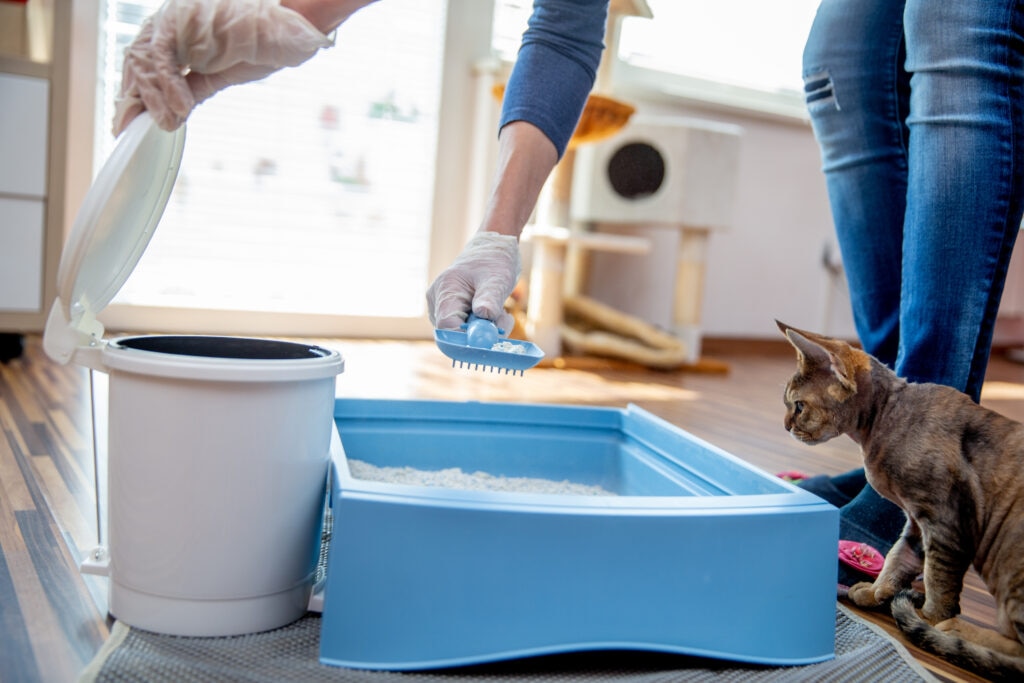
Photo by CasarsaGuru/E+ via Getty Images
Litter is part of daily life with a cat, and how you handle used litter matters. Learning how to dispose of cat litter properly helps protect your family, your plumbing, and the environment.
Below, we’ll share simple and safe options for how to best dispose of cat litter and what to avoid.
Key Takeaways
- The safest cat litter disposal method is to seal used litter in a bag and put it in the trash.
- Cat feces can carry germs like Toxoplasma gondii, so always wash your hands after scooping.
- Flushing cat litter or cat poop is not recommended and may even be illegal where you live.
- Do not dump used cat litter outside, in the woods, or in storm drains.
- Home composting of cat waste is risky for most families; check with local waste experts before trying it.
How Should You Dispose of Cat Litter?
For most homes, the trash is the best and safest option for how to dispose of cat litter waste. Here are some quick guidelines:
- Scoop daily: Scoop clumps and poop at least once a day so waste doesn’t build up.
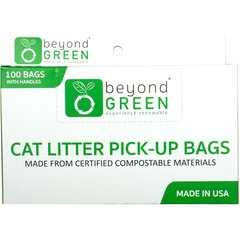
- Use a sturdy bag: Place used litter in a small trash or cat litter waste bag. Use regular or approved compostable bags as allowed by local rules.
- Tie the bag tightly: Push out extra air and tie a tight knot. Double bag if odor is a problem.
- Move it to an outdoor bin: Put the bag in a secure outdoor trash can with a lid to keep out pests and reduce smells.
- Wash your hands: Cat feces can carry parasites such as Toxoplasma gondii, which can make some people sick, including pregnant people and those with weak immune systems. Always wash your hands thoroughly after cleaning the litter box.
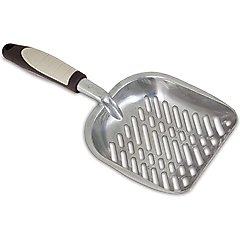
When disposing of cat litter, always use a litter scoop and waste bags to make the process as tidy and clean as possible.
Recommended Products
Using Litter Disposal Systems or Indoor Bins
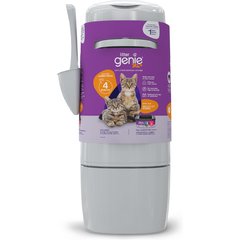
Special litter disposal pails, like the Litter Genie Cat Litter Disposal System, or small indoor bins can help control odor but do not change where the litter ends up.
Recommended Products
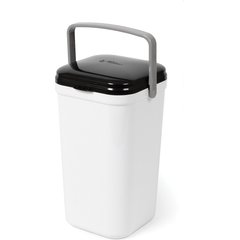
When using a litter disposal bin:
- Line the pail or bin with a strong bag.
- Scoop used litter directly into the container.
- Close the lid after each use.
- When the bag is nearly full, tie it tightly and carry it to your outdoor trash bin.
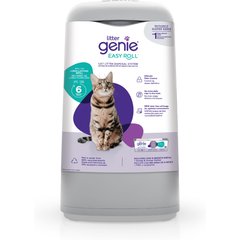
Consider a cat litter disposal pail like the Litter Genie Easy Roll Pail Cat Litter Disposal which includes the pail, litter scoop, and bags.
Recommended Product
Can You Flush Cat Litter or Cat Poop?
In most cases, the answer is no. Flushing cat litter is usually not recommended because:
- Cat feces can carry parasites and other germs that may survive some sewage treatments and reach rivers or oceans. These germs can be harmful to people and wildlife.
- Many litters, especially clay and clumping types, can clog pipes or damage septic systems.
- Some local sewer agencies and rules clearly say not to flush pet waste.
If you are thinking about flushing your cat waste:
- Read the litter package carefully. Only some biodegradable cat litters are labeled as flushable, and even those often have strict limits.
- Check your city or county sewer or septic guidelines.
- When in doubt, do not flush. Use the trash instead.
Can You Compost Cat Litter?
Some litters are made from paper, wood, corn, or other plant materials. It may seem eco-friendly to compost these, but cat waste comes with safety concerns.
- Waste from meat-eating animals, including cats, is usually not recommended for home compost piles. Typical backyard compost may not get hot enough to kill parasites and germs.
- Compost that contains cat waste should never be used on vegetable or herb gardens.
- Any pet waste compost area should be far from play spaces and water sources.
If you want lower waste or greener options, ask your local waste or environmental agency whether they offer special high heat compost or digester systems for pet waste.
For most families, especially if someone is pregnant, very young, elderly, or immunocompromised, using the trash is safer than trying to compost cat litter at home.
Can You Dump Cat Litter Outside?
Dumping used cat litter outside may feel “natural,” but it can be unsafe.
- Pet waste can wash into storm drains and then into streams, rivers, and lakes. This adds germs and extra nutrients to the water.
- Cat feces that contain parasites can stay in soil or sand for a long time and may infect people and other animals.
- Some communities treat dumping pet waste outside as littering or a sanitation issue.
Instead of dumping, always scoop, bag, and place used litter in a closed trash bin.
When To Talk To Your Veterinarian or Local Experts
If your cat has diarrhea, parasites, or other health concerns, ask your veterinarian if you need extra safety steps when handling the litter box. If anyone in your home is pregnant or has a weak immune system, your veterinary team can help plan a safe litter box routine. When in doubt, wearing a pair of latex gloves when cleaning out the litter box provides extra protection.
Recommended Product
For questions about local rules, trash services, composting, or septic systems, contact your city or county waste department or environmental agency. They can give you the most accurate advice for how to dispose of cat litter where you live.
FAQs About Cat Litter Disposal
Can you flush cat litter?
In most homes, you shouldn’t flush cat litter, even if it is labeled flushable. Parasites from cat feces may survive some treatment systems, and many litters can clog pipes or damage septic systems.
Can you flush cat poop?
It’s usually safer not to flush cat poop. Cat feces may carry parasites and other germs that can harm people, wildlife, and the environment if they reach natural water sources.
Where is the best place to dispose of cat litter?
For most pet parents, the best place is a sealed bag in a closed outdoor trash bin that’s collected by your regular waste service. This helps keep germs out of soil and water and provides the best sanitation measures.
Is cat litter biodegradable?
Some litters made from paper, wood, or plants are biodegradable, but that doesn’t mean they are safe to flush or home compost when soiled with feces. Always follow the disposal directions on the package and check local rules.
Is it illegal to dump cat litter outside?
Laws vary, but dumping cat litter outside may break local rules about littering or waste. Even if it’s not clearly listed in law, it is still unsafe for people, pets, and wildlife, and should be avoided.
Attributions
This article was created with assistance from AI tools. The content has been reviewed for accuracy and edited by a veterinarian.