7 Signs Your Cat Is Cold


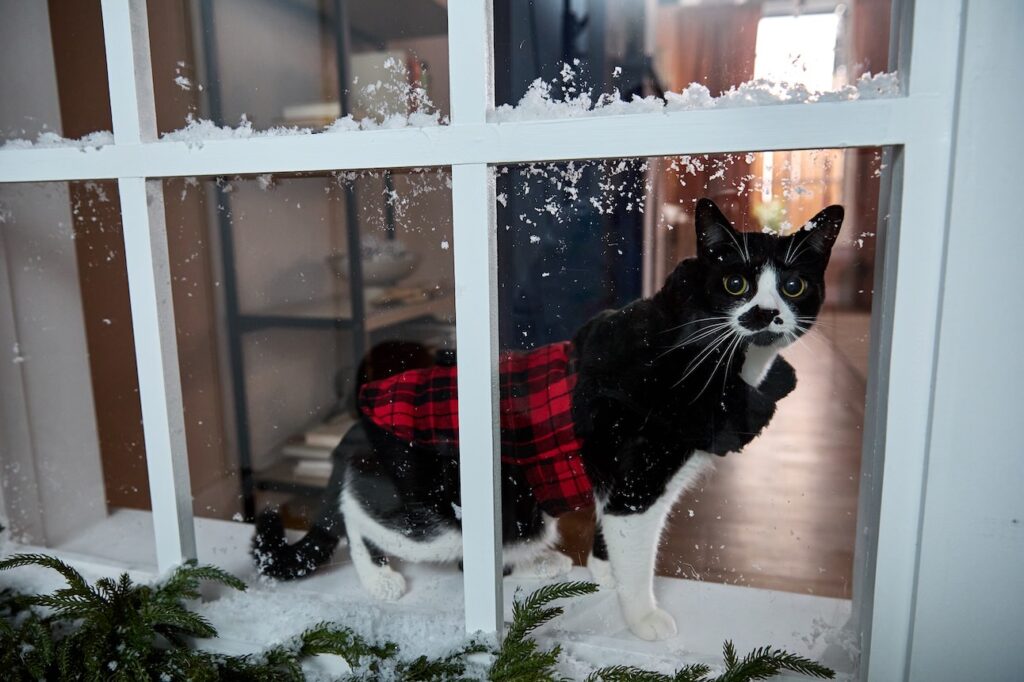
Photo by Chewy
Cats may look cozy in their fur coats, but they can still feel the cold—sometimes more than pet parents realize. While many cats prefer warm environments, exposure to chilly temperatures can make them uncomfortable or even lead to serious health concerns.
Knowing how to tell when your cat is cold can help you step in early and keep them safe. From subtle behavior changes to more serious warning signs, here’s what pet parents should know and how to respond.
Key Takeaways
- Cats can feel cold even indoors, especially seniors, kittens, and cats with health conditions.
- Early signs of being cold are often behavioral, while severe signs may indicate hypothermia.
- Shivering, slow breathing, or lethargy can be a sign of hypothermia from prolonged cold exposure.
- Keeping cats warm involves providing safe heating options, grooming, and limiting exposure to the cold.

How Do I Know If My Cat Is Cold?
Each cat responds to cold temperatures a little differently. Some signs are mild and easy to miss, while others can signal a serious problem.
1. They’re Seeking Warm Spots
This is usually an early sign your cat is cold. Cats naturally look for warmth, so you may notice them lounging near heaters, sunny windows, electronics, or cuddling with you more than usual.
Cats do this to conserve body heat and maintain a comfortable temperature. And while heat-seeking behavior alone isn’t a medical emergency, it is a sign your home may be too chilly for them. So, make sure your cat has access to warm, draft-free resting areas and cozy cat beds.
Recommended Products

If your cat suddenly starts spending much more time seeking out heat sources than what’s typical, talk about the behavior change with your veterinarian.
2. They’re Curled Into a Tight Ball
A cat’s sleeping positions can actually tell us how they’re feeling, and curling tightly with paws tucked underneath is another early sign your cat is cold. This posture helps cats reduce heat loss by protecting their belly and extremities.
While common during naps, frequent tight curling—especially in colder rooms—can indicate discomfort rather than relaxation. Offer a soft blanket or move their bed to a warmer location.
Recommended Product
3. They’re Hiding Under Blankets and Covered Spaces
Along with seeking out sunspots or heat sources, cats might also try to warm up by:
- Burrowing under blankets
- Curling up in a covered cat bed
Recommended Product
- Lying in a cardboard box
Recommended Products


This behavior isn’t dangerous on its own, but it can become risky if cats crawl into unsafe places like dryers or get too close to space heaters.
Give your cat safe, warm hideaways where they can find warmth, and always check appliances and enclosed spaces before use, especially in winter.
4. They’re Shivering
Shivering is a more serious sign and can indicate your cat is struggling to maintain their body temperature. This can happen with prolonged exposure to cold or in cats who are sick, very young, or very old.
Shivering may be a sign of hypothermia in cats, which is a medical emergency. Call your vet right away if they begin to shiver—they’ll tell you what to do.
5. They Are Cold To the Touch
A cat’s normal body temperature is higher than humans’, resting between 100 and 102.5 F. If your cat feels cold when you touch them, this can be a warning sign of hypothermia.
Keep your cat warm and take them to the veterinarian, especially if other symptoms are present.
6. They’re Breathing Slowly
Slow or shallow breathing can be a sign of advanced hypothermia because, as body temperature drops, a cat’s systems begin to slow down. This is also a medical emergency, so take your cat to the vet right away.
7. They’re Lethargic
Cold cats may become unusually tired, weak, or less responsive. This lethargy in cats can be a sign they’re too cold. If the lethargy doesn’t improve or is paired with other symptoms, contact your veterinarian.
How To Warm Up a Cat
Keeping your cat warm during colder months doesn’t have to be complicated.
- Maintain a comfortable indoor temperature. Many cats prefer rooms that feel slightly warmer than what humans enjoy, around 68–75 F.
- Offer cozy bedding. Soft blankets, insulated beds, and heated cat beds designed for pets can help.
Recommended Products


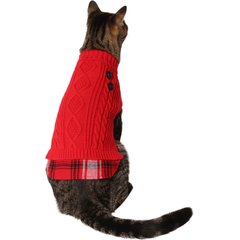
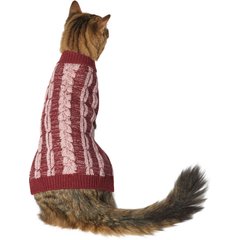
- Consider cat sweaters. Some cats tolerate sweaters well, especially short-haired, senior, or hairless cats.
Recommended Products

- Limit cold exposure. Cats should never be allowed outside unsupervised, especially in cold weather. Low temperatures increase the risk of hypothermia and frostbite.
- Don’t overlook grooming. A healthy coat helps regulate body temperature. Regular brushing with a cat brush or comb removes mats that can interfere with insulation.
Recommended Products



Always talk with your veterinarian if you’re unsure what’s best for your cat.
FAQs About Cats and Cold Weather
Should I put a blanket on my cat?
Yes, many cats appreciate blankets, especially in cooler environments. But follow basic blanket safety tips, like always letting your cat move freely and avoiding heavy coverings that could trap them.
At which temperature do cats feel cold?
Many healthy adult cats begin to feel cold when temperatures drop below about 45 F, though some cats may feel uncomfortable at higher temperatures.
What do cats look like when they’re cold?
Cold cats may curl up tightly and seek warm spots. More serious signs a cat is cold include shivering, breathing too slowly, and lethargy.
Are cat ears cold if they are cold?
Yes, cold ears can be a sign your cat is chilly, but ear temperature alone isn’t always reliable. Look for other signs as well.
What room temperature do cats prefer?
Most cats prefer indoor temperatures that range from about 68–75 F, though individual preferences can vary.
Attributions
This article was created with assistance from AI tools. The content has been reviewed for accuracy and edited by a veterinarian.