Lysine Supplements for Cats: Uses, Safety, and What Pet Parents Should Know


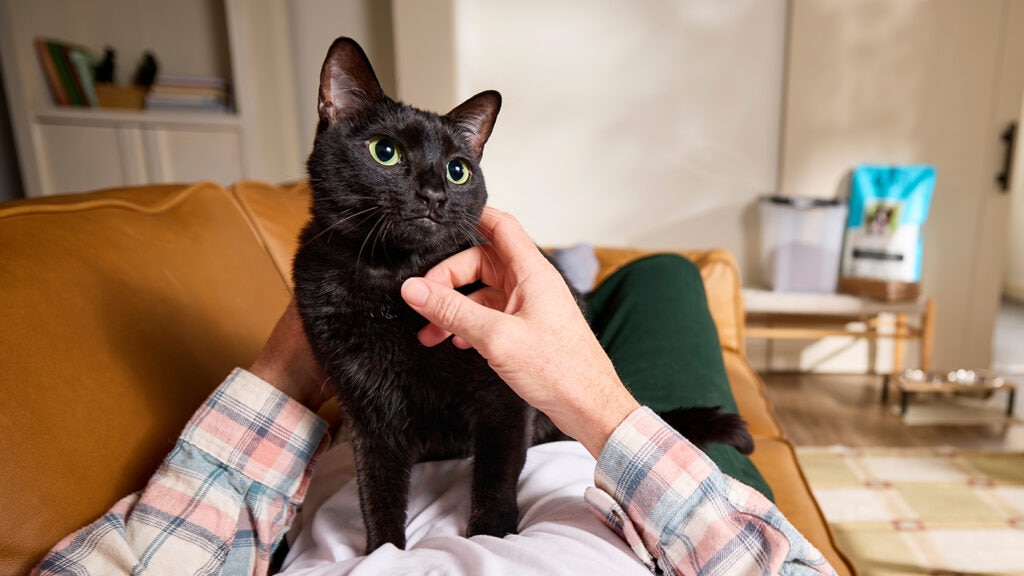
Photo by Chewy
Lysine supplements for cats are products that provide extra L-lysine, an essential amino acid cats need for normal growth, tissue repair, and immune function.
While complete and balanced cat foods already contain all the lysine a healthy cat needs, supplements are sometimes considered in specific medical situations under veterinary guidance—most notably forcats with feline herpesvirus (FHV-1). However, recent studies suggest lysine may not work in cats as previously hoped and could potentially pose health risks in some cases.
Here’s what pet parents should know about how lysine works, when it may be used, and whether it’s the right choice for their cat.
Speak with your veterinarian before giving your cat supplements.
Key Takeaways
- Lysine supplements for cats add extra lysine, an essential amino acid that helps support normal immune function.
- Kittens and cats must get lysine from their diet because their bodies can’t make it on their own.
- Recent research on lysine supplements in cats shows that lysine is not helpful in cats with herpesvirus and can be harmful.
- Speak with your veterinarian about whether a lysine supplement would be appropriate for your cat.
What Are Lysine Supplements for Cats?
Lysine supplements for cats contain L-lysine, an essential amino acid cats need to stay healthy. Amino acids are the building blocks of proteins that help the body build and maintain muscle, support normal immune function, and repair tissues.
Because cats can’t make lysine on their own, they get the lysine they need from their food.
The good news is that nutritionally complete and balanced cat foods compliant with the standards set by the Association of American Feed Control Officials (AAFCO) already provide all the lysine a healthy cat needs.
Supplements add extra lysine on top of what’s in the diet, which is why they’re not part of everyday nutrition for most cats.
Adding a supplement isn’t automatically helpful and may or may not be appropriate, depending on the individual cat and their health needs.
What Does Lysine Do in a Cat’s Body?
Lysine helps support several normal functions in a cat’s body:
- Supports protein building: Lysine helps a cat’s body make proteins needed for muscle strength, hormones, enzymes, and immune cells—key parts of everyday health.
- Helps the body use other amino acids: When cats don’t get enough lysine, their bodies can have trouble using other amino acids properly.
- Plays a role in normal immune function: Lysine is involved in making proteins that immune cells rely on.
Can Lysine Help Cats with Upper Respiratory Issues?
In the past, vets recommended lysine supplements for cats affected with feline herpesvirus (FHV-1).
It was assumed that because lysine was thought to be a natural remedy to slow down herpesvirus replication in the body in people, lysine would potentially provide benefits for sick cats as well.
However, recent studies show that lysine may not work for cats in the same way as previously hoped and may potentially pose health risks to cats.
Benefits of Lysine Supplements for Cats
When used under veterinary guidance, lysine supplements for cats may offer a limited benefit, such as supporting normal amino acid balance in specific cases.
Every cat responds a little differently, and lysine supplements aren’t a cure. They’re best used as part of a bigger care plan guided by your veterinarian.
Cons and Potential Risks of Lysine Supplements for Cats
Lysine supplements for cats can have downsides, especially when used without veterinary guidance.
A potential risk includes amino acid imbalance. Too much lysine can throw off a cat’s amino acid balance—especially arginine, which cats need to stay healthy.
Because of this, lysine supplements should never be given casually.
Dosage of Lysine Supplements for Cats
Lysine supplement dosing varies based on a cat’s size, health status, diet, and reason for supplementation. There is no one-size-fits-all approach.
Before recommending lysine, veterinarians look at:
- Your cat’s overall health to decide whether a supplement makes sense
- How long to use it
- When to stop
Always follow your veterinarian’s advice when it comes to lysine supplement dosing.
Best Lysine Supplements for Cats
Choosing a lysine supplement for cats depends on formulation, quality, and veterinary recommendation.
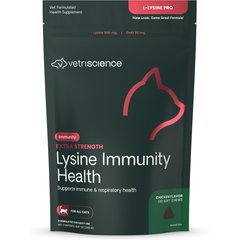
An example of a veterinarian-recommend product includes:
Recommended Product
When To Call Your Vet About Lysine Supplements
If you’ve been giving your cat a lysine supplement for herpesvirus infection and you notice them not improving, getting worse, or showing the following symptoms, contact your veterinarian:
- Sneezing
- Nasal congestion
- Eye discharge
- Squinting
- Eye pain (rubbing at the eyes)
- Decreased appetite
- Lethargy
FAQs About Lysine Supplements for Cats
What are lysine supplements used for in cats?
Veterinarians may use lysine supplements in specific cases to help support amino acid balance and normal immune function.
Is lysine essential for cats?
Yes, lysine is an essential amino acid that cats must get from their diet.
Does lysine cure feline herpesvirus?
No, lysine does not cure feline herpesvirus and is not a guaranteed way to prevent flare-ups.
Can cats get enough lysine from food alone?
Yes, most cats eating complete and balanced diets already meet their lysine needs.
Is lysine safe for long-term use in cats?
Only use lysine long-term under veterinary supervision.
How long should I give my cat lysine?
The best way to know how long to give your cat lysine is to speak with your vet. Your vet will know best if lysine is right for your cat and for how long you should give it.
Can lysine cause side effects in cats?
Side effects of lysine supplements include amino acid imbalances and worsening herpesvirus symptoms like sneezing, nasal congestion, eye discharge, and lethargy.
Do all cats need lysine supplements?
No, lysine supplementation is not necessary for most healthy cats.
Attributions
This article was created with assistance from AI tools. The content has been reviewed for accuracy and edited by a human.
This article is for educational purposes. The content is not recommending a treatment plan and should not take the place of advice by your veterinarian.