How Often Should You Change Your Cat’s Litter?


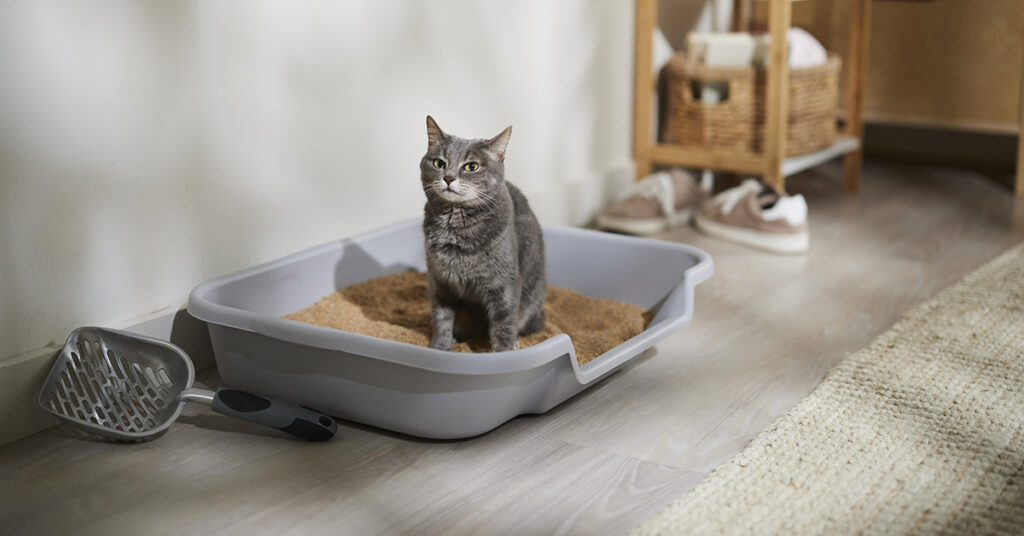
Photo by Chewy
Knowing how often you should change cat litter is one of the most important parts of keeping your cat healthy and your home smelling fresh.
A clean litter box encourages good bathroom habits, helps reduce odors, and lowers the risk of health issues for your cat, as well as everyone in the house.
This guide breaks down how often to scoop, when to fully replace litter, and the signs you need to change cat litter based on your cat’s needs.
Key Takeaways
- Most litter boxes should be scooped at least once daily, regardless of litter type.
- How often you fully change cat litter depends on the type of litter you use and how many cats share the box.
- Strong odors, lingering waste, or litter box avoidance are common signs you need to change cat litter.
- A consistent cat litter schedule helps keep cats comfortable and reduces mess and smell.
Why It’s Important To Change Your Cat’s Litter
Regular litter box care is about more than just smell. When you scoop your cat’s waste daily, you’re removing urine and stool that can harbor bacteria and strong odors. You’re also keeping your cat’s bathroom fresh and tidy.
Recommended Products
Going one step further by fully changing cat litter and deep cleaning the litter box on a routine schedule helps prevent buildup that daily scooping alone can’t remove.
If you don’t follow a consistent cat litter schedule, your cat may avoid the litter box altogether, which can lead to accidents around the home. Dirty litter boxes can also increase stress.
Clean litter boxes encourage your cat to use them and will help you keep tabs on your cat’s bathroom habits, which may help you catch health issues early.
Recommended Products
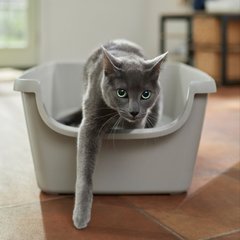
Dirty Litter Boxes Can Lead to Health Issues
Scooping your cat’s litter box daily helps to keep it clean but if you don’t regularly change the cat litter, it can lead to health issues for both humans and cats.
Parasites live in cat excrement, including roundworms and toxoplasmosis, which can pass from cat poop directly to humans. Additionally, cat scratch fever starts as a bacterial infection stemming from dirty cat litter and can then infect humans.
For cats, failure to routinely change cat litter can lead to health issues such as:
- Urinary tract infections
- Feline interstitial cystitis (FIC)
- Bladder stones and urine crystals
- Behavioral problems
These health issues can be painful and serious for your cat if not treated immediately. If you notice any signs such as straining to urinate, bloody urine, lethargy, or vomiting/decreased appetite, contact your vet immediately.
Signs You Need to Change Your Cat’s Litter
Even with regular scooping, there are clear signs you need to change cat litter completely. These signs may include:
- Persistent odors from the litter box that do not improve after scooping
- Litter that looks damp, dark, or broken down
- Waste sticking to the bottom or sides of the box
- Your cat scratches in the litter excessively
- Your cat refuses to use the box or peeing outside of the box
- Increased tracking or mess outside the litter box after usage
If you notice any of these signs, it’s important to change your cat’s litter as soon as possible. To avoid situations like this, get yourself on a regular litter change schedule to ensure a safe and clean environment for everyone.
How Often You Should Change Cat Litter
Not all cat litters are made the same, and how often you change cat litter depends mostly on the type of litter you use. But no matter what type of litter you use, you should still be scooping daily.
The following chart breaks down the typical frequency for changing cat litter based on type.
| Type of Litter | Scooping Frequency | Changing Frequency |
|---|---|---|
| Clumping clay litter | At least once daily | Every two to four weeks |
| Non-clumping clay litter | At least once daily | Every one to two weeks |
| Silica gel litter | At least once daily | About once per month |
| Plant-based litters | At least once daily | Every one to three weeks |
Recommended Products
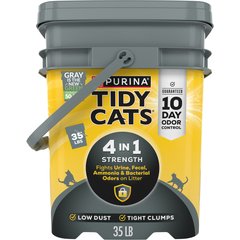
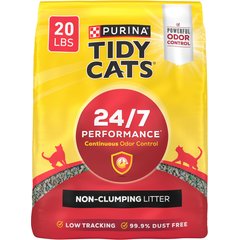


Keep in mind these are just general guidelines when it comes to how often you should your cat’s litter. Your cat’s habits and environment may require more frequent changes.
Other Factors To Consider
Several factors can affect how often you need to fully refresh the litter box:
- More than one cat using the same litter box (one box for every cat plus one extra one)
- Cats who urinate frequently
- Small litter boxes that fill up quickly
- Warm or humid environments
- Cats who dig aggressively or track litter easily
Pet parents with multiple cats may need to scoop more than once a day and change litter more often to keep boxes clean and inviting for their cats.
How To Change Your Cat’s Litter
When it’s time for a full litter change:
- Move your cat to another room so they aren’t startled.
- Dump all the old litter into trash bag and dispose of it properly (typically outside in a trash can).
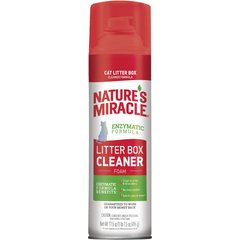
- Wash the litter box with mild soap and warm water or litter-specific cleaner.
Recommended Products

- Dry the box completely to prevent moisture buildup.
- Add fresh litter to the recommended depth within the litter box, usually two to three inches.
- Place the box back in its usual location, and you’re all set.
Ensuring your cat’s litter is scooped daily and completely changed on a regular schedule is how you keep them healthy and happy. If you have any questions related to your cat’s litter box behavior
FAQs About How Often To Change Cat Litter
How often should you fully change cat litter?
It depends. Most cat litter should be fully changed every one to four weeks, depending on the type of litter and how many cats use the box.
Can you put new litter on top of old litter?
Topping off litter is fine between full changes, but it should not replace dumping and cleaning the box on a regular schedule.
What happens if you do not change cat litter?
If litter is not changed, cats may avoid the box, odors can build up, and bacteria may increase, which can affect your cat’s health.
Attributions
This article was created with assistance from AI tools. The content has been reviewed for accuracy by a veterinarian.