What Is Fading Kitten Syndrome?

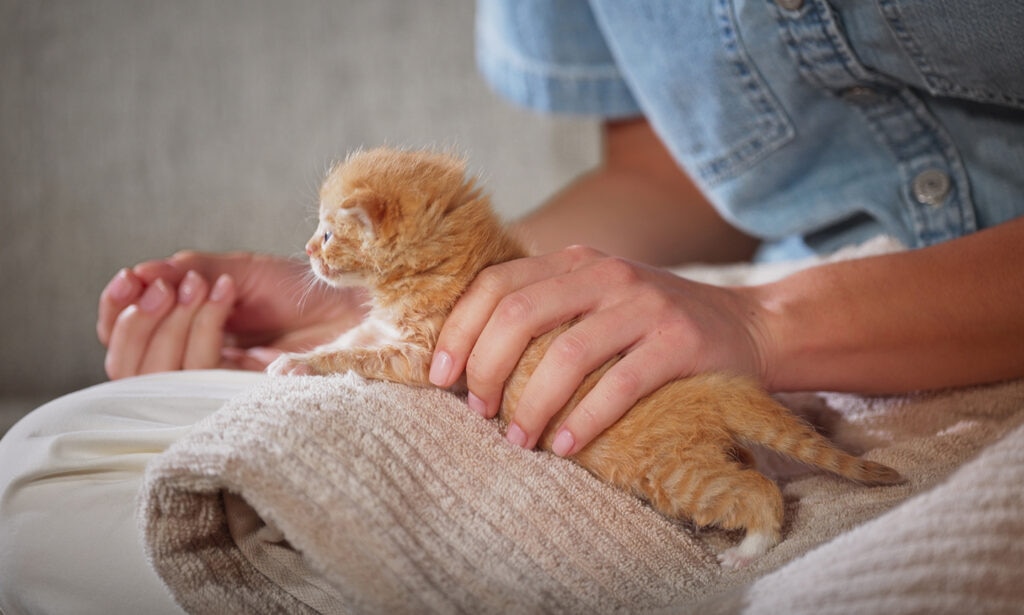
Photo by Chewy
Watching your new kitten grow up in the first eight weeks of their life can be both adorable and exciting, but it’s also a critical time for development.
The greatest risk is a condition called fading kitten syndrome. Fading kitten syndrome is a life-threatening emergency in kittens. If you notice symptoms, head to a veterinarian as soon as possible.
Key Takeaways
- Fading kitten syndrome is a medical emergency that most often affects kittens in their first weeks of life and can progress very quickly.
- Early warning signs include constant crying, poor nursing, weight loss, low body temperature, breathing trouble, and separation from littermates.
- There are many possible causes, including infections, birth defects, low blood sugar, dehydration, and failure to receive enough colostrum.
- Immediate veterinary care is critical, as fast treatment greatly improves a kitten’s chances of survival.
- Not all cases can be prevented, but proper prenatal care, early vet visits, and close monitoring during the first eight weeks can reduce risk.
What Is Fading Kitten Syndrome?
Fading kitten syndrome is a life-threatening condition in newborn kittens that causes them to suddenly stop thriving during their first weeks of life.
Your kitten might seem healthy at first, but they may suddenly become weak or ill. This can unfortunately be fatal if not immediately addressed.
Fading kitten syndrome isn’t necessarily a diagnosis, but it’s a complex set of predisposing factors, causes, and symptoms. While kittens are most at risk of serious illness in their first two weeks of life, fading kitten syndrome can occur anytime in their first eight weeks.
Because fading kitten syndrome comes on quickly and progresses rapidly, it’s considered a veterinary emergency that requires immediate medical attention.
Signs of Fading Kitten Syndrome
Common signs of fading kitten syndrome include:
- Restlessness and long crying episodes
- Inability to suckle or swallow
- Weight loss or failure to gain weight
- Trouble breathing
- Pale or blue gums
- Diarrhea or yellow, green, or red-discolored stool
- Regurgitating milk
- Low body temperature
- A thin or swollen belly
- Low or no muscle tone
- Lying away from littermates
Causes of Fading Kitten Syndrome
Fading kitten syndrome has many causes, including genetic or environmental factors, infections, and issues during birthing. However, sometimes the cause is not known.
Common causes of fading kitten syndrome include:
- Not drinking enough of their mother’s first milk (colostrum) after birth, which contains immune-boosting antibodies
- Dehydration
- Low or high environmental temperature
- Low blood sugar
- Bacterial, parasitic, or viral infection
- Low blood oxygen from a traumatic or difficult birth
- Blood disorders like neonatal isoerythrolysis, where the body attacks and destroys its own red blood cells, resulting in anemia
- Low birth weight
- Cleft palate that prevents suckling
- An enlarged esophagus, which can cause milk to go into the lungs and lead to serious lung infections
- Chest malformations that can prevent normal breathing
- Head malformations that may affect how the brain and nerves work
Kittens with signs of fading kitten syndrome should be seen by a veterinarian immediately.
How Vets Diagnose Fading Kitten Syndrome
Your veterinarian or an emergency veterinarian will perform a physical exam that includes:
- Looking in their mouth for a cleft palate and checking gum color
- Using a scope to look in their eyes, nose, and ears
- Listening to their heart and lungs
- Testing their skin for dehydration
- Feeling their belly for signs of gas or fluid
- Taking their temperature
- Checking their reflexes
Diagnostic tests may include:
- X-rays or an ultrasound to look at the heart, lung, diaphragm, and intestines
- Blood work to check blood sugar and organ function
- A swab of your kitten’s nose and eyes to check for infection
How To Treat Fading Kitten Syndrome
How your vet treats your kitten depends on the cause, but treatment should start as soon as possible.
Treatment for kittens with fading kitten syndrome might include:
- Hospitalization (at least initially)
- Help keeping your kitten warm if their body temperature is too low
- Extra oxygen to support kittens who aren’t getting enough oxygen on their own
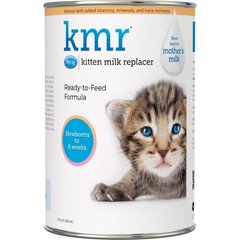
- Oral or tube feeding of milk replacer, like PetAg KMR Kitten Milk Replacer Liquid
Recommended Product
- Electrolytes for hydration
- Vitamin B injections for energy
- 5% dextrose solution for low blood sugar
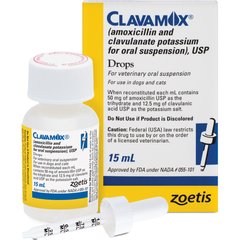
- Antibiotics, like Clavamox, for bacterial infections
Recommended Product
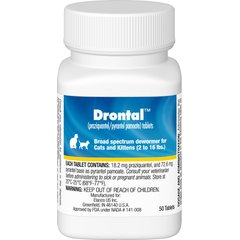
- Deworming medications, like Drontal, for parasite infections
Recommended Product
- Surgery in severe cases, such as serious chest issues or a hole in the diaphragm
Once your kitten is well enough to leave the veterinary hospital, you may be sent home with additional medications, such as dewormers and antibiotics, and possibly equipment to give fluids under the skin at home.
Your veterinarian will also tell you how to feed your kitten at home, especially if they need to continue a high-quality milk replacer formula.
Ask your vet if your kitten needs to be isolated from other cats in the home, including their siblings and mother. If they suspect an infection, separation will probably be mandatory.
Recovery From Fading Kitten Syndrome
Recovery looks different for every kitten and depends on the underlying cause and treatment. Some kittens begin to improve in days, while others may need weeks or even months of care. Recovery after surgery typically takes longer, while bacterial infections may improve more quickly with antibiotics. Conditions, such as viral infections or anemia, can take months to resolve.
When symptoms are caught early and treated right away, fading kitten syndrome can often be successfully treated—and in some cases, cured. Prompt veterinary care plays a critical role in improving a kitten’s chances of survival.
That said, not all kittens with fading kitten syndrome survive. Severe infections can sometimes progress to sepsis before treatment is able to help. Other factors, such as premature birth, congenital issues that affect breathing, or low birth weight, can also make recovery more challenging by increasing the risk of issues like hypothermia.
How To Keep Your Kitten Comfortable
To support a kitten recovering at home, give them a soft, warm place to rest, like a bolster cat bed. The Frisco Self-Warming Bolster Kitten Bed is a good option.
Recommended Product

Stress relief is also important because it boosts immune function and improves a kitten’s chances of survival.
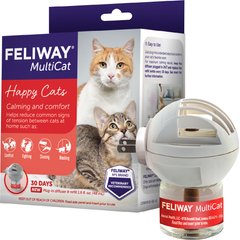
Place a calming diffuser, like the Feliway MultiCat, in a quiet area where your kitten spends most of their time. It releases a synthetic version of a calming pheromone kittens experience while nursing, which can help them feel safer and more secure.
Recommended Product
Finally, offer your kitten some extra love and attention with a tasty cat treat, like the Inaba Churu for Kittens Puree, which provides extra calories to help kittens gain weight. Check with your veterinarian before offering new treats.
Recommended Product

How To Prevent Fading Kitten Syndrome
You cannot prevent fading kitten syndrome, but you can reduce the likelihood.
If you have a pregnant cat, make sure they’re eating a wholesome, balanced diet, like Royal Canin Feline Health Nutrition Mother & Babycat Dry Cat Food.
Recommended Product

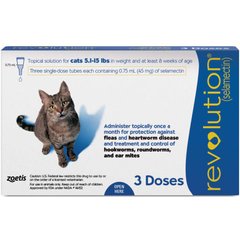
Mother cats should also be fully vaccinated, dewormed regularly, and up to date on flea prevention. Revolution Topical Solution for Cats prevents against fleas, heartworm, and intestinal worms, and it’s safe for pregnant cats.
Recommended Product
If you’re getting a kitten from a breeder, ask whether the parents have been screened for genetic conditions.
No matter where your kitten comes from—whether a breeder or a rescue—they should see a veterinarian within the first two to three days and be nursing from their mother or drinking a milk replacer, like KMR.
Lastly, ensure your home is:
- The right temperature (around 80 F to 85 F for kittens younger than 8 weeks old)
- Clean and tidy (keep up with vacuuming and wiping down surfaces, and wash any kitten bedding with hot water at least every few days)
FAQs About Fading Kitten Syndrome
Can a kitten survive fading kitten syndrome?
Yes, a kitten can survive fading kitten syndrome with early and intensive care.
How do you revive a fading kitten?
You cannot revive a fading kitten on your own. Fading kittens need emergency veterinary care and should be taken in right away.
Is fading kitten syndrome my fault?
No. Fading kitten syndrome is not necessarily anyone’s fault. There are multiple causes, and some of them are not controllable. However, make sure your kitten gets the vet care they need immediately.
What is the survival rate for fading kittens?
There isn’t a widely accepted survival rate for fading kitten syndrome. While the condition can be life-threatening—especially without treatment—early and intensive veterinary care can greatly improve a kitten’s chances of survival.