Can Cats Cry?


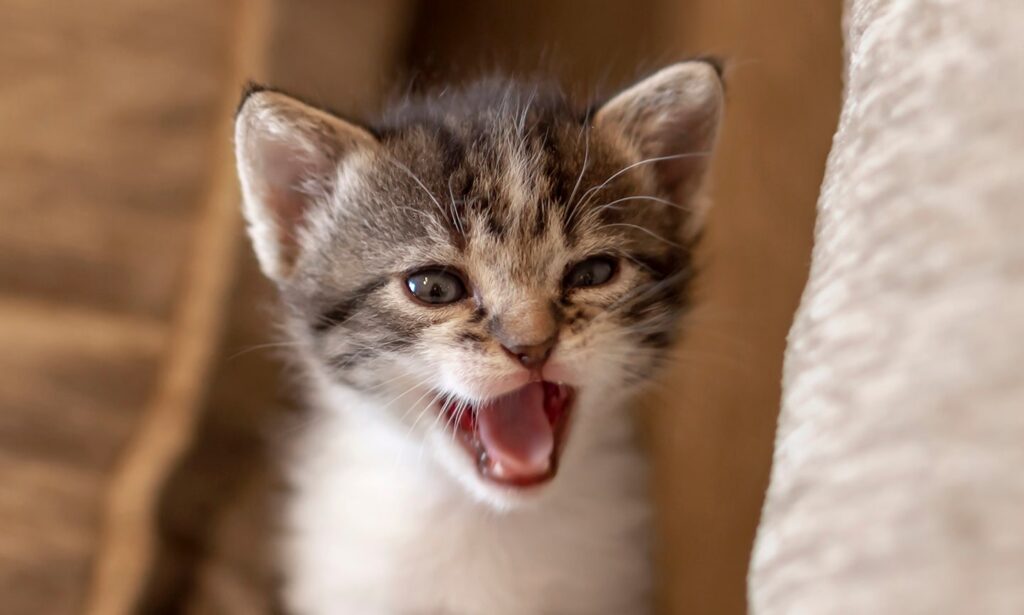
Photo by vladans/iStock/Getty Images Plus
When your cat starts to make a dramatic meowing sound, you might wonder whether they’re actually crying. But can cats cry?
Yes, cats do make sounds that mimic crying, but it’s different than how we think of humans crying. Here’s what to know about cats crying and when to worry.
Key Takeaways
- Cats can make vocal sounds that are a lot like crying, but they don’t cry tears like humans.
- Common reasons cats cry include hunger, attention-seeking, fear, annoyance, or illness, and some breeds are naturally more vocal than others.
- Watery eyes are not a sign of sadness and are usually caused by medical issues like infections, allergies, or an eye disease.
- If your cat is meowing more often or has watery eyes for more than 24 hours, call your veterinarian for an appointment.
Can Cats Cry Tears?
No. While a crying cat can make sounds similar to human crying, they don’t cry in the same way we do. Humans cry due to complex emotions, and as a result, we produce tears.
“While cats can cry due to stress, pain, loneliness, or for attention, they do not produce tears in the traditional sense and do not have complex emotions like people do,” explains Carly Fox, DVM, a senior veterinarian in the Emergency & Critical Care Department at Animal Medical Center in New York City.
How Do Cats Cry?
Cat crying depends on the individual cat, including their age, breed, and personality, and what they’re crying about.
However, most cat cries sound like:
- Yowls
- Loud meows
- Faint whimpering
“Occasionally, cats can whine or chatter when they’re upset, but usually they make a very loud, mournful sound if they’re in particular distress,” Dr. Fox says.
Why Do Cats Cry? 7 Reasons for Cat Crying
If you’ve ever wondered, “Why is my cat crying?”, you’ve likely been concerned for your cat’s well-being. Here are the most likely reasons they’re vocalizing:
Your Cat Wants Food
Cats develop internal clocks and know exactly when mealtime rolls around. Meows come fast and furious when the bowl is empty and tummies rumble.
When it comes to feeding, stick to a routine—you can even use a feeding tracker. An automatic pet feeder, like the Penthouse Paws Smart HD Automatic Dog & Cat Feeder, can help keep things on schedule when you’re not home.
Recommended Product

Your Cat Wants Out
Cats are always on the wrong side of the door—they either want in or out. A crying cat may use meows to get humans to play doorman, says Amy Shojai, CABC, a certified animal behavior consultant in north Texas.
If you’ve ever gone to the bathroom or tried to close your bedroom door at night, then heard your cat meowing on the other side, this is likely the reason for their cries.
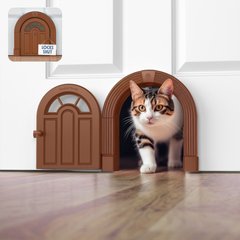
Install a pet door, like the Purrfect Portal Meow Manor Plastic Interior Cat Door or the Hakuna Pets Deluxe Aluminum Dog & Cat Door, to provide access to cat-safe rooms or catios.
Recommended Products

Your Cat Wants Attention
Cats can easily grow bored—that’s when they resort to crying to get petting and playtime.
You can bond with your cat by spending quality time with them, whether it’s chasing a wand toy, like the Garfield Food Cat Teaser Toy, or tossing a catnip-filled plush, like the SpongeBob Squidward & Patrick Cat Plush Toy with Catnip.
Recommended Products


Your Cat Is Annoyed with You
Forcing a cat to do anything they dislike may prompt howling or wailing. For example, cats often meow for release when held too long for their liking, Shojai says.
Watch your cat’s body language, and stop what you’re doing before their ears turn sideways and their tail thumps a warning—or meows could turn to bites.
Your Cat Is Scared
A frightened cat may start out with softer meows, but those meows could turn into growls and hisses.
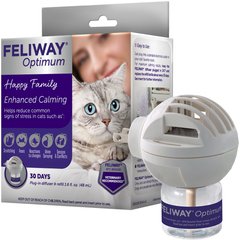
Figure out what’s scary and help relieve your cat’s fear. A calming diffuser, like the Feliway Optimum Enhanced Calming 30 Day Diffuser for Cats, may help relax your cat. Talk to your vet about the best way to help them feel more secure.
Recommended Product
Your Cat Doesn’t Feel Well
Sick cats can try to hide their illness, but some cats will cry prior to vomiting or coughing up a hairball. And cats with hypertension, senior cats, and deaf cats may meow a great deal from discomfort, confusion, or anxiety.
If you notice your cat meowing more than usual, make an appointment with your veterinarian.
Your Cat Is Simply Chatty
Cat crying can also be a part of your pet’s personality. Some breeds—including Siamese, Bengal, Tonkinese, and Sphynx—talk a great deal. Consider it a form of expression.
Why Are My Cat’s Eyes Watering?
Since cats don’t shed tears like humans, you might wonder why you see what look like teardrops in their eyes. Also called epiphora, watery cat eyes are typically a physical issue—not crying or sadness.
“Watery eyes are seen in cats with a variety of ocular conditions, such as viral or bacterial infection, allergic conjunctivitis, and corneal disease,” Dr. Fox says.
If your cat’s eyes are watery or red, or if your cat is squinting, see a veterinarian as soon as possible.
Your vet will assess your cat, make a diagnosis, and prescribe a treatment plan. This may include medications, such as an eye ointment like Neo-Poly-Dex (Generic) Ophthalmic Ointment or an antibiotic like Terramycin Ophthalmic Ointment.
Recommended Products

When To See the Vet About Your Cat Crying
“Cats can be rather stealthy and creative in hiding symptoms of discomfort or illness,”says Jennifer Donaldson, DVM, a veterinarian based in Willow, Alaska.
So, if you notice changes in your cat’s meowing—for instance, it’s much more pronounced or frequent—see a veterinarian soon.
If your cat’s eyes are watery, see a vet if it:
- Lasts more than 24 hours
- Is affecting typical daily behaviors, like eating, drinking, playing, or using the litter box
- Includes discharge or pus
- Includes rubbing or pawing at the eyes
- Includes keeping one or both eyes closed
- Is accompanied by an injury, like a laceration in or around the eye (this requires immediate care)
Never use human eye drops on your cat unless directed by a veterinarian.
FAQs About Cat Crying
Can cats cry tears when sad?
No. Cats do not cry tears like humans do. If your cat’s eyes are watering, it’s typically a sign of irritation, injury, infection, or a chronic condition. See your vet if the issue persists more than 24 hours or if there’s a visible injury.
Do cats cry in pain?
Yes. Cats can vocalize for many reasons, including pain.
Do cats cry when sad?
Maybe, but there’s still a lot that experts don’t know. However, cats experience a range of emotions that might make a meow sound like a cry, including fear, happiness, curiosity, and contentment.
Attributions