Mange in Cats: Signs, Causes, and How To Treat

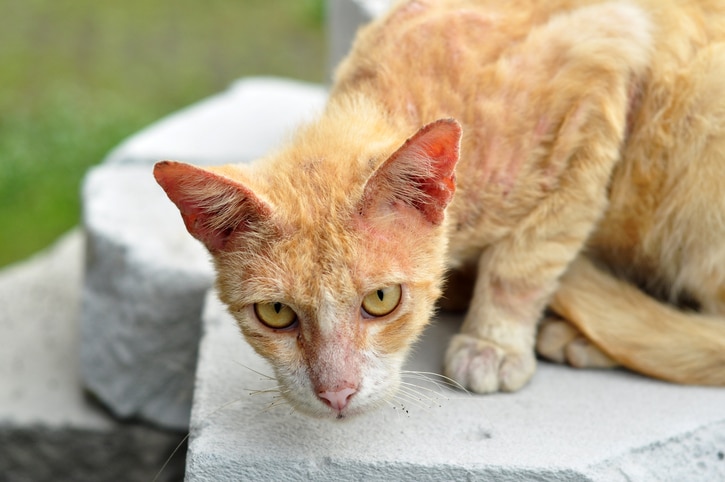
Photo by danikancil/iStock/Getty Images Plus
If your cat is itching constantly and losing fur, they might have a condition called mange. Mange is caused by tiny mites on your cat’s skin and ears, and it can spread to other pets.
Mange in cats is not a medical emergency, but it requires treatment by a veterinarian as soon as possible.
Key Takeaways
- Mange in cats is caused by microscopic mites that lead to itching, fur loss, scabs, and skin irritation.
- Some forms of mange are highly contagious and spread easily between cats.
- Symptoms can look like other skin issues, so a veterinarian must confirm the diagnosis.
- Treatment typically includes prescription anti-parasitic medications, and all cats in your home will need treatment.
- Regular parasite prevention, routine vet care, and keeping cats indoors can help reduce the risk of mange.
What Is Mange in Cats?
Mange is a skin condition caused by tiny mites that live in a cat’s hair follicles and on their skin. Mange can cause fur loss, itching, scabs, and general discomfort, and if untreated, it can progress to severe skin infections and pain.
Mange is common in cats, especially in kittens, feral cats, and cats who are immunocompromised.
Most types of mange are highly contagious and can spread easily to other pets.
Signs of Mange in Cats
Mange on cats can cause many symptoms, mainly affecting their skin and fur.
Signs of cat mites include:
- Fur loss
- Intense itching or biting skin
- Red, crusty skin
- Small, red bumps
- Thick, dark ear discharge
- Head shaking
- Ear scratching
- Lethargy
- Decreased appetite
- Restlessness
- Overgrooming
What Does Mange Look Like in Cats?
Cat mange results in red, scabby skin and hair loss on the body, especially on the head, neck, and around the ears.
Causes of Mange in Cats
Mange in cats is caused by mites, and there are four common types. They differ in where they appear and how easily they spread to other animals or people.
| Type of Mange | Mite | Primary Area and Signs | Spread to Other Cats? | Spread to Dogs? | Spread to Humans? |
|---|---|---|---|---|---|
| Otodectic (ear mites) | Otodectes cynotis | Ears. Dark, coffee-ground discharge. | Yes | Yes | Temporary rash only |
| Notoedric (feline scabies) | Notoedres cati | Head/neck. Crusted, thickened skin. | Yes | Sometimes | Temporary rash possible |
| Demodectic | Demodex cati/D. gatoi | Skin. Linked to immune compromise. | D. gatoi only | No | No |
| Cheyletiellosis (walking dandruff) | Cheyletiella blakei | Dry, flaky skin. | Yes | Yes | Temporary rash possible |
Although each type of mange affects cats differently, all require veterinary diagnosis and treatment to prevent spread and complications.
How Veterinarians Diagnose Mange in Cats
Mange can look like other skin conditions, such as flea dermatitis or allergies, so it’s important to seek veterinary care for an accurate diagnosis.
If you notice your cat is losing fur, scratching constantly, or developing red, crusty skin, it’s time to see a veterinarian as soon as possible.
During the visit, your veterinarian will perform a complete physical exam, which may include:
- Flea comb: A fine-toothed comb can trap fleas or flea dirt.
- Skin scrape: A skin sample viewed under a microscope can reveal cat mites and their eggs.
- Ear cytology: Discharge from your cat’s ear canal viewed under a microscope can also reveal mites.
- Blood work: Your vet will use blood work to check your cat’s overall health through blood cell counts, organ function tests, and infectious disease screening (like FeLV). Blood work can help tell if there is an underlying infection or immunosuppressive illness allowing the mites to thrive.
Mange Treatment for Cats
Most cases of mange respond well to treatment. However, if the infestation is severe or your cat is immunocompromised, it can take multiple courses of treatment to resolve the issue.
Treatment options may include:
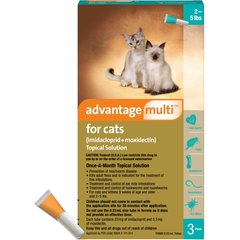
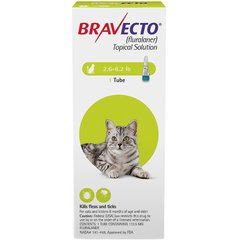
- Topical anti-parasitics: Medications include Revolution, Advantage Multi, or Bravecto.
Recommended Products
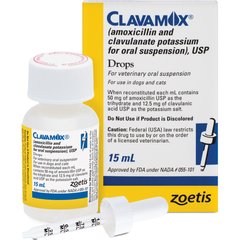
- Antibiotics for secondary skin infection: Clavamox may be prescribed if a skin infection is present.
Recommended Product
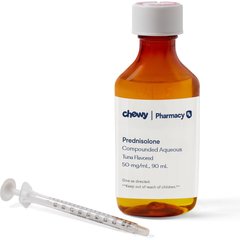
- Anti-inflammatories: Prednisolone may be used to reduce skin inflammation and itching.
Recommended Product
- Treating all household cats: Because many types of mange are contagious, your veterinarian may recommend treating all pets in the home to reduce the spread.
- Cleaning the environment: Mites can fall off your cat and survive in their environment, so it’s also important to wash your cat’s bedding or blankets every few days in hot water. You should also vacuum daily to remove mites and their eggs from floors and furniture.
- Offering extra bedding: Keep additional beds and blankets on hand to swap out while you’re washing others.
Recommended Products


How Can I Help My Cat Feel More Comfortable?
In addition to veterinary treatment, there are several ways you can help your cat feel more comfortable at home during recovery:
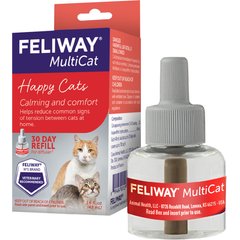
- Create a calm space to rest. Set up a quiet, low-stress space for your cat. Feliway diffusers release calming pheromones that may help your cat relax.
Recommended Product
- Prevent scratching and self-trauma. Your vet may recommend a recovery collar to prevent your cat from scratching and worsening any infection.
Recommended Product

- Soothe irritated skin. Some cats may also benefit from oatmeal shampoos to help soothe their itchy skin, but check with your veterinarian before use.
Recommended Product

How Do I Prevent Mange in Cats?
There are three main ways that pet parents can protect their cat from mange:
- Stay up-to-date on your cat’s routine veterinary appointments and vaccinations.
- Give your cat monthly parasite prevention year-round to protect against mites.
- Keep your cat indoors to reduce exposure to feral dogs and cats and wildlife.
FAQs About Mange in Cats
How can you tell if a cat has mange?
Your veterinarian is the only one who can confirm a diagnosis, but you might suspect your cat has manage if they are experiencing hair loss, intense itching, and red, crusted skin.
Is cat mange contagious to humans?
Usually. Most mites that cause cat mange, except for Demodex mites, are contagious to humans. However, they do not live on people long-term and typically will cause only a temporary rash on human skin.
Can mange in cats heal on its own?
No. Mange always requires treatment by a veterinarian. Without treatment, mange worsens and makes cats very uncomfortable.
How do you get rid of mange on a cat?
Cats with mange must see a vet for treatment. Treatment usually consists of topical anti-parasitic medications for one to two months.