Chug Dog
Updated December 15, 2025

Chug Dog
Updated December 15, 2025
The Chug is the silly name for a Chihuahua-Pug mix, but the moniker accurately captures the crossbreed’s unique personality and looks. Vocal, wrinkly, cuddly, and spunky, Chug dogs can make ideal companions for anyone with a sense of humor.
Affectionate, Talkative, Opinionated
18 pounds or less
Less than 13 inches
13–16 years
Black, Brindle, Chocolate, Fawn, Red, Sable, White
Looking for a small dog with a big personality and an even bigger heart? You’ve found it in the Chug. A Chihuahua crossed with a Pug, the Chug dog combines the best—and silliest—parts of both breeds to create a one-of-a-kind companion.
These dogs are known for tightly bonding to their family members, so you’re unlikely to spend much time sitting solo on the sofa once you bring home a Chug puppy. And thanks to their big, expressive eyes, you’ll always know just what your Chug wants (and don’t be surprised if that’s usually treats).
Recommended Products
Chug Dog Characteristics
Chug Dog Appearance
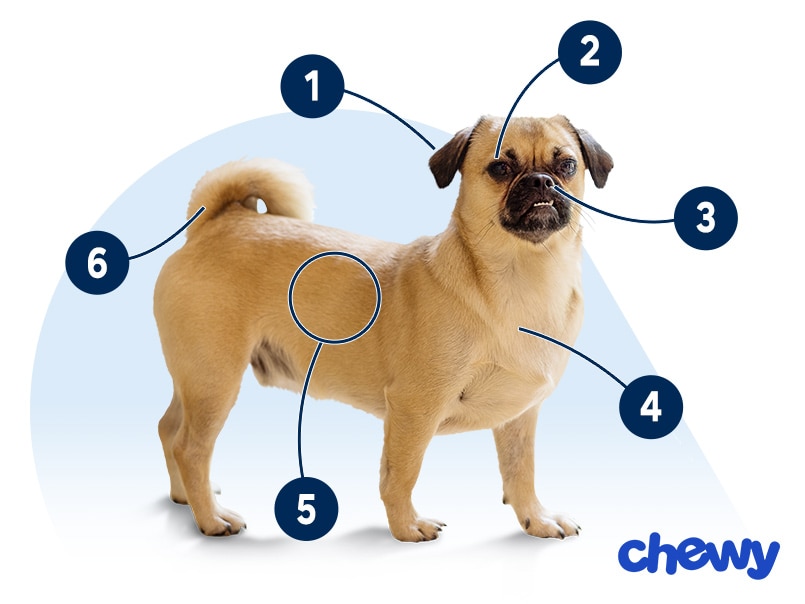
Because Chugs are a Chihuahua-Pug mix, these dogs have a wide range of physical traits. Some Chug dogs may look more like the flat-faced Pug, while others may more closely resemble the tiny Chihuahua. It all depends on the individual pup.
- Ears
A Chug’s ears might be folded over like a Pug’s, or stand tall and erect like a Chihuahua’s.
- Eyes
A Chug will typically have large, round, expressive eyes—a physical trait shared by both parent breeds.
- Nose
Chugs typically have a short muzzle with a nose that might be black or brown, depending on coat color.
- Coat Length
A Chug might have a short, smooth coat or a slightly longer, medium-length coat.
- Coat Color
Their coat can be black, white, fawn, red, chocolate. They may also have a bicolor or tricolor coat, or a coat with merle, brindle, or sable markings.
- Tail
The tail is typically short, and may be slightly curved upward or coiled over the back.
Chug Dog Temperament
A Chug’s mission in life is to be your BFF, and they’ll rarely turn down an opportunity to snuggle up with you.
“Chugs are a lively mix of the affectionate, social Pug and the alert, talkative Chihuahua,” says dog trainer Shir Limazati of Another Chance Training in Chicago. This combination means Chugs have charming, perky personalities and make great family dogs.
Don’t expect your Chug to stay silent on the sidelines. These talkative dogs will frequently bark at unfamiliar sights and sounds, or to get your attention when they feel overlooked. Chugs might not even be quiet when they sleep—those with flatter faces will probably snore.
While Chugs bond tightly to their human family members, these dogs can be more wary of new people; this is when you’ll hear them barking. This means early and consistent socialization is a must for all Chug puppies.
Related Breeds





How to Care for a Chug Dog
The Chug dog breed is fairly easy to care for, as long as you spend quality time with them every day.
Specifically, Chugs need short bouts of play and exercise (but nothing too intense!), a consistent feeding schedule, regular training and games, and frequent brushing to keep shedding under control.
Grooming
Training
Diet
Exercise
Environment
Chug Dog Health
The average lifespan of a Chihuahua-Pug mix is 13–16 years. While they’re usually hardy dogs, Dr. Koballa says pet parents need to pay extra attention to weight control, provide routine dental care, and ensure their dog is breathing easily.
Here are the most common health issues you should be aware of when bringing home a Chihuahua-Pug mix.
- Brachycephalic airway syndrome: Chugs often take after their Pug parents and have a shorter snout, which also means the dog’s airway is shorter, too. This is called brachycephalic airway syndrome, and it can cause snoring, noisy breathing, and heat intolerance. Maintaining a healthy weight can help minimize these problems, and you should also watch for signs that your Chug needs a break during playtime or exercise.
- Dental disease: Small dogs are at a higher risk for dental disease because their teeth overcrowd their tiny mouth, and being brachycephalic makes Chug dogs more prone as well. To promote healthy teeth and gums, brush your Chug’s teeth every day with a dog toothbrush and toothpaste. You’ll also need to keep up with routine veterinary dental cleanings.
- Pro tip: While brushing is the best way to keep your dog’s mouth healthy, you can also offer your Chug dental treats, feed them a dental-focused diet like Hill’s Science Diet Oral Care, or add a product like VETRADENT Dental Water Additive to their water bowl.
- Eye problems: A Chug’s big eyes are adorable, but they can be prone to infection, injury, or inherited disease. Changes in your dog’s vision, excess discharge, or redness could be a sign of a developing eye problem, like glaucoma or cataracts, so contact your veterinarian right away.
- Heart problems: Koballa says a Chug might inherit heart problems that Chihuahuas are predisposed to. In particular, she says, heart murmurs related to mitral valve disease are sometimes noted within the breed. While most dogs are asymptomatic initially, some can develop a cough or exercise intolerance.
- Patellar luxation: In dogs with patellar luxation, the kneecap slips out of place. The condition affects many small dogs, including the Chug, and you might notice your pup hopping or limping when it occurs. Anti-inflammatory medications and joint supplements are the most common forms of treatment, but surgery might be needed in severe cases.
Chug Dog History
The Chug isn’t a purebred dog, so the breed isn’t recognized by the American Kennel Club and it’s hard to pinpoint the dogs’ origin. However, the Chihuahua and Pug dog breeds have long histories as companion dogs.
Chihuahuas originated in Mexico from the ancient Techichi dog breed, dated to about the ninth century CE. The Pug is a Chinese dog breed, originally prized companions to Chinese emperors.
Fast forward many centuries, and today’s Chug mixed breed is fulfilling their parent breed’s legacy as small, furry companions.