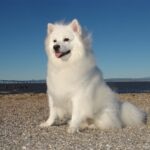
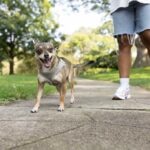
Puppy Travel: 20 Tips for Safe and Drama-Free Trips With Your Pup



Photo by Chewy
Whether you’re headed to the airport for a weekend getaway or taking your pup on their first road trip, puppy travel requires thoughtful planning. From packing the essentials to keeping your dog comfortable and calm on the go, we’vegot you covered.
Use these 20 tips to make traveling with your puppy a safe, drama-free experience for both of you.
Key Takeaways
- Prepare for puppy travel with a checklist that includes safety, comfort, and health essentials.
- Before you go, visit your vet, prep your puppy’s crate, and plan your route with breaks.
- During travel, focus on comfort, hydration, and calm reinforcement.
- Upon arrival, maintain their usual routine and create a familiar space to help your pup settle in.
- Consult your vet for age-specific travel advice and to see if your puppy needs motion sickness support.
Puppy Travel Checklist
- Travel crate or carrier (secure and airline-approved if flying)
- Collar with ID tag
- Leash and harness
- Travel bowls for food and water
- Food and treats
- Puppy-safe water
- Potty pads and waste bags
- Toys and comfort items
- Medications (if needed)
- Vaccination records
- Towel or blanket
- Cleaning supplies for accidents
- First-aid kit
- Puppy travel sickness tablets (check with your vet first)
5 Things To Do Before Traveling With Your Puppy
1. Visit Your Vet
Schedule a check-in with your veterinarian to make sure your puppy is healthy and up to date on their vaccinations.
2. Microchip Your Pup
In case you get separated from your puppy, microchipping greatly increases the chances of being reunited.
- If you haven’t had your puppy microchipped yet, make plans to do it before your departure.
- If your puppy is already microchipped, check the manufacturer’s microchip registry website to ensure their registration is active and updated with your current contact information.
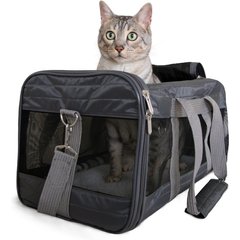
3. Get Your Puppy Used to Their Crate or Carrier
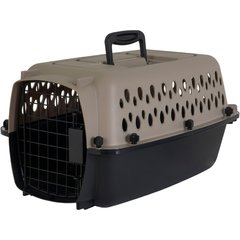
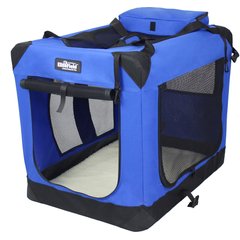
A little crate training can go a long way. Let them explore and nap in their travel crate ahead of time so it feels familiar.
Recommended Products
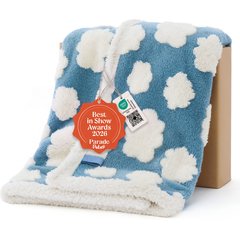
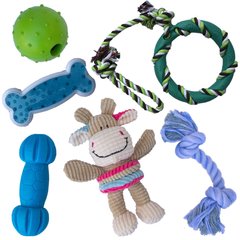
4. Pack Comfort Items
Bring a dog blanket and puppy toys that smell like home to reduce anxiety.
Recommended Products

5. Plan Frequent Stops
For road trips, plan to stop every two to three hours for potty breaks and a bit of exercise.
For air travel, plan to visit your airport’s pet-relief area as soon as possible before and after your flight.
10 Things To Do While Traveling With Your Puppy
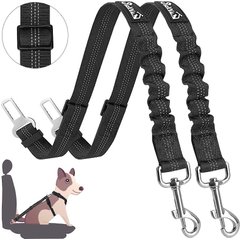
1. Secure Your Puppy
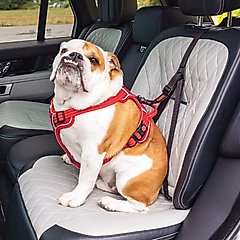
If you’re traveling by car, use a car-safe crate or a dog seatbelt harness.
Recommended Products
2. Keep the Temperature Comfortable
Never leave your puppy alone in a hot or cold car. If your puppy is in the back seat, check your car’s heat or air conditioning settings to ensure it’s a safe and comfortable temperature for them.
Airlines often keep their planes on the colder side, so bring a blanket for your pup.
3. Offer Water Often
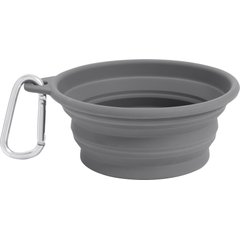
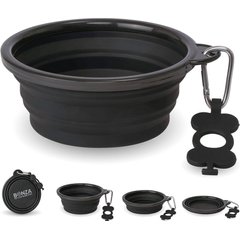
Hydration is key, especially in warm weather. On drives, make sure your dog has access to water in their crate. A dog travel bowl can help you offer water during air travel too.
Recommended Products
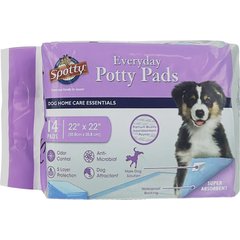
4. Use Potty Pads for Emergencies
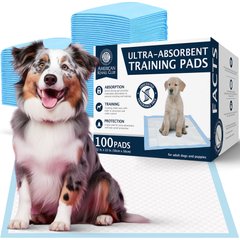
Many puppies’ bladder control is shaky at best. Be prepared by packing potty pads for those gotta-go-right-now moments.
Recommended Products
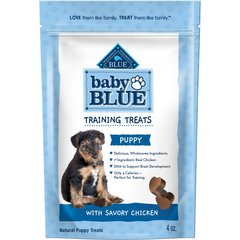
5. Reward Calm Behavior
Bring puppy training treats to reward your puppy for staying calm.
Recommended Products


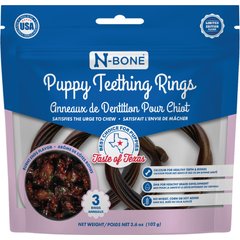
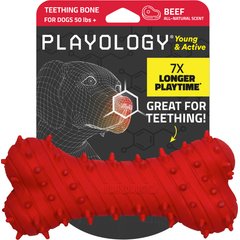
6. Offer Chews or Toys
Your puppy’s boundless energy won’t take a break just because they’re in a car or plane. Provide long-lasting puppy chews and toys to keep boredom and restlessness at bay.
Recommended Products


7. Monitor for Motion Sickness
Maybe you already know your puppy is prone to motion sickness. Maybe you’ve never traveled with them before so you’re not sure. Either way, it’s best to be prepared.
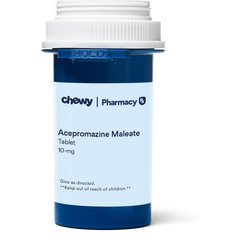
Ask your vet about puppy travel sickness tablets or other solutions if your pup shows signs like drooling or whining en route.
Recommended Products

8. Keep It Calm
In the car, keep your speaker volume low and your conversations mellow to help your pup relax.
In airports, find a quiet area for you and your dog while you wait to board your flight.
9. Stick to Your Routine
If possible, plan to feed and walk your pup at their usual times. This will help them feel less anxious and may help prevent potty accidents.
10. Use Positive Reinforcement
Praise your pup often so they associate travel with good things, setting them up for a lifetime of travels with you.
5 Things To Do After You Arrive With Your Puppy
1. Walk Them First
Let them explore and go potty before settling in.
2. Puppy-Proof Your Lodging
Whether you’re in a hotel, vacation rental, or crashing at a friend’s place, make sure it’s safe for your pup. Puppy-proof the space by covering cords, and removing small items and other hazards.
3. Set Up a Safe Space
Use their crate, bed, and/or blanket to create a calm zone just for your puppy. Travel can be overstimulating for dogs, and providing a chill area will help soothe their nerves.
4. Keep Meals and Potty Times Consistent
Just like it did when you were on the road, sticking to your puppy’s regular schedule helps reduce stress and keeps their digestion on track.
5. Give Them Time to Adjust
Let your puppy take it slow in a new environment. Don’t overwhelm them with too many new experiences at once.
FAQs About Puppy Travel
Can a 3-month-old puppy travel?
Yes, a 3-month-old puppy can travel, but it’s best to check with your veterinarian first. Young puppies are still developing and may not have all their vaccinations yet.
How old should a puppy be to travel by plane?
Most airlines require puppies to be at least 8 to 10 weeks old to fly, but waiting until they’re 12–16 weeks is safer, especially if they’re small or easily stressed. Follow your vet’s advice, and always check airline policies before booking.
How long can a puppy travel in a car?
Plan to stop every two to three hours during a car trip, and possibly more often for especially young pups. Puppies need frequent potty breaks, water, and a chance to stretch their legs.
Attributions
This article was created with assistance from AI tools. The content has been reviewed for accuracy and edited by a human.