Backyard Chickens Care Sheet


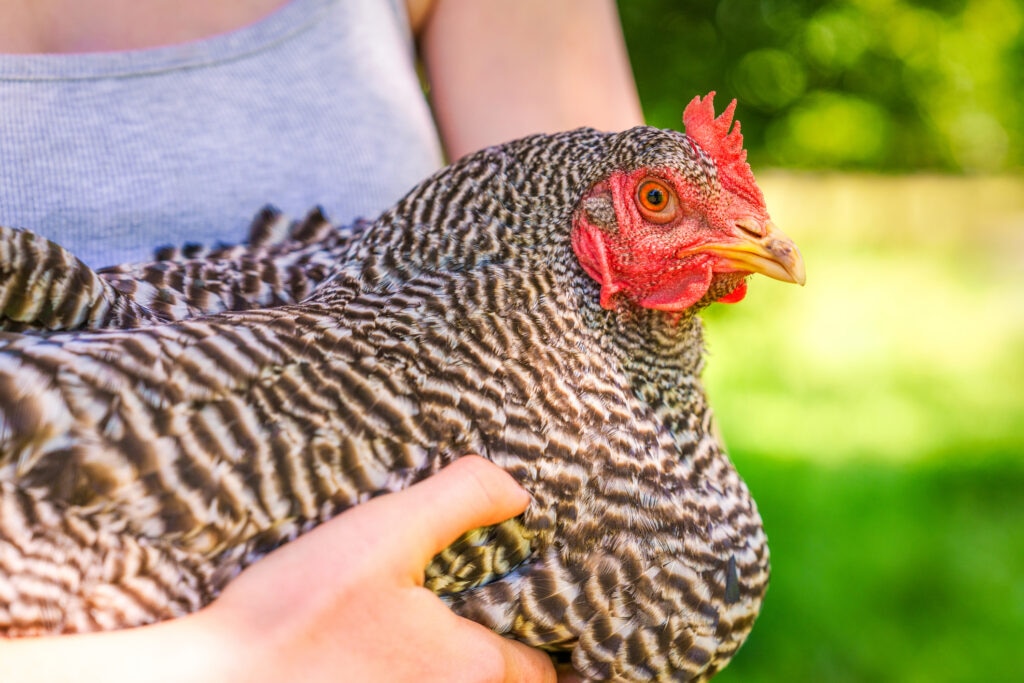
Photo by georgeclerk/iStock/Getty Images Plus
You don’t need acres of land to raise chickens; you can get backyard chickens as long as you have a little extra space. Here’s what you need to take care of backyard chickens to give them a loving (and fruitful!) life.
Chicken Overview
- As long as your state and local laws allow it, you can keep chickens in your backyard.
- Backyard chickens are friendly, sociable, and easy to train. Of course, they can also give you fresh eggs.
- With proper care, backyard chickens can live 7 years or longer.
Fun Facts About Chickens
- Backyard chickens help minimize ticks and garden pests by eating caterpillars and other insects that would otherwise eat flowers and vegetables.
- Nitrogen from chicken manure is a valuable resource for plants.
- Chickens take dust baths to keep their feathers clean and free of parasites.
Backyard Chicken Coops
Before getting chickens, you’ll need an appropriately sized outdoor chicken coop.
Recommended Products
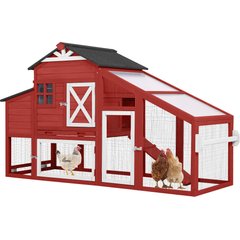
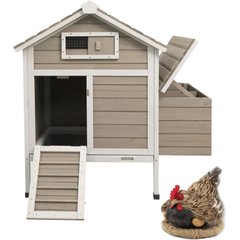
You can modify a shed or barn into a chicken coop, build one, or buy a premade one.
The size of your coop depends on how many hens are in your flock. Each hen should have at least 5 square feet of coop space and 8–10 inches of independent roosting space, as well as a chicken run for all birds to share.
Recommended Product
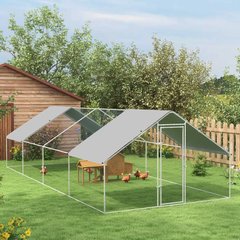
Both the coop and run should be fully enclosed with a roof and fence or net walls all around.
Your coop should also have nesting boxes—about one box for every two to three hens.
Recommended Products
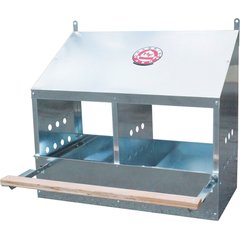
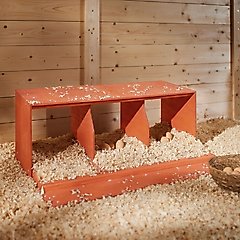
Some premade coops come with nesting boxes, but if you’re building your own coop, you’ll need to add these yourself. Have perches throughout the coop and run, too, in varying sizes and materials, such as wooden dowels and branches.
Add about 8 inches deep of pine shavings, hemp, or corn cob to the bottom of the coop and nesting boxes.
Recommended Products
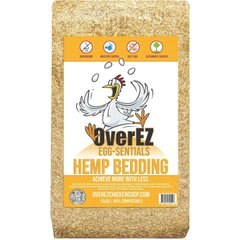
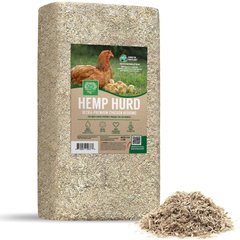
These bedding materials are better than straw for absorbing chicken waste, making cleanup a little easier.
Avoid allowing chickens to roam on wet soil or wet substrate, as this can lead to bacterial issues.
Have a designated dusting area for your chickens, as they like taking dust baths to keep mites and lice off. The dust bath area can include wood ash, sand, and fine dirt.
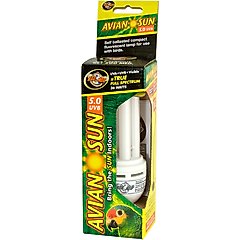
Install a full-spectrum UV light so your chickens receive their recommended 12–14 hours of UV light each day, even if they’re inside.
Recommended Product
Chickens do best at temperatures between 55–85 F, depending on the breed.
When it’s too hot, you could see lower egg production and potentially heat stress, which could be fatal for your flock. Keep fans at the ready during summertime, especially if you live in a southern or southwest state that’s hotter year-round.
In winter, protect your birds from the cold by insulating the chicken coop and using heaters.
Recommended Product

Cleaning and Maintenance
Wash feeders and waterers with soap daily to prevent bacterial growth. Make time to deep-clean your chicken coop and run every week. Refresh bedding, scrub feeders and waterers, and remove any droppings during this cleaning.
Try to limit contamination by keeping a pair of old sneakers or “chicken shoes” that you only wear when in the flock.
What Do Chickens Eat?
What you feed your chickens depends on their age, breed, and gender. Egg-laying hens have a different nutrient requirement than roosters. Also, baby chicks need a starter feed, while adults get an adult layer feed. Pay attention to where your chickens are in their life cycle so you know which foods are best for them.
For adult chickens, feed them a combination of high-quality layer feed and occasional fruits and vegetables as treats. Layer feed should make up about 90% of their diet.
Recommended Products
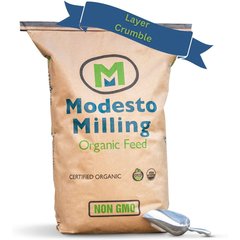
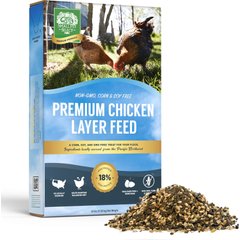
Your chickens can also enjoy feeding on grass, bugs, and weeds, but these won’t provide enough nutrients to meet all of their dietary needs.
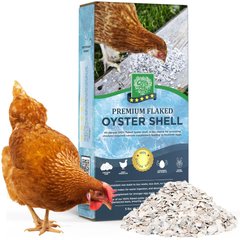
Egg-laying hens need extra calcium. You can buy commercial crushed oyster shells or simply crush your flock’s own eggshells and feed them back to them.
Recommended Product
Avoid onions, raw potatoes, and processed foods, as they can harm your chickens.
Feeders should be about 3 inches long per chicken. Keep feeders elevated a few inches off the ground so droppings don’t get in them and insects are kept away.
Recommended Product
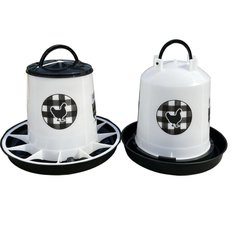
Chicken waterers should be ¾-inch long per chicken and elevated off the ground. You can also use a non-tip water bowl.
How To Hold a Chicken
Bond with your new chickens by holding them for a few minutes every day. Use treats or food to train chickens to come to you, building trust.
Recommended Products
Don’t chase chickens when trying to pick them up. Let them approach you when they’re ready.
Place one hand in the middle of your chicken’s back and place the other hand underneath their body, then lift them. Closely hold them to your body for security. Don’t hold them under your arm like a football, and never pick up a chicken by the neck or feet.
Chicken Health
Take your chickens to a veterinarian who’s experienced in caring for poultry. Annual checkups may include blood and stool tests and parasite control treatments.
Healthy chickens should have clean eyes, feet, feathers, and nostrils, produce consistent droppings, and have a full range of motion in their wings.
If you notice eye or nasal discharge, feather plucking, loss of appetite, or limping, call your vet right away. Wheezing, sneezing, vomiting, and constantly fluffed feathers are also signs of a potential problem.
Backyard Chicken Supply Checklist
Before you bring your backyard chickens home, make sure you have everything ready for them to thrive, including:
- Appropriately sized chicken coop and run
- Fencing or netting for coop walls
- Feeders or untippable elevated food bowls
- Non-tip water bowls or automatic watering system
- Nesting boxes
- Coop bedding and nesting material
- High-quality pelleted food or crumble
- Live insects
- Crushed oyster shells and treats
- Sand, wood ash, or fine dirt for dust baths
- UV light if kept indoors
- Heaters and fans
FAQs About Chickens
How many types of chickens are there?
There are dozens of chicken breeds, but some are more popular than others. For backyard chickens you can explore silkies, Jersey giants, cochins, leghorns, and others.
How long do chickens live?
Depending on the breed, chickens can live 7 years or longer when given proper care.
Do chickens lay eggs every day without a rooster?
Hens are biologically equipped to produce eggs nearly every day, whether a rooster is present or not. Roosters are for fertilization if you want baby chicks.
How many eggs does a chicken lay?
Most chickens lay about one egg a day, but as they get older, their egg production drops. Hens will lay eggs until around 5–8 years of age.
What is the best breed for laying hens?
Orpingtons, Plymouth Rocks, and Sussex chickens are among the most common egg-laying breeds.
Click here for a printable PDF version of this care sheet!
Attributions