How To De-Shed a Horse: Proven Tips for a Healthier, Shinier Coat


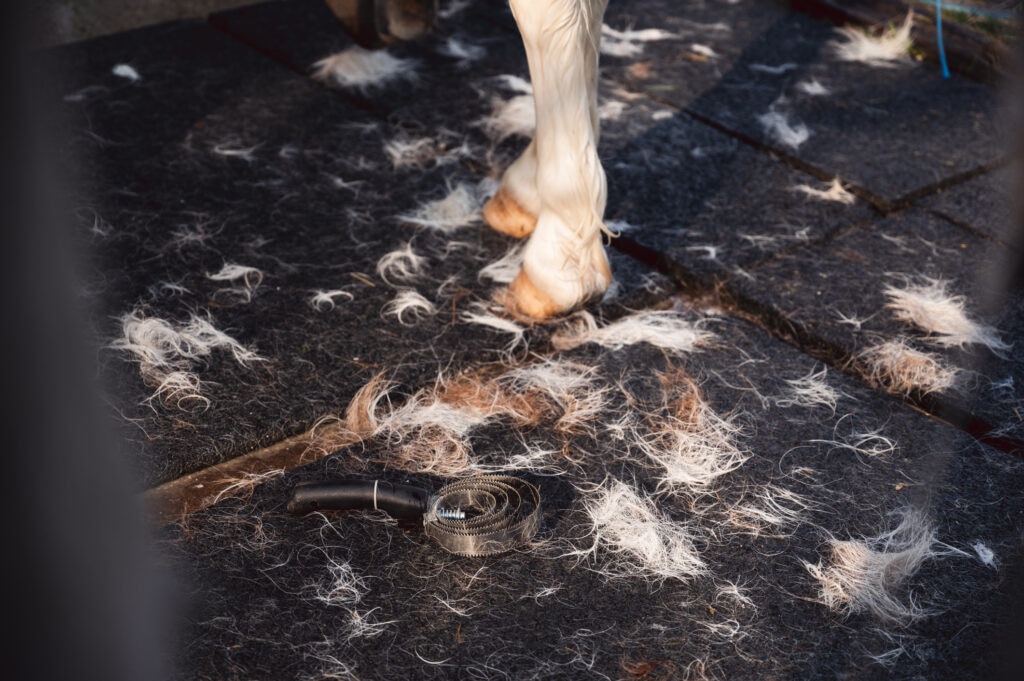
Photo by RobertPetrovic/iStock/Getty Images Plus
Whether they’re living in Michigan or South Florida, all horses shed their coats as the seasons change. De-shedding a horse with grooming tools can help them feel more comfortable and strengthen your partnership.
To learn more about horse coat care during shedding season, we spoke to Melody Hames, founder of The Horse Barber, and Cathy Trope, founder and president of Polo Pony Rescue.
Key Takeaways
- Horse shedding isn’t triggered just by weather or just by light exposure—it’s a combination of both, plus regional and individual differences.
- The best way to de-shed a horse is by grooming daily with tools like a shedding blade and grooming gloves.
- A balanced diet can improve horse coat quality year-round.
Why Horses Shed Their Coats
Horses naturally grow a thick, woolly coat to keep themselves warm in the winter, then replace it with a short, sleek coat to avoid overheating in the summer.
These coat changes are triggered by a combination of photoperiodism—the changing length of days—and temperature. Horses kept in stables grow a less dense winter coat than those living outdoors, and horses in northern climates grow heavier winter coats than those closer to the equator. Breed, age, health, and nutrition also play a role in seasonal coat growth.
Horses shed a little bit all year. When shedding season starts, you’ll see more rapid horse hair loss, generally starting from the hindquarters. If giving your horse a gentle scratch is enough to remove clumps of hair, they’re definitely shedding.
Benefits of Regular De-Shedding
Grooming your horse benefits them in several ways, especially during shedding season.
- It strengthens your bond. Most horses really appreciate de-shedding. Trope recently took an anxious senior stallion into her rescue who had spent nearly his entire life in one place. After a few good de-shedding sessions, he now follows people around begging to be groomed.
- It promotes horse skin and coat health. Each time you groom and de-shed a horse, you’re stimulating and distributing the natural oils in their skin, leading to shinier, healthier hair.
- It protects your horse and your fences. Trope says, “Itchy, shedding horses will rub on things too hard, potentially causing a bald spot or an injury. They also scratch on things we wish they wouldn’t, and end up breaking them. An itchy horse can do a lot of damage, so the ideal is to get the itchy hair off.”
- It relaxes your horse. Studies show horses behave in a more relaxed way after receiving a good grooming session and scratch.
- It removes dirt and dander buildup. Vigorous grooming brings dust and dander to the surface of the coat, where you can brush it away.
Essential Tools for De-Shedding a Horse
The right de-shedding tools for horses can help you remove shedding hair more quickly and with less effort. Try a few of these proven favorites:
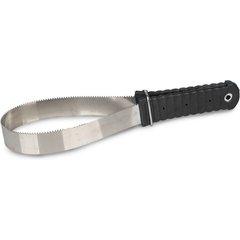
- A shedding blade is a flexible loop of metal with teeth on one side. This tool is best used on less sensitive parts of the equine body, like the hindquarters and shoulders.
Recommended Product
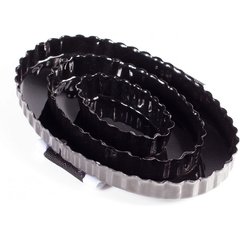
- For really thick or dirty coats, a metal curry comb removes hair mats and dried mud with ease. This tool is best suited for larger, longer-haired areas of the body.
Recommended Product
- Grooming gloves are Trope’s favorite de-shedding tool. “Gloves work so well on sensitive areas like knees, lower legs, necks, backs, and faces,” she says. “It’s like a massage. You’ll have a happy horse who loves you forever.”
Recommended Product

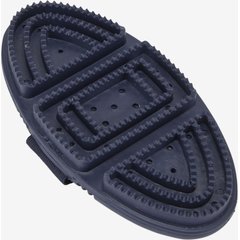
- Every grooming kit should include a rubber or plastic curry comb with long, flexible teeth. This tool is suitable for coats of all lengths.
Recommended Product
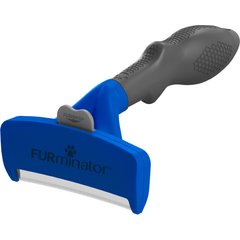
- The Furminator is a dog grooming tool, but it’s also great for horses with thick winter coats. Read the directions and use it gently to avoid scratching your horse’s skin.
Recommended Product
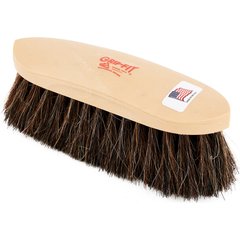
- Use a body brush to flick away hair, dirt, and dander from the surface of the coat after de-shedding.
Recommended Product
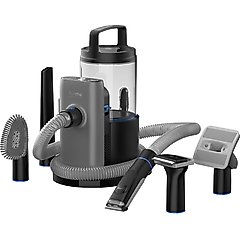
- If you really want to speed up the de-shedding process, consider a grooming vacuum.
Recommended Product
Watch your horse’s body language responses to each grooming tool and adjust your kit accordingly. Hames offers this reminder: “Always put the horse at the forefront of every single job. Every horse has unique requirements. Treat each horse as an individual, and give them what they need.”
Step-by-Step Guide: How to De-Shed a Horse
With time and elbow grease, anyone can de-shed a horse. Start with this simple step-by-step grooming method and make changes as you learn your horse’s individual preferences:
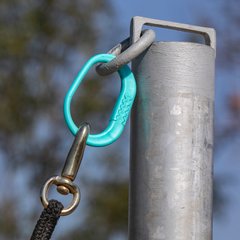
- Choose the right location. Secure your horse at a hitching rail or in cross ties, in a place where you can easily sweep up loose hair. Consider Safe-T-Ties when tying horses to any fixed object.
Recommended Product
2. Use a de-shedding tool to remove loose hair. Sweep your de-shedding tool across the areas where your horse is visibly shedding, avoiding sensitive areas like the legs and face.
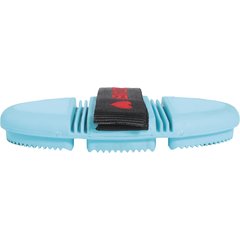
3. Curry the horse in circular motions, in the direction of the hair growth, to bring loose hair and dirt to the surface. Grooming gloves or a gentle curry comb with soft, flexible teeth can be used on the legs and face.
Recommended Product
4. Brush loose hair and dirt off the horse by flicking a soft body brush in the direction of the hair.
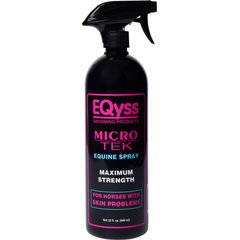
5. Check the horse for skin conditions like scratches, rain rot, and seborrheic dermatitis. Micro-Tek spray treats many common skin problems. Get your vet’s advice about any skin issue that seems painful or is spreading.
Recommended Product
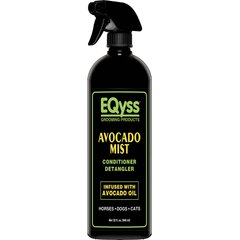
6. Finish with a coat conditioner. Trope recommends EQyss Avocado Mist to keep your horse’s freshly groomed coat soft and sleek.
Recommended Product
Keep a few safety tips in mind as you groom:
- Watch your horse’s body language and back off if they’re uncomfortable.
- Let your horse see and sniff new grooming tools before using them.
- Never stand directly behind a horse.
- Use light pressure with metal de-shedding tools. If you have to push the tool into your horse to remove hair, switch to currying.
Tips for Managing Heavy Shedding Seasons
For a few weeks each spring, muck buckets are filled with shed hair, birds stop by to pick up fluff for their nests, riding bareback turns your riding tights into fur leggings, and anyone unwise enough to wear lip balm to the barn ends up with a mouthful of hair.
A few simple practices can make heavy shedding seasons easier on horses and humans alike:
- Hames’s top tip: groom every horse for at least 10 minutes every day, year-round. Daily grooming means a healthier, cleaner coat, and a clean, healthy coat is easy to de-shed.
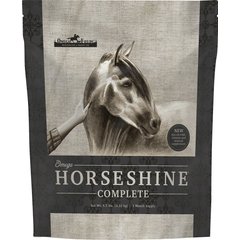
- Healthy coats start with balanced nutrition. Speak to your veterinarian or nutritionist about equine coat supplements like Simply Flax or Trope’s favorite, Omega Horseshine.
Recommended Products

- For horses with long coats that don’t shed, consider testing for metabolic conditions like Cushing’s disease. Hames tells us, “When I’m clipping a horse who’s showing metabolic symptoms, I can tell from the dullness and texture of the coat.”
- Grooming vacuums aren’t just for horses—if you have one on hand, give yourself a good vacuuming after de-shedding your horse.
- Sweep barn aisles and clean stalls and paddocks daily to pick up loose hair.
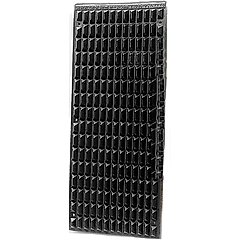
- Install self-scratchers so itchy horses have a safe place to rub.
Recommended Product
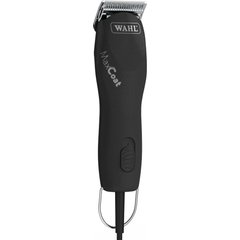
- If your horse attends shows during shedding season, consider speaking to a professional body clipper like Hames about when to schedule a body clip—or take her clipping class and invest in a set of horse clippers yourself.
Recommended Product
- If all else fails, turn shedding season into a game. Organize a de-shedding day at the barn, with a prize for the person who gets the most hair off their horse.
All horses have an internal calendar that tells them when to fluff up for the winter and when to shed out for the summer. Fortunately, there are lots of fun, easy ways to remove shedding hair and reveal a fresh new coat. With a little preparation, you might even find yourself looking forward to shedding season.
FAQs About Horse Shedding
How long does horse shedding last? Horses shed a little bit all year, but shedding peaks for a few weeks at a time as the seasons change in the fall and spring.
What if my horse doesn’t shed properly? Horses who don’t shed may have a metabolic illness like Cushing’s disease (PPID). Talk to your vet about diagnostic blood tests, and consider body clipping if your horse is sweating due to a retained winter coat.
Can I speed up the shedding process? The best way to speed up the horse shedding process is by grooming your horse every day for at least 10 minutes with your favorite de-shedding tools.
Attributions