Horse Grooming Tips for Winter


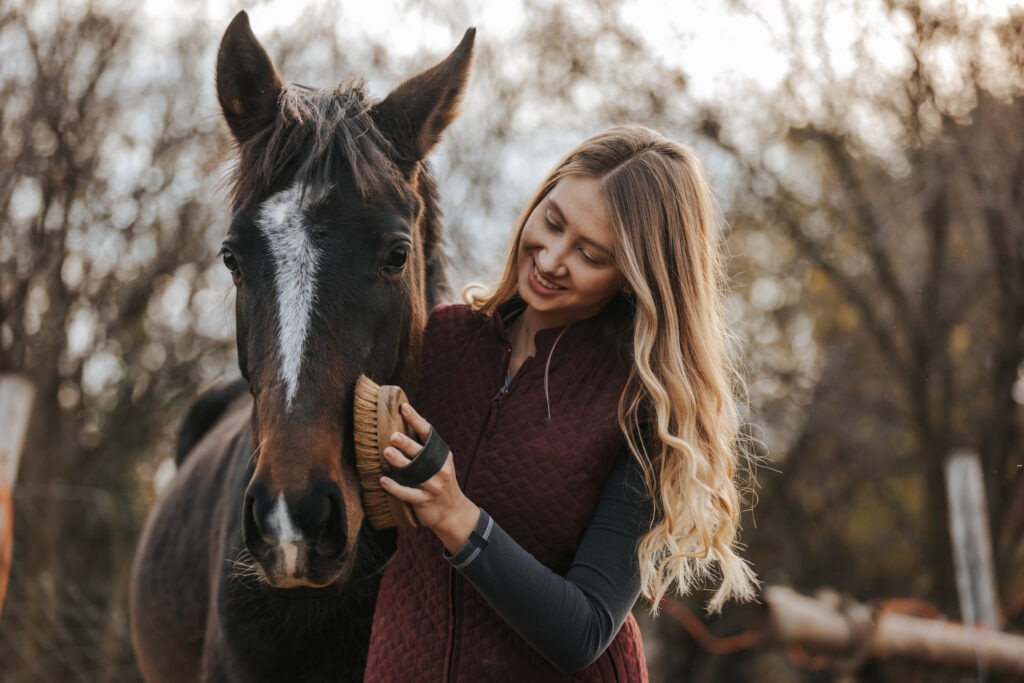
Photo by bojanstory/E+
Shorter daylight hours and colder temperatures often mean less time at the barn. A cold-weather horse grooming routine can help keep your horse healthy and comfortable, even if it’s too cold to ride.
These horse grooming tips for winter can help you get the job done efficiently.
Key Takeaways
- Winter grooming helps maintain skin and coat health while supporting circulation and overall health.
- The right tools make it easier to remove mud and manage tails.
- A regular winter grooming routine helps you spot skin issues, hoof problems, and blanket rubs early.
Understanding Your Horse’s Winter Coat
Horses grow thicker coats in the winter to provide insulation. Less sunlight and colder temperatures signal the body to grow extra hair.
Genetics also influences how much hair a horse grows, and some don’t grow thick coats, explains Cat Hill of Beaver Dams, New York, co-author of “World-Class Grooming and Care for Horses” and an elite groom for over 25 years.
Managing thick horse coats sometimes requires clipping and a plan to avoid overgrooming, which can disrupt the coat’s natural insulation.
“Overgrooming can strip natural oils and flatten the coat, reducing its ability to hold warmth, while clipping removes the insulating hair entirely, making the horse dependent on blankets,” says Theresa Lounsberry, the head hunt seat coach and instructor at Alfred University in Alfred, New York. “Both can limit the horse’s natural ability to regulate body temperature.”
Essential Grooming Tools for Winter
Having the best grooming tools for winter will help you remove mud, lift dirt from dense hair, and stimulate the coat’s natural oils.
Best Brushes for Winter Horse Grooming
Good winter horse care starts with having the right tools in your grooming kit. The best brushes for winter coat maintenance for horses include:
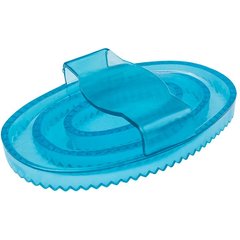
- Rubber curry comb for thick coats
Recommended Product
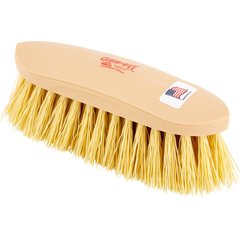
- Hard or stiff brush for removing dried mud and sweat
Recommended Product
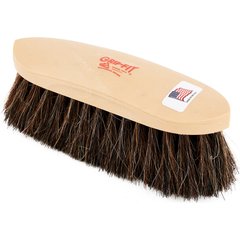
- Soft body brush for sensitive areas
Recommended Product
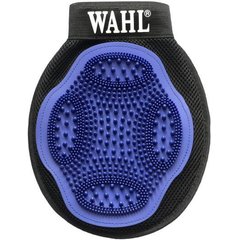
- Grooming mitt for mud removal
Recommended Product
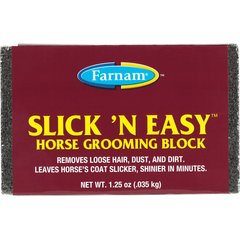
- Grooming block to lift dust and debris to the surface
Recommended Product
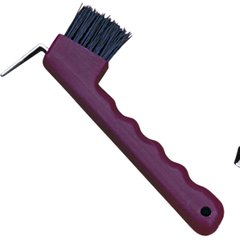
- Hoof pick to clean hooves
Recommended Product
Best Mane and Tail Products for Winter Horse Grooming
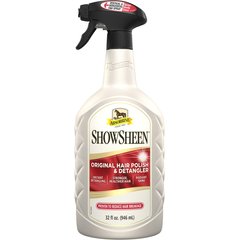
Daily maintenance of a horse’s mane and tail prevents knots, says Lounsberry. She recommends using a detangler like ShowSheen twice per week to condition hair without causing buildup.
Recommended Product
“Always brush from the bottom up, taking your time to avoid breakage,” she says. “Avoid ripping through knots, as this can cause thinning.”
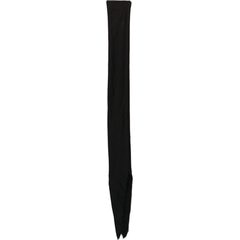
Depending on tail thickness, she suggests loosely braiding or using a tail bag.
Recommended Product
Keep braids below the tail dock and loose enough to avoid irritation, rubbing, and hair loss.
Best Coat Conditioners and Dry Shampoos for Managing Thick Horse Coats
Cold weather and dry air make hair more prone to dryness and static, so your horse grooming kit for winter should include:
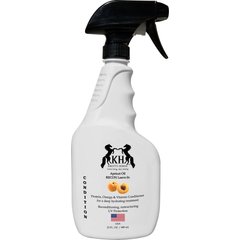
- Leave-in conditioners
Recommended Product
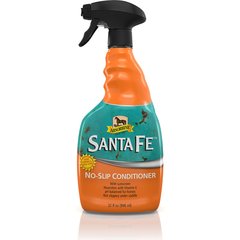
- Spray-on coat conditioners (avoid using silicone-based products on saddle areas)
Recommended Product
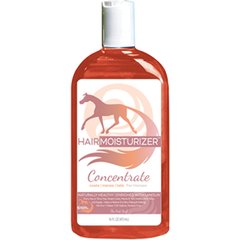
- Coat moisturizers
Recommended Product
Step-by-Step Winter Grooming Routine
These five grooming tips for winter can lift dirt from your horse’s coat, keep the hair soft, and promote overall health.
- Start with Dry Mud Removal
Lounsberry recommends letting mud dry completely before tackling it. She uses a curry comb to break up large clumps of dirt, followed by a stiff brush, and finishes with a soft brush and a towel to remove remaining dust.
“My favorite thing to do when I have caked mud is to use a pin brush, which has a squishy center with metal or plastic pins that have a rounded head,” Hill says. “Those help break the mud up without damaging the coat.”
2. Brush and Massage the Coat
“Currying breaks up sweat, gets to the depth of the coat, and whenever you curry, you’re stimulating both the circulatory and the limbic system,” Hill says. “Horses are really good at keeping themselves warm, but currying makes sure their muscles don’t get sore, and it helps older horses relax their muscles and avoid what we call cold posture, where their feet are together and their muscles are tight to stay warm.”
3. Remember Hoof Care
Daily hoof cleaning and checking for ice buildup are important cold-weather grooming steps. Snow and ice can pack into the hoof, causing discomfort and slipping hazards. Moisture, mud, and freeze–thaw cycles also increase the risk of thrush, bruising, abscesses, and cracks, which are issues you can catch early only by checking hooves every day.
4. Mane and Tail Maintenance
Wind, sleet, and mud can quickly knot manes and tails. Silicone-based products like Show Sheen, sprayed on the tail after detanglers are applied, can make it easier to detangle knots, prevent mud balling on tail ends, and provide a moisture barrier.
“The mane provides a large amount of protection against the weather, so you don’t want to take that away,” Hill says. “If possible, use acrylic-based products, which mimic natural weatherproofing.”
5. Check for Skin Conditions
Every horse winter grooming routine should include running your bare hands over your horse’s coat to check for any skin conditions.
Common skin conditions in horses include:
Bathing a Horse in Cold Weather
Bathing horses in cold weather is only recommended when necessary or when you have warm water, a heated space, and time to dry the horse fully.
“There have been a few studies that show getting your horse’s legs wet in the winter, even if done with warm water, can drop their core temperature up to 10 degrees, and it can take four to five hours to bring their temperature back up to their happy spot,” Hill says. An adult horse’s body temperature should be between 99.5 F and 101.5 F.
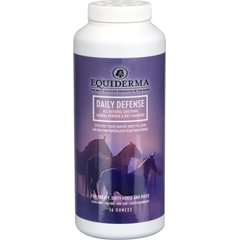
Hot toweling and waterless shampoos are safe alternatives to bathing horses in cold weather.
Recommended Product
“I’m a huge fan of hot toweling because it brings blood flow to the surface of your horse’s skin and creates warmth,” says Hill. “We use a mixture of Shapley’s Light Oil, shampoo, and dish soap in warm water. Then we wring the towel out until it’s almost dry and rub it all over our horses.”
Lounsberry opts for spot-cleaning horses with warm water and waterless shampoos or stain removers when it’s too cold to bathe.
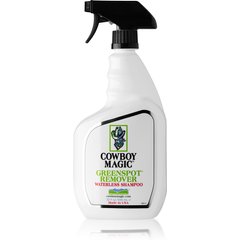
“GreenSpot Remover is one of my favorites, especially for our gray horses,” she says.
Recommended Product
Body Clipping Horses in Winter
Deciding whether to clip a horse during the winter depends on several factors. Hill’s approach: clip only what’s necessary and keep as much coat as possible.
“From a comfort and health perspective, the only horses who would need a full clip are those in elite speed work, or because you’re competing and need your horse to look a certain way,” Hill says.
At Alfred University, most of the lesson horses receive a full body clip because they are ridden four to five times a week, are used in Intercollegiate Horse Shows Association events, and live in a heated barn.
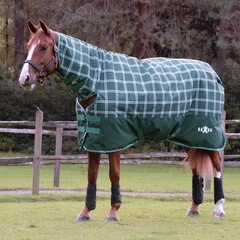
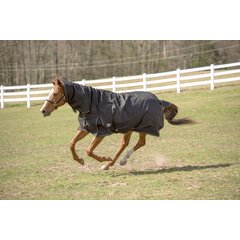
For the horses who live outdoors 24/7, Lounsberry opts for a trace clip, paired with the right horse blanket for the temperature.
Recommended Products
Winter grooming supports your horse’s overall health and keeps them looking their best throughout the season. Even if you’re not riding regularly, take time to groom. It helps you spot problems early and strengthens your bond with your horse.
Attributions