Bloat in Guinea Pigs: Causes, Symptoms, and When To Get Help


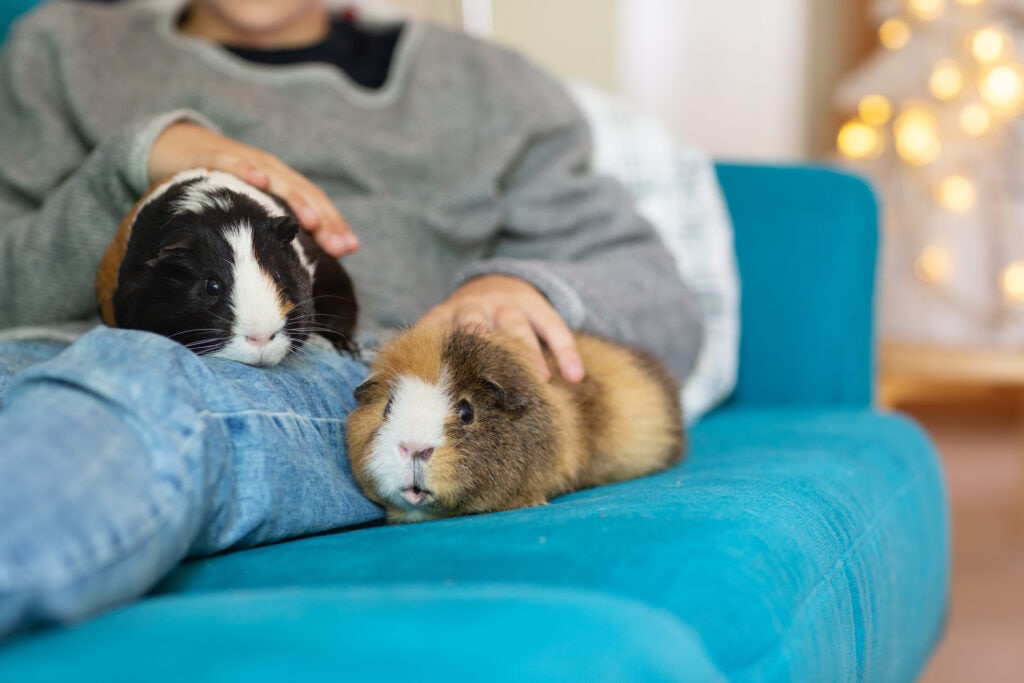
Photo by SilviaJansen/iStock/Getty Images Plus
Bloat in guinea pigs is a medical emergency that requires prompt attention.
Although mild gas production can be a normal part of digestion, excessive gas buildup can dilate the stomach or intestines, interfere with normal gut movement, and cause severe discomfort.
Guinea pigs have delicate digestive systems that depend on constant movement and fiber intake.
When something disrupts that process—whether it’s diet, illness, pain, or stress—gas can become trapped. Understanding what bloat is, how it develops, and when to act can help protect your guinea pig’s health.
Key Takeaways
- Bloat in guinea pigs develops when gas builds up in the digestive tract and can’t move through normally, leading to pain and dangerous pressure in the abdomen.
- While guinea pigs produce gas as a normal part of digestion, they can’t relieve significant gas buildup on their own.
- Because bloat can progress rapidly and become life-threatening, it’s important to recognize the signs early and seek veterinary care as soon as possible.
What Is Bloat in Guinea Pigs?
Bloat in guinea pigs occurs when gas accumulates in the stomach or intestines and cannot pass through the digestive tract normally, often due to gastrointestinal stasis. This trapped gas increases pressure inside the abdomen, slows digestion, and causes pain.
Unlike mild, temporary gas, bloat creates a cycle in which discomfort reduces appetite, which slows digestion further, allowing gas to continue building. Because guinea pigs cannot vomit and have limited ability to relieve trapped gas, this condition can escalate quickly without treatment.
Do Guinea Pigs Pass Gas?
Guinea pigs do produce gas as part of normal digestion, especially as fiber ferments in the gut. However, they cannot effectively pass large amounts of gas when digestive movement slows.
When gas becomes trapped or cannot dissipate easily, it stretches the digestive tract and contributes to pain and reduced gut motility (movement).
This is why significant gas buildup can quickly lead to bloat and gastrointestinal stasis (slow GI movement) rather than resolving on its own.
What Causes Bloat in Guinea Pigs?
Bloat is usually triggered by an underlying issue that interferes with normal digestion. In many cases, more than one factor may be involved.
Diet plays a significant role. Sudden changes in food, inadequate fiber intake, or feeding too many gas-producing vegetables can disrupt the balance of bacteria in the gut and slow digestion.
Without enough grass hay, the digestive tract doesn’t receive the constant stimulation it needs to keep food moving.
Recommended Products


Gastrointestinal stasis is another common term for bloat because slowed intestinal movement can allow gas to build up.
When gut movement slows for any reason—such as pain, stress, or illness—gas can build up rapidly.
Dental disease can also lead to bloat if mouth pain causes a guinea pig to eat less, reducing fiber intake and slowing digestion.
Stress and illness can further increase the risk.
Environmental changes, separation from a bonded companion, or an underlying medical condition can affect gut motility and appetite, setting the stage for gas buildup.
Signs and Symptoms of Bloat in Guinea Pigs
Guinea pigs with bloat often show a combination of physical and behavioral changes.
The abdomen may appear swollen or distended and may feel firm or tight to the touch. Many guinea pigs with bloat eat less or stop eating entirely and produce fewer or smaller droppings.
Other signs can include lethargy, a hunched posture, teeth grinding, or signs of pain when moving or being handled. Symptoms can worsen quickly, and a guinea pig who at first appears only mildly uncomfortable may decline rapidly without treatment.
Is Bloat in Guinea Pigs an Emergency?
Yes—bloat in guinea pigs is considered a medical emergency and requires immediate veterinary care.
As gas pressure increases, it can further slow digestion, worsen pain, and interfere with blood flow to vital organs. When the stomach fills with gas and fluid it can also rotate and cause a gastric dilatation volvulus (GDV), which without prompt treatment, decompression, and surgery can often be fatal.
Without prompt treatment, bloat can lead to worsening gastrointestinal stasis, shock, GDV, or even death. Because guinea pigs hide pain well, waiting to see if symptoms improve on their own can be extremely dangerous.
What To Do If You Suspect Bloat
If you suspect your guinea pig has bloat, contact an exotic or small animal veterinarian right away.
Time is critical, and professional treatment is necessary to relieve pain, restore gut movement, and address the underlying cause.
Avoid attempting home remedies or giving human medications, as these can be unsafe or delay proper care.
Gentle handling is important, and do not aggressively massage the abdomen unless directed to do so by a veterinarian.
Be prepared to share information about your guinea pig’s diet, appetite, droppings, recent changes, and behavior. This can help your vet determine the best course of action.
How Veterinarians Treat Bloat in Guinea Pigs
Treatment for bloat depends on its severity and underlying cause. Veterinarians often focus first on pain management, as pain can further slow digestion.
Medications such as metoclopramide or cisapride may be used to improve gut motility and can help move gas through the digestive tract under controlled conditions.
Supportive care may include fluids to prevent dehydration and stabilize circulation.
Diagnostic imaging, such as X-rays, may be used to assess gas buildup, gut movement, or other contributing conditions.
If dental disease, dietary issues, or illness are involved, those problems will also be addressed as part of treatment.
Can Bloat Be Prevented in Guinea Pigs?
While not all cases of bloat can be prevented, proper daily care can significantly reduce the risk.
Guinea pigs should always have unlimited access to grass hay, which provides the fiber needed to keep digestion moving normally. Limit high gas-producing vegetables such as broccoli, cauliflower, and cabbage.
Diet changes should be made gradually, and gas-producing foods should be fed in moderation.
Routine veterinary care, including dental checks, can help pet parents catch problems early. Reducing stress, maintaining a consistent routine, and keeping bonded guinea pigs together whenever possible also support healthy digestion.
When To Contact a Veterinarian
Contact a veterinarian immediately if your guinea pig has a swollen or firm abdomen, stops eating, produces few or no droppings, or shows signs of pain or distress.
Even mild symptoms can progress quickly, and early intervention offers the best chance for recovery.
FAQs About Bloat in Guinea Pigs
Can bloat resolve on its own in guinea pigs?
No. Bloat typically requires veterinary treatment and is unlikely to resolve without intervention. Since bloat can quickly progress and become life-threatening, immediate veterinary care is critical.
Is gas the same as bloat in guinea pigs?
No. Mild gas can be normal, but bloat involves trapped gas that causes pain and disrupts digestion.
Can diet changes cause bloat?
Yes. Sudden diet changes or low fiber intake can increase the risk of bloat.
How fast does bloat progress in guinea pigs?
Bloat can worsen within hours, making early veterinary care critical.
Are some guinea pigs more prone to bloat?
Guinea pigs with dental disease, digestive issues, or high stress levels may be at greater risk of developing bloat.
This article was created with assistance from AI tools. The content has been reviewed for accuracy and edited by a human.
Attributions