Vitamin C Deficiency in Guinea Pigs: What It Is and How To Prevent It


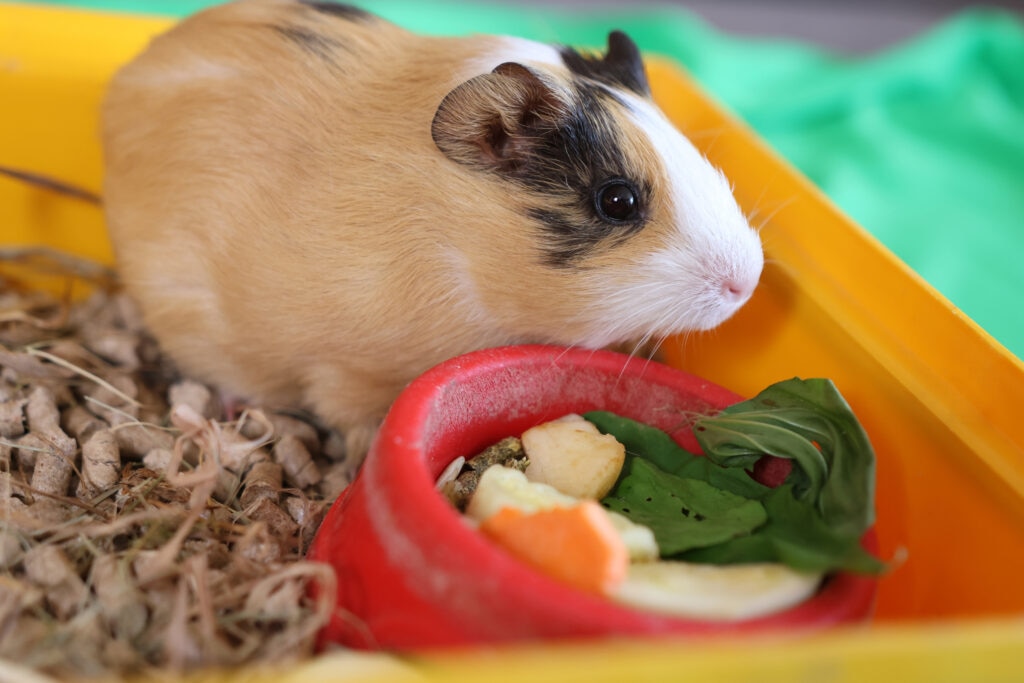
Photo by VASYL MYKHAILENKO/iStock/Getty Images Plus
Guinea pigs can’t make their own vitamin C—they must get this essential nutrient entirely from their diet. Without it, they’re at risk for getting vitamin C deficiency (also called scurvy), which can be painful and life-threatening if left untreated.
Vitamin C deficiency in guinea pigs is preventable, but pet parents need some know-how and consistency to avoid it.
In this guide, you’ll learn why vitamin C in guinea pigs is so important, how to spot deficiency symptoms, what causes it, and how to treat and prevent it through diet, supplements, and veterinary care.
Key Takeaways
- Guinea pigs must get vitamin C from food or supplements—they can’t make it on their own.
- Symptoms of vitamin C deficiency in guinea pigs include poor coat quality, joint pain, lethargy, and bleeding gums.
- A healthy diet that includes fresh vegetables and fortified pellets can help prevent deficiency.
- Talk to your vet before starting supplements, especially if your guinea pig is pregnant, ill, or elderly.
Why Guinea Pigs Need Vitamin C
Vitamin C (ascorbic acid) plays a very important role in guinea pig health. It’s involved in making collagen, which helps maintain the structure of skin, joints, and blood vessels. It also supports the immune system, helps with iron absorption, and contributes to overall well-being.
Because guinea pigs can’t create vitamin C internally, their daily diet must consistently supply it. If this doesn’t happen, the effects can show up quickly—typically within two to three weeks.
How much vitamin C does a guinea pig need?
On average, healthy adult guinea pigs require about 10–30 mg of vitamin C daily. Pregnant, nursing, or sick guinea pigs may need more—up to 50 mg per day.
Ask your vet to help you figure out the right amount based on your pet’s specific needs.
Signs of Vitamin C Deficiency in Guinea Pigs
Vitamin C deficiency—or scurvy—can show up in many ways. Often, the signs are subtle or hard to see at first but worsen over time. Here are common symptoms to watch for:
- Lethargy or decreased activity: Your guinea pig may seem tired, withdrawn, or less interested in play or interaction.
- Swollen joints or difficulty walking: Affected guinea pigs may limp, wince when touched, or resist being picked up.
- Weight loss and reduced appetite: Vitamin C deficiency can cause pain and discomfort, leading to poor eating habits.
- Rough or thinning fur: Their coat may appear dull, patchy, or brittle.
- Bleeding or swollen gums and loose teeth: This is often due to weakened connective tissue in the mouth.
- Poor wound healing or increased infections: Their immune system is compromised (weakened) without enough vitamin C.
These symptoms may overlap with other health problems, so it’s best to have your guinea pig examined by a veterinarian if anything seems off.
Causes of Vitamin C Deficiency in Guinea Pigs
Most cases of scurvy in guinea pigs come down to diet and a lack of fresh produce or high-quality, fortified food.
Common causes of vitamin C deficiency in guinea pigs include:
- Feeding only non-fortified pellets: Some small animal foods are not made for guinea pigs and may not have added vitamin C.
- Poor storage of food: Vitamin C degrades over time, especially when exposed to light, air, and heat. Pellets that are more than 90 days old may have lost much of their potency.
- Lack of fresh vegetables: Leafy greens and colorful veggies are important sources of naturally occurring vitamin C.
- Illness or stress: Guinea pigs that are sick, pregnant, nursing, or under stress may have increased vitamin C needs that outpace their intake.
- Unreliable supplementation: Water additives are often unstable and may discourage drinking. Tablets or chews designed for guinea pigs are more reliable.
How To Treat and Prevent Vitamin C Deficiency
Offer Fresh, Vitamin C–Rich Produce
Feeding your guinea pig a variety of fresh vegetables every day is the best way to prevent deficiency. Some top choices include:
- Bell peppers (especially red and green)
- Kale
- Parsley
- Romaine lettuce
- Broccoli
- Cilantro
- Dandelion greens
Speak with your exotic veterinarian about the appropriate serving size for your specific pig. Be sure to rotate types to provide a balanced nutrient profile and prevent boredom.
Use Fortified Pellets
Choose pellets made specifically for guinea pigs. These usually have stabilized vitamin C to support daily needs. Avoid rabbit pellets or generic small–animal foods—they often lack this vital nutrient.
Recommended Products

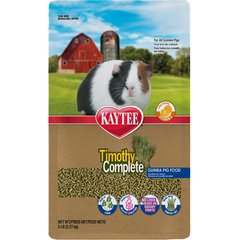

Look for a “best by” date and store food in a cool, dry place, sealed tightly. Discard any pellets older than three months, even if they haven’t expired yet.
Add a Reliable Supplement
If your guinea pig is recovering from illness or isn’t eating enough vitamin C–rich foods, a supplement can help bridge the gap. Use products made for guinea pigs and avoid multivitamins that have potentially harmful extras.
Multivitamins are often unnecessary, because with a balanced diet and vitamin C supplementation guinea pigs do not need a multivitamin. Adding in a multivitamin can be harmful because guinea pigs can then get too much of certain vitamins, fat soluble vitamin A and D, which can build up in the body and cause toxicity.
Sticking with just a vitamin C supplement daily is most ideal unless directed otherwise by your primary veterinarian.
Recommended Product

Avoid vitamin C drops in water unless directed by your vet, as the vitamin loses potency quickly and may affect water taste, leading to your guinea pig drinking less.
When To See an Exotic Veterinarian
If you suspect your guinea pig has vitamin C deficiency, schedule a veterinary visit right away. Scurvy is a progressive condition, and early treatment can reverse symptoms before permanent damage happens.
Your vet may prescribe oral or injectable vitamin C, along with supportive treatments, such as pain relief or fluids if your pet is dehydrated. In severe cases, hospitalization may be needed.
Don’t attempt to treat deficiency solely at home—while diet and supplements are essential, a vet’s diagnosis is key to ruling out other conditions and guiding treatment.
FAQs About Guinea Pigs and Vitamin C
Can guinea pigs get too much vitamin C?
Yes. Too much supplementation can lead to urinary issues, such as kidney stones. Stick to vet-recommended doses and avoid doubling up on fortified foods and supplements without guidance.
Do all guinea pigs need vitamin C supplements?
Not necessarily. If your guinea pig eats high-quality, fortified pellets and fresh produce daily, they may not need extra supplements. However, older, pregnant, or sick guinea pigs may benefit from extra vitamin C.
What are the easiest ways to give guinea pigs vitamin C?
Chewable tablets, fortified food, and daily vegetables are the most effective ways. Avoid water-soluble drops unless prescribed and never rely just on them.
Attributions
This article was created with assistance from AI tools. The content has been reviewed for accuracy and edited by a human.