Guinea Pig Pregnancy: What To Expect and How To Care for a Pregnant Guinea Pig


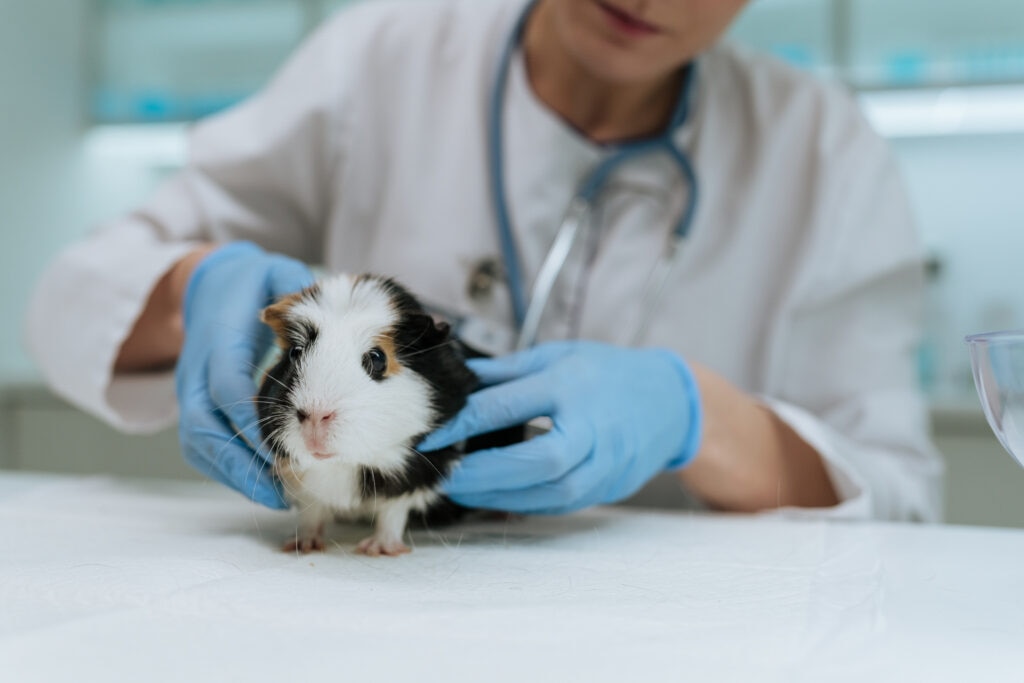
Photo by janiecbros/E+
Guinea pig pregnancy can be surprising, especially since many pregnancies are unplanned. Unlike some small animals, guinea pigs have long pregnancies and can experience serious complications without proper care.
Because of these risks, pregnancy in guinea pigs should always be taken seriously.
Whether you intentionally bred your guinea pig or unexpectedly discovered that your guinea pig may be pregnant, knowing what to expect—and how to care for a pregnant guinea pig—can make a significant difference in outcomes for the mother and her babies.
Key Takeaways
- Guinea pig pregnancy differs from that of many other small pets and requires close monitoring.
- Guinea pigs have a relatively long gestation period and face higher health risks, particularly if the pregnancy is unplanned or occurs at an unsafe age.
- Understanding guinea pig pregnancy length, recognizing pregnancy signs, and knowing when to contact a veterinarian can help support the health of the mother and her babies.
What Is Guinea Pig Pregnancy?
Guinea pig pregnancy occurs when a female guinea pig becomes pregnant and carries developing babies, called pups, until birth.
While pregnancy is a natural process, it is considered higher risk in guinea pigs than in many other small pets.
Guinea pig pregnancy is more complex because the babies are born highly developed. Guinea pig pups are born with fur, open eyes, and the ability to walk shortly after birth.
This advanced development contributes to a longer pregnancy and to increased physical demands on the mother.
How Long Is a Guinea Pig Pregnancy?
Guinea pig pregnancy length typically ranges from 59 to 72 days, with most pregnancies lasting around 68 days. This gestation period is much longer than many people expect, especially compared to other rodents.
Several factors can influence guinea pig pregnancy length, including litter size and the individual guinea pig’s health.
Pregnancies with fewer pups may last slightly longer, while larger litters may be delivered a bit earlier. In unplanned pregnancies, it can be difficult to determine exactly when breeding occurred, which makes predicting the due date more challenging.
Signs of Pregnancy in Guinea Pigs
Early signs of guinea pig pregnancy can be subtle and easy to miss. During the first few weeks, a pregnant guinea pig may not look noticeably different. As pregnancy progresses, however, gradual weight gain and a growing abdomen become more apparent.
Later in pregnancy, you may notice that your guinea pig’s belly feels firm and that her sides appear rounded rather than pear-shaped.
Some pregnant guinea pigs may eat more, rest more often, and move more carefully as their pregnancy advances. Because these signs can overlap with health issues, any suspected pregnancy should be confirmed by a veterinarian.
Health Risks Associated With Guinea Pig Pregnancy
Guinea pig pregnancy carries significant health risks, especially for guinea pigs who are bred too young or for the first time after 6 to 8 months of age.
As female guinea pigs mature, their pelvic bones can fuse, making delivery more difficult and increasing the risk of complications during labor.
Potential pregnancy-related complications include pregnancy toxemia, difficult or prolonged labor, and stillbirths. These risks make veterinary guidance critical throughout pregnancy. Prompt medical care can be lifesaving if complications arise.
Caring for a Pregnant Guinea Pig
Proper care during guinea pig pregnancy focuses on nutrition, environment, and veterinary oversight.
Nutrition During Guinea Pig Pregnancy
Pregnant guinea pigs have higher nutritional needs to support their own health and the development of their pups.
Unlimited access to high-quality grass hay, such as timothy and orchard grass, is essential, as it supports digestion and dental health.
Recommended Products


During pregnancy and nursing, adding in alfalfa hay is also critical to provide extra calcium to support milk production and healthy pup development.
Recommended Product

Pregnant guinea pigs also need to receive adequate vitamin C, which is vital for guinea pig health since they can’t produce it on their own.
Recommended Products


Diet changes should be made gradually, and sudden increases in treats or rich foods should be avoided.
Overfeeding or offering inappropriate foods can contribute to digestive upset or excessive weight gain.
Housing and Environment
A calm, low-stress environment is especially important during pregnancy. The enclosure should be clean, spacious, and free from hazards.
Rough handling should be avoided, particularly later in pregnancy, when the guinea pig’s abdomen is more vulnerable.
In some cases, it may be necessary to separate a pregnant guinea pig from male cage mates to prevent further breeding.
However, bonded female companions can often remain together if they are calm and compatible.
Veterinary Care
If you suspect guinea pig pregnancy, an exotic veterinary visit is strongly recommended.
A veterinarian experienced with small or exotic pets can help confirm pregnancy, assess health risks, and provide guidance on care.
Immediate veterinary attention is needed if a pregnant guinea pig stops eating, becomes lethargic, or shows signs of pain or distress.
What To Expect During Labor and Birth
Labor in guinea pigs is often relatively quick, especially compared to the long pregnancy. Many guinea pigs give birth without human intervention, often during the day or overnight.
Signs that labor is beginning may include restlessness, stretching, or visible contractions. Guinea pig pups are typically born fully furred and with open eyes and can move shortly after birth.
The mother usually cleans the pups and allows them to nurse soon after delivery.
When Labor Becomes an Emergency
While some guinea pig births proceed smoothly, labor can become an emergency if it does not progress normally.
Signs of trouble include prolonged straining without delivering a pup, visible distress, heavy bleeding, or extreme lethargy.
Because delays during labor can be dangerous for both the mother and her pups, any concerns during delivery should be evaluated by a veterinarian immediately.
Caring for Guinea Pig Babies After Birth
Newborn guinea pigs are precocial, meaning they are born well-developed. They begin nursing soon after birth but may also start nibbling hay and solid food within a few days.
It’s important to monitor the mother and babies closely after birth.
Ensure that the mother is eating, drinking, and producing droppings normally. Babies should appear active and steadily gain weight.
Male and female pups should be separated by sex at an appropriate age around 3 weeks old to prevent early breeding.
Preventing Unplanned Guinea Pig Pregnancy
Unplanned guinea pig pregnancy is common and often preventable. Properly sexing guinea pigs before housing them together is essential, as males and females can breed at a young age.
Babies should be separated by sex before they reach sexual maturity, and males should never be housed with females unless breeding is intentional and carefully planned.
Any decisions about spaying or neutering should be thoroughly discussed with a veterinarian experienced in guinea pig care.
When To Contact a Veterinarian
Contact a veterinarian if you suspect guinea pig pregnancy, have concerns about your guinea pig’s health during pregnancy, or notice signs of trouble during labor or after birth.
Loss of appetite, lethargy, difficulty breathing, or visible pain should always be treated as urgent concerns.
FAQs About Guinea Pig Pregnancy
How long does guinea pig pregnancy last?
Guinea pig pregnancy length is typically between 59 and 72 days, with an average of about 68 days.
Is guinea pig pregnancy dangerous?
Yes. Pregnancy carries higher risks in guinea pigs than in many other small pets, especially without veterinary care.
How many babies do guinea pigs usually have?
Most guinea pigs have between one and four pups, though litter sizes can vary.
Can I touch newborn guinea pig babies?
Yes, gentle handling is usually safe, but it should be kept to a minimum, especially in the first days.
How soon can a guinea pig get pregnant again after giving birth?
Guinea pigs can become pregnant again quickly after delivery, sometimes within hours. This makes separating the mother and pups from male guinea pigs critical.
Attributions
This article was created with assistance from AI tools. The content has been reviewed for accuracy and edited by a human.