What Vegetables Can Guinea Pigs Eat?


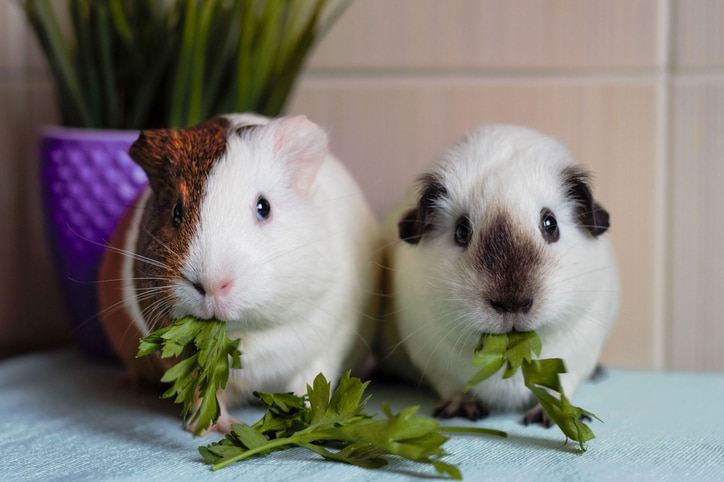
Photo by Aleksandra Levkovskaya/iStock/Getty Images Plus
Guinea pigs love to nibble on fresh foods, but not every vegetable is safe for them. While veggies can be an important part of a guinea pig’s diet, some should only be fed in moderation.
So what vegetables can guinea pigs eat safely? From bell peppers to parsley, learn what veggies are safe—and which ones are off-limits.
The current outbreak of Cyclospora in humans may have pet parents worried about whether or not their guinea pig could get infected with this organism.
The good news is that human cyclosporiasis, caused by the organism Cyclospora cayetanensis, seems to be specific to humans and there is no evidence that guinea pigs can get infected.
Despite this, always thoroughly wash any greens and veggies before offering them to your pets.
Before introducing any new food into your guinea pig’s diet, always check with your veterinarian.
Key Takeaways
- Guinea pigs can eat many vegetables safely, but only in moderation.
- Hay should make up most of your guinea pig’s diet, along with a small daily portion of pellets. Fresh vegetables add important nutrients and variety.
- Some vegetables, such as onions and garlic, are toxic to guinea pigs and should always be avoided.
- Talk to your veterinarian before offering your guinea pig new foods.
What Do Guinea Pigs Eat?
Before diving into which veggies are safe, it helps to understand what guinea pigs need to be healthy.
A healthy guinea pig diet includes:
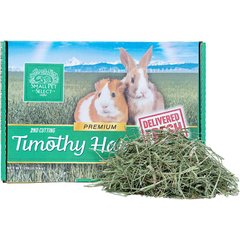
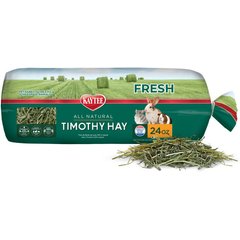
- Daily unlimited grass hay, such as timothy hay, orchard grass hay, or meadow hay
Recommended Products
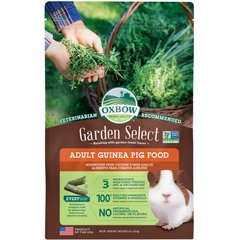
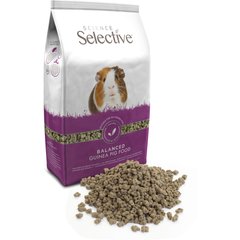
- A small daily amount of fortified guinea pig pellets with vitamin C (a crucial vitamin for your pig because their bodies don’t produce it on their own)
Recommended Products
- Daily fresh vegetables for added nutrients and variety
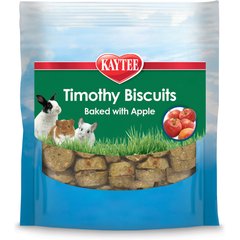
- Occasional guinea pig-safe fruit (like apples, strawberries, and blueberries) or store-bought treats
Recommended Products

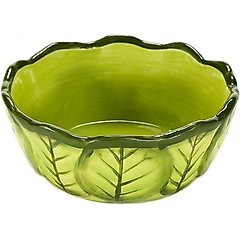
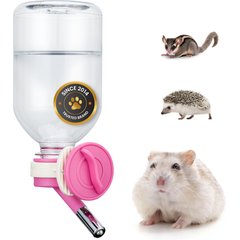
- Fresh, clean water in a heavy ceramic bowl or water bottle
Recommended Products
Hay is the most important part of a guinea pig’s diet. It supports digestion by providing them with fiber to keep things moving, and it keeps their always-growing teeth worn down.
Vegetables should never replace hay or pellets. Instead, they’re more of a bonus treat that provides moisture, vitamin C, and novelty.
What Vegetables Can Guinea Pigs Eat?
Many vegetables are safe for guinea pigs when fed in moderation. Fresh veggies can provide important nutrients and variety, but they should be rotated and offered alongside unlimited hay and pellets.
Guinea-pig-safe vegetables include:
- Bell peppers
- Romaine lettuce
- Green leaf lettuce
- Red leaf lettuce
- Cilantro
- Parsley
- Cucumber
- Zucchini
- Green beans
- Celery leaves
- Endive
- Radicchio
Even safe vegetables should be rotated. Feeding the same vegetable every day can increase the risk of nutrient imbalances or digestive problems, since too many water-rich vegetables can cause stomach upset.
Plus, guinea pigs who do not get enough vitamin C from supplements or vegetables, such as bell peppers, are at risk for developing scurvy.
A lack of vitamin C can lead to swollen joints, bleeding issues, weakness, dental issues, and sometimes even death if left untreated for too long with complications.
Some veggies are safe for guinea pigs but are better offered only once or twice a week. These include:
- Spinach (high in calcium, which can contribute to bladder or kidney stones if fed too often)
- Kale (also high in calcium)
- Tomato (higher in acid and natural sugars, which can lead to an upset stomach; remove leaves and stems when feeding)
- Broccoli
- Cauliflower
- Cabbage
Many cruciferous veggies, like broccoli, cauliflower, and cabbage, can lead to gas and bloating, so they are best offered sparingly. Ask your veterinarian for advice.
What Vegetables Can Guinea Pigs Not Eat?
Some vegetables are unsafe for guinea pigs and should be avoided because of toxicity, choking risk, or digestive upset. For example, iceberg lettuce has no nutritional value, is mostly water, and can cause digestive upset, while onions and garlic are toxic and potentially fatal.
Guinea pigs should never eat:
- Onion
- Garlic
- Leeks
- Chives
- Shallots
- Potatoes
- Potato peels
- Tomato leaves or stems
- Mushrooms
- Rhubarb
- Iceberg lettuce
If your guinea pig accidentally eats one of these veggies, head to your nearest emergency veterinarian. You can call Pet Poison Helpline (855-764-7661) on the way.
How To Feed Your Guinea Pig Vegetables
Vegetables should be prepared and served safely to protect your guinea pig’s health.
You should always:
- Wash all vegetables to remove dirt and pesticide residue.
- Cut vegetables into small, easy-to-nibble pieces so they’re not a choking hazard.
- Serve vegetables raw, not cooked, to promote wearing down your pig’s teeth.
- Introduce new vegetables slowly, one at a time.
- Remove uneaten vegetables from your guinea pig’s enclosure after a few hours to prevent spoilage.
Many vegetables are safe for guinea pigs when fed in moderation.
Most guinea pigs can have about 1 cup of mostly leafy vegetables per day, split into one or two feedings.
Guinea pig treats are also a good way to help your guinea pig get their veggies. These shouldn’t be everyday treats, but they can be a novel offering for your pig.
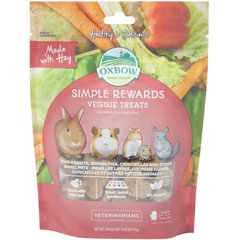
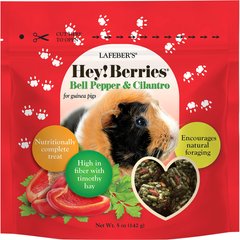
Try Oxbow Simple Rewards, Exotic Nutrition Green Pea Flakes, or Lafeber Hey!Berries Bell Pepper & Cilantro Guinea Pig Treats.
Recommended Products

What To Do If Your Guinea Pig Eats Too Many Veggies
Too many vegetables can upset a guinea pig’s sensitive digestive system, especially foods that are high in sugar or likely to cause gas.
Here are some signs that your guinea pig may have overdone it on the veggies:
- Soft stool or diarrhea
- Bloating or a swollen belly
- Lethargy
- Loss of appetite
- Gas or discomfort
If symptoms are severe, last longer than a day, or include loss of appetite, call your veterinarian immediately. Digestive problems in guinea pigs can become serious quickly and may be life-threatening.
If symptoms are mild, stop feeding your guinea pig any vegetables and make sure they have plenty of hay and fresh water available. Unlimited hay can help support healthy digestion while their system settles.
Remember, moderation is key. Regularly feeding too many veggies can lead to chronic diarrhea, nutritional imbalances such as too much calcium or too little vitamin C, and digestive issues.
That said, an occasional veggie treat can still delight your guinea pig—and earn you a happy chorus of wheeks.
FAQs About Vegetables That Guinea Pigs Can Eat
Can guinea pigs eat tomatoes?
Yes, guinea pigs can eat tomatoes—but not all parts. Guinea pigs can eat the ripe fruit of a tomato in small amounts, but the leaves and stems are toxic and should never be eaten.
Can guinea pigs eat cabbage?
Yes, guinea pigs can eat a small portion of cabbage—occasionally. Cabbage can cause gas and bloating in some guinea pigs, so it’s not an everyday food.
Can guinea pigs eat broccoli?
Yes, broccoli is safe for guinea pigs to eat in small portions, but it may cause gas and should not be fed every day.
Can guinea pigs eat carrots?
Yes, guinea pigs can eat carrots, but because they’re high in natural sugar, they should only be offered in very small amounts as an occasional, once-weekly treat.
Attributions
This article was created with assistance from AI tools. The content has been reviewed for accuracy and edited by a human.