Can Hamsters Eat Blueberries?

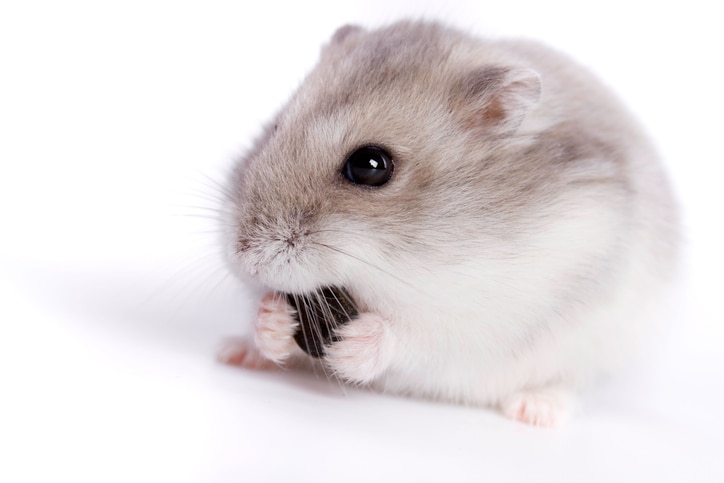
Photo by Adam Smigielski/E+
Those tiny paws. That twitchy nose. If you’re snacking on blueberries, chances are your hamster has noticed—and they’re curious to try one. But can hamsters eat blueberries safely?
Yes, hamsters can eat blueberries—but only in moderation. Here’s what to know before offering blueberries to your hamster.
Before introducing any new food into your hamster’s diet, always check with your veterinarian.
Key Takeaways
- Hamsters can eat blueberries in small amounts as an occasional treat.
- Blueberries are high in natural sugars, so overfeeding can lead to weight gain and increase diabetes risk.
- Offer only fresh, washed blueberries—never canned, dried, or sweetened varieties.
- Feeding too much blueberry can cause digestive upset or contribute to obesity and diabetes, so moderation is essential.
Can Hamsters Have Blueberries?
Yes, hamsters can have blueberries. Choose fresh berries and rinse them thoroughly to help remove dirt and pesticide residue. While organic options may reduce pesticide exposure, they’re not completely pesticide-free.
Avoid canned blueberries, blueberry pie filling, dried blueberries, or anything with added sugar or artificial sweeteners, as these products are higher in sugar and may contain additives that can upset your hamster’s digestive system or increase diabetes risk.
You can also offer your hamster store-bought treats that contain blueberries, such as:
Recommended Products


Are Blueberries Good for Hamsters?
In small amounts, these antioxidant-rich berries can be a safe and tasty treat. Blueberries contain:
- Antioxidants to protect cells and keep your hamster healthy
- Fiber to support healthy digestion
- Vitamin C to support a healthy immune system
- Vitamin K for healthy circulation
Are Blueberries Bad for Hamsters?
Blueberries aren’t toxic to hamsters, but their high natural sugar content can contribute to obesity and diabetes—especially dwarf hamsters, who are genetically more prone to diabetes.
Too many blueberries can also cause short-term digestive upset, and offering a whole blueberry can be a choking hazard.
Potential risks of blueberries for hamsters include:
- Diarrhea or digestive upset (more likely with overfeeding)
- Weight gain (with frequent or excessive portions)
- Increased risk of diabetes, especially in predisposed species (with excess sugar intake)
- Spoiled food leading to bacterial growth (if left in the enclosure too long)
- Choking risk if fed whole instead of cut into smaller pieces
If your hamster has a sensitive stomach or a history of diarrhea, limit or avoid fruit and consult your veterinarian.
How Many Blueberries Can Hamsters Eat?
Because hamsters are so tiny, even half a blueberry can be a generous serving.
Start with a very small piece and monitor your hamster for 24 hours the first time they eat a blueberry.
Below is a general feeding guide, but refer to your veterinarian for personalized advice:
| Hamster Species | Portion Size | Frequency |
|---|---|---|
| Syrian | ½–1 blueberry | 1–2 times per week |
| Dwarf | ½ blueberry | 1 time per week |
How To Safely Feed Blueberries to Your Hamster
Follow these simple steps to keep treat time safe:
- Rinse blueberries under running water to remove dirt and pesticide residue.
- Cut blueberries in half to reduce choking risk and make portion control easier.
- Remove uneaten pieces from your hamster’s enclosure. Blueberries have high moisture content, so hidden pieces can spoil quickly and grow mold or bacteria.
My Hamster Ate Too Many Blueberries—What Do I Do?
If your hamster eats too many blueberries, you might notice:
- Diarrhea
- Loss of appetite
- Not drinking water
- Hunching over (from stomach discomfort)
- Soft, wet, or sticky fur around their bottom (also known as wet tail, a bacterial overgrowth that can be fatal)
If you notice any of these signs, take the following steps:
- Remove any leftover blueberries from their enclosure.
- Avoid fruit and watery vegetables for the next 48 hours.
- Make sure fresh water is always available.
- Monitor them closely for changes in behavior or stool.
If your hamster still has symptoms after 24 hours, call your veterinarian or head to the emergency vet.
What Other Fruits Can Hamsters Eat?
Here are some other tasty fruits that are safe for your hamster—but before serving, always remove seeds, pits, cores, rinds, and stems.
- Apples
- Bananas
- Blackberries
- Cranberries
- Cantaloupe
- Cherries
- Papayas
- Peaches
- Pears
- Pomegranate
- Strawberries
- Watermelon
These fruits are also featured ingredients in popular store-bought hamster treats. Some of our favorites include:
Recommended Products



What Fruits Are Unsafe for Hamsters?
On the flip side, some fruits are best kept off your hamster’s menu. Certain varieties can upset their delicate digestive systems or even be a choking risk. Fruits to avoid include:
- Citrus fruits
- Dragon fruit
- Mango
- Grape
FAQs About Hamsters and Blueberries
Can hamsters eat dried blueberries?
It’s best to skip dried blueberries. When fruit is dried, the sugar becomes more concentrated—so even a tiny piece packs a much sweeter punch than fresh fruit. Because hamsters are already prone to weight gain and diabetes, it’s safer to stick with fresh berries.
Are blueberry stems toxic to hamsters?
No, blueberry stems are not toxic to hamsters, but they shouldn’t be offered. They’re tough to chew and may retain more pesticides than the blueberry after washing.
Attributions
This article was created with assistance from AI tools. The content has been reviewed for accuracy and edited by a human.