How To Manage Rabbit Molting: Tips and How To Help Your Pet

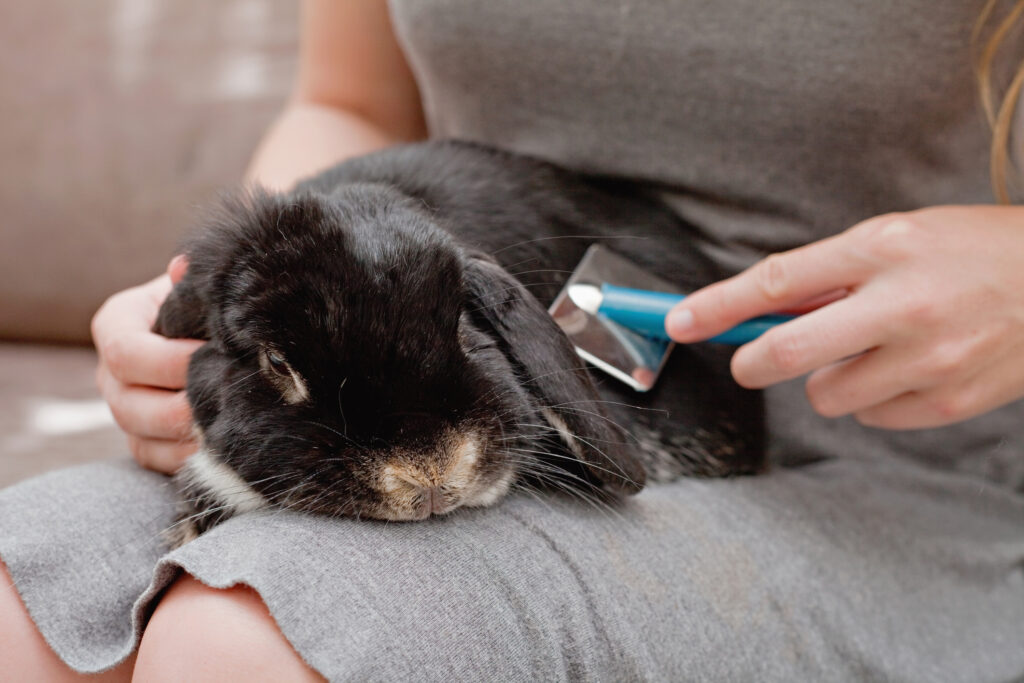
Photo by Christa Boaz/iStock/Getty Images Plus
While rabbit shedding, or rabbit molting, is normal, it’s important to distinguish this natural process from hair loss or rabbit alopecia.
If you’ve noticed fur floating around your home or clumps of fur coming loose when you pet your rabbit, that can be completely normal.
During a molt, rabbits will shed their old coat so they can grow in a new one, which helps keep them protected and allows them to adjust their coat thickness based on seasonal temperature changes.
Key Takeaways
- Rabbit molting is a normal, seasonal process that helps rabbits maintain a healthy coat and regulate body temperature, typically occurring in spring and fall.
- Regular grooming—especially daily brushing during heavy sheds—helps reduce loose fur and prevents your rabbit from ingesting excess hair.
- A high-fiber diet, proper hydration, and daily exercise are essential to support digestion and lower the risk of dangerous hairball blockages.
Why and When Do Rabbits Shed?
Rabbit molting is a natural process where old fur is shed and replaced with new fur as part of the hair growth cycle. This cycle helps maintain a healthy coat that regulates temperature and protects their delicate skin—especially on the feet.
Rabbits typically experience two major molts each year, in the spring and fall. In the spring, they shed their thicker winter coat to prepare for warmer weather. During the fall, they shed their lighter coat to grow a thicker, denser one for colder temperatures. Molting usually starts at the head and moves toward the belly and rear, often creating a “moth-eaten” appearance over the hind end.
Rabbits may also shed lightly year-round as part of the normal hair cycle, which includes growth, rest, and shedding phases—like daily hair loss in people. During seasonal molts, more hair follicles shift into the growth phase in response to changes in temperature and daylight, helping push out old fur and replace it with new.
How Long Does Rabbit Shedding Last?
This whole molting process typically lasts about two to six weeks. During this time—usually in spring and fall—you can expect increased shedding and loose fur.
Some light, ongoing shedding throughout the year is normal and helps maintain a healthy coat, if it isn’t excessive.
How To Manage Rabbit Shedding
Managing shedding in rabbits focuses on removing loose fur before your bunny grooms and ingests it. Daily brushing during heavy molts is ideal, while brushing every two to three days is usually sufficient the rest of the year.
Small animal-specific brushes designed for delicate rabbit skin work best.
Recommended Product
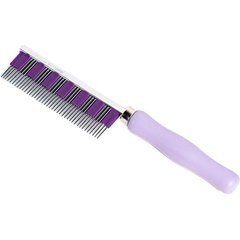
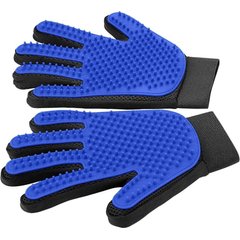
Rubber grooming gloves are also effective for removing loose fur, and fine–toothed combs are best for long–haired rabbits.
Recommended Product
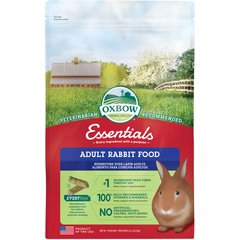
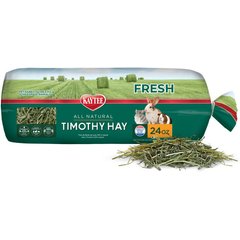
A healthy, high–fiber diet with unlimited grass hay supports digestion and helps move any ingested fur through the digestive tract.
Recommended Products
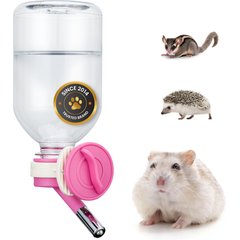
Providing fresh water and leafy greens also helps to maintain normal digestion motility through hydration.
Recommended Products
Daily exercise—at least three to four hours outside the enclosure—helps keep the digestive system moving and reduces boredom, which can lead to overgrooming.
Risks and Hairball Prevention
Unlike cats and dogs, rabbits can’t vomit hairballs.
If they ingest too much fur during molting, it can accumulate and form a blockage called a trichobezoar. These are not digestible and can become life-threatening if they don’t pass through the digestive system. In severe cases, surgery may be required.
Even without a full blockage, ingesting excess fur can contribute to gastrointestinal stasis, where the digestive system slows down and stops functioning properly.
Signs that your rabbit may be having digestive issues, including gastrointestinal stasis or a trichobezoar, include:
- Decreased appetite
- Lethargy
- Hunched posture
- Reduced activity
- Fewer or smaller droppings
If you notice any of these signs, seek care from an exotic veterinarian immediately, as rabbits can decline quickly.
To help prevent these issues, brush your rabbit daily during heavy molts and every two to three days otherwise. Provide unlimited grass hay, fresh water, and daily exercise (at least three to four hours) outside the enclosure.
Monitor your bunny’s fecal output, food intake, and energy levels daily. If you notice sudden changes, have your rabbit evaluated by an exotic veterinarian.
FAQs About Rabbit Molting
How long does rabbit shedding last?
Most rabbit shedding seasons last about two to six weeks, typically in the spring and fall.
Why is my rabbit shedding so much?
Heavy shedding is usually due to seasonal coat changes for warmer or colder weather. Indoor lighting and temperature fluctuations can also affect shedding.
Do bunnies shed when stressed?
Bunnies may shed more when stressed or ill. Sudden or excessive hair loss outside of normal seasonal molts—especially when paired with itchiness—should be examined by your veterinarian.
Attributions