How To Keep Your Rabbit Cool in the Summer


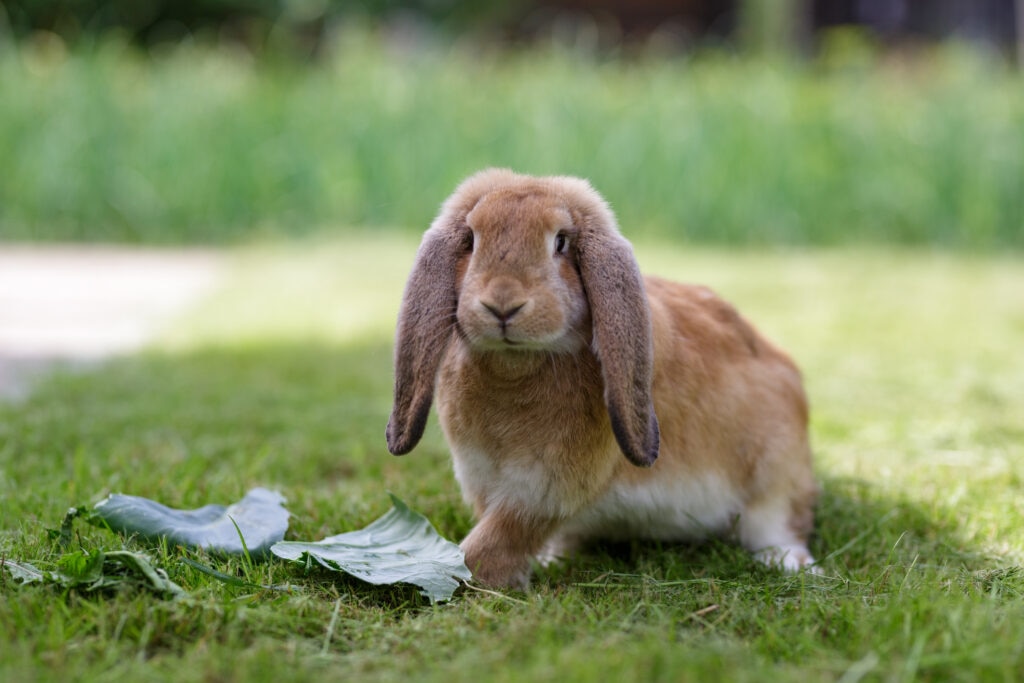
Photo by Anton Nikitinskiy/iStock/Getty Images Plus
When temperatures start climbing, it’s not only dogs and cats who feel the heat—rabbits do too.
And because our long-eared friends can’t pant like dogs or sweat like humans, hot weather can quickly become dangerous.
Fortunately, with a few thoughtful adjustments and some proactive planning, you can help your bunny stay safe, comfortable, and content, even during a heat wave.
Here’s what you need to know about how to keep rabbits cool in summer.
How Hot Is Too Hot for Rabbits?
Rabbits are built for cooler climates. In the wild, they spend much of their time underground in burrows, where temperatures stay relatively cool and stable.
According to Susan J. Tyson, VMD, MS, DABVP (Avian), owner of Avian & Exotic Philly Vet Medical Surgical Clinic, in Philadelphia, the ideal environmental temperature for rabbits is 60–70 F.
She breaks it down this way:
- Ideal temperature: 60–70 F
- Caution: 80–84 F
- Danger: 85 F and above
- Serious heatstroke risk: 90 F and above, especially with high humidity
Dr. Tyson explains that rabbits are highly susceptible to overheating because they lack functional sweat glands.
They also don’t pant effectively, and their thick fur coat limits evaporative heat loss, making it difficult for them to cool themselves.
Some rabbits are especially vulnerable to overheating, including:
- Flat-faced (brachycephalic) breeds
- Overweight rabbits
- Senior rabbits
- Rabbits with underlying health conditions
- Rabbits housed outdoors
Humidity, poor ventilation, and direct sunlight exposure further increase risk.
What Are the Risks of a Rabbit Overheating?
“The big risk is heatstroke, which is a true emergency,” says Heather Bjornebo, DVM, DABVP (Reptile-Amphibian Practice), practice owner of Tree of Life Exotic Pet Medical Center, in Phoenix, Arizona. “Once a rabbit’s core temperature climbs high enough, you’re not just dealing with discomfort—you’re dealing with organ damage.”
Dr. Bjornebo explains that heatstroke can trigger a cascade of serious complications, including dehydration, shock, clotting disorders, kidney injury, GI stasis, neurologic dysfunction, and death.
“Rabbits can crash fast,” she says. “The prognosis for recovery from heatstroke in rabbits is not very good, and many won’t make it.”
What Are the Signs of Heatstroke in Rabbits?
“Early signs are subtle,” Dr. Bjornebo says. “They get quiet and less interactive. They may stretch out flat and breathe faster, and their ears will feel warm because they’re trying to dump heat.”
As overheating progresses, symptoms become more severe. Dr. Bjornebo says that pet parents may notice:
- Increased respiratory effort
- Weakness
- Drooling
- Disorientation
“Open-mouth breathing is an emergency in a rabbit,” she emphasizes. Without immediate intervention, a rabbit may collapse, and recovery becomes much more difficult at that point.
If you observe these signs, seek veterinary care right away.
How You Can Keep Your Rabbit Cool in Summer
Because a rabbit’s ability to cool themself is extremely limited in warm or hot weather, Dr. Bjornebo explains that they depend on their caregivers to provide a safe, temperature-controlled environment when temperatures rise.
So, how do you keep rabbits cool in the summer? Here are the steps you can take to help protect your pet rabbit from the heat.
Keep Your Rabbit Inside
According to Christine Austin, DVM, staff veterinarian for House Rabbit Society in Richmond, California, the safest and easiest way to protect your rabbit is to keep them indoors in a temperature-regulated space.
If possible, house your rabbit on the lowest level of your home during heat waves, since heat rises and upper floors tend to be warmer.
Use Air Conditioning and Circulate the Air
Air conditioning is one of the most effective ways to regulate temperature during extreme heat.
If AC isn’t available, Dr. Austin recommends providing indirect airflow.
“A ceiling fan or fan can provide airflow and decrease room temperature,” she says. “Just make sure the fan is not blowing directly on the rabbit.”
Recommended Product
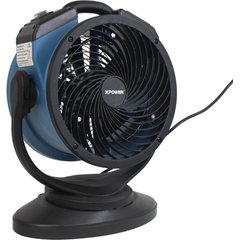
Good airflow helps prevent stagnant, humid conditions that can worsen overheating.
Offer Plenty of Fresh, Cool Water
Hydration is especially important in hot weather, so ensure your rabbit always has access to fresh water.
Although some rabbits prefer bottles, most experts recommend providing water in a bowl rather than a bottle.
This is because rabbits may have difficulty getting enough water from a bottle, and the drinking position can be unnatural or uncomfortable.
Opt for a large, heavy bowl or dish that is sturdy enough to resist tipping, such as the Ethical Pet Stoneware Crock Ceramic Dish.
Recommended Product

Also, avoid giving your rabbit ice cubes, cold water, or frozen treats. Sudden temperature extremes can disrupt a rabbit’s sensitive digestive system and potentially cause GI stasis (where the digestive system slows down or stops moving properly).
Provide Ample Shade
If your rabbit spends time outside, ensure their enclosure provides constant shade throughout the day—not shade that shifts away as the sun moves.
Indoors, keep habitats away from direct sunlight streaming through windows, which can significantly raise temperatures.
Provide Ceramic or Marble Tiles
Dr. Austin suggests ceramic or marble tiles as a simple, affordable cooling solution.
“These come in several sizes and range in price from $1 to $5,” she says. “Simply place the tiles in the freezer for a few hours and pull out a single tile at the beginning of the day.” Rabbits can lie on these tiles to cool themselves.
Dr. Austin recommends keeping three to four tiles on hand so you can rotate them throughout the day as they warm up.
Spritz Cool Water Behind Your Rabbit’s Ears
According to Dr. Bjornebo, rabbits rely on the large network of blood vessels in their ears to help dissipate heat. However, she explained that this system only works when the surrounding air is cooler than the rabbit’s body. Once ambient temperatures rise too high, thiscooling mechanism becomes ineffective.
A light mist of cool (not cold) water behind your rabbit’s ears may help provide temporary relief but avoid soaking the fur. Additionally, Dr. Tyson warns against placing ice directly on a rabbit’s ears or submerging an overheated rabbit in water, as doing so can trigger shock.
Provide Frozen Water Bottles (Wrapped in a Towel or Sock)
Frozen water bottles are another cost-effective way to help your rabbit beat the heat.
Dr. Austin advises filling bottles about three-quarters full, since water expands when frozen. Wrap the bottle in a thick sock or towel before placing it in your rabbit’s space.
“The addition of the sock or towel not only helps with comfort but ensures your rabbit does not get frostbite,” she explained.
Brush Your Rabbit To Remove Excess Fur
Regular grooming removes loose undercoat that can trap heat, particularly in long-haired breeds.
Recommended Products


Avoid shaving your rabbit unless directed by a veterinarian, as their coat plays an important role in temperature regulation.
Use Less Bedding During the Summer Months
Thick, insulating bedding can trap heat. During warmer months, opt for lighter, breathable materials. Instead of deep fleece or dense bedding, consider:
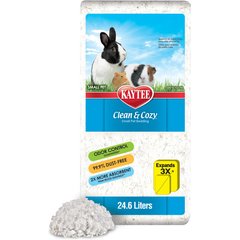
- A thin layer of paper-based bedding, such as Kaytee Clean & Cozy Small Animal Bedding
Recommended Product
- Light cotton fabric (without loops that might snag nails), flat sheets, newspaper, or cardboard (changed frequently)
The goal is to reduce heat retention while keeping your rabbit comfortable and their space clean.
The Bottom Line on How To Keep Rabbits Cool in the Summer
Rabbits are far more sensitive to heat than many pet parents realize, and once they begin to overheat, they can decline quickly.
Preventive steps, such as maintaining a cool indoor space, providing proper hydration, and offering safe cooling options, can make all the difference during hot weather.
If you suspect your rabbit is overheating, contact your veterinarian or head to a pet emergency clinic immediately. Acting quickly could save your bunny’s life.
Attributions