What To Know About Cardinals, According to Bird Experts

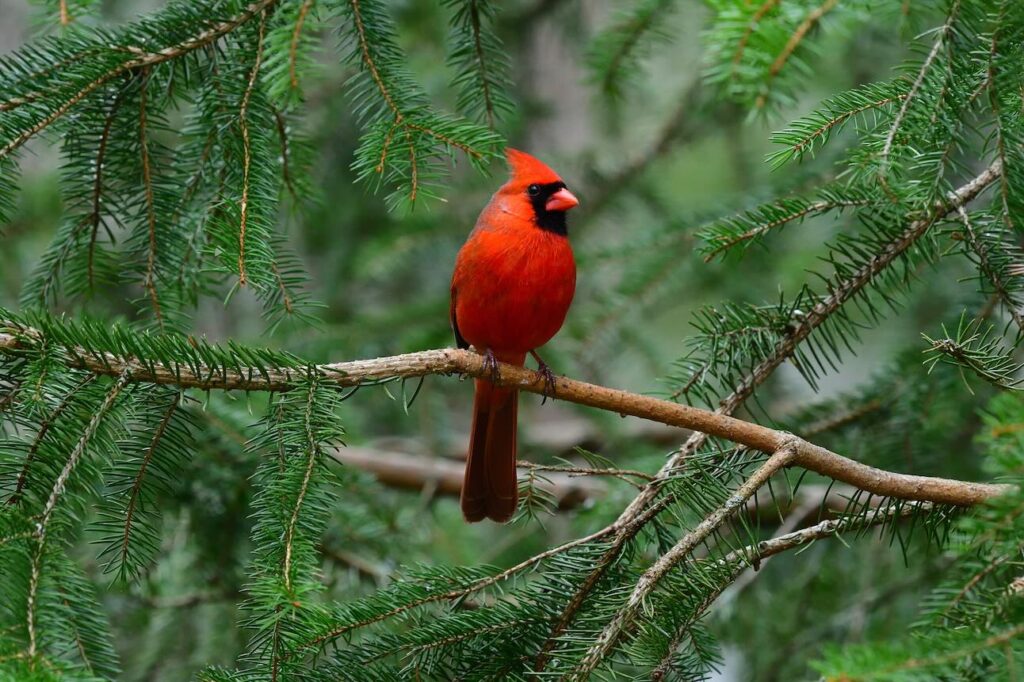
Photo by Robert Winkler/E+
The red cardinal we all recognize—also called the northern cardinal—is a bird species in the Cardinalidae family native to the eastern United States, southern Canada, and parts of Mexico. Cardinals eat a wide variety of foods and are known to visit many types of bird feeders.
Here’s everything you need to know to better understand these beautiful birds—and how to attract them to your yard—according to expert ornithologists.
Key Takeaways
- Cardinals are crested songbirds native to North America.
- Male cardinals are bright red, while female cardinals are gray-brown with muted red coloring on their wings, tail, and crest.
- Cardinals do not migrate long distances, so you might see them year-round in much of the Eastern U.S.
- To attract cardinals to your yard, offer a variety of bird feeders and plant native shrubs.

What Is a Cardinal?
The northern cardinal is one of the most common bird species in North America, says Maria Kincaid, an ornithologist at FeatherSnap. This is “due to their broad distribution and ability to use a variety of different habitats,” she explains.
Cardinals are known for their bright red color and impressive vocal abilities. Both male and female cardinals sing, and they even have regional accents, says Anna Matthews, GIS coordinator for the American Bird Conservancy.
“While their songs across the range share the same kind of structure or pattern of notes, the notes that they sing can sound very different depending on where you are,” she says. “The next time you travel to an area that has cardinals, listen to see if you notice the difference.”
Male vs. Female Cardinals
The red color most people associate with cardinals is actually a male-only characteristic. Female and male cardinals both have a striking crest, black face mask, and orange bill, but female cardinals are “dull gray-brown, with red at the wings, tail,crown, and sometimes on the face,” Kincaid says.
“The red coloration comes from carotenoid pigments in their diet, so if they’re eating foods with a lot of carotenoids in them, they’ll be a very bright red,” Matthews adds.
Both male and female cardinals can be territorial, especially in the spring, says Matt Medler, an ornithologist with the Cornell Lab of Ornithology.
These birds might attack their reflection in windows or car mirrors and “view their reflection as a strange intruder into their territory, and often spend hours ‘battling’ them,” Medler says.
Where Do Cardinals Live?
Cardinals live throughout the eastern United States, as well as parts of Mexico and southern Canada. They can be found, “as far west as southern Minnesota and South Dakota down to western Texas. There is also a part of their range that extends into parts of New Mexico and Arizona,” Matthews says.
Within these regions, cardinals seek out dense shrubs for nesting and tall trees for singing, so “they’re right at home in backyards, hedgerows, overgrown fields, and forest edges,” Medler says.
Do Cardinals Migrate?
Unlike some birds that migrate in the spring and fall, cardinals do not migrate.
“They’ll generally disperse away from where they were hatched, but there’s no evidence of long-distance movements,” Kincaid says. “They’ll also often move short distances seasonally, likely in relation to food availability.”
And because these colorful birds stay in the same general area year-round, Kincaid says they “don’t put a huge amount of energy into preparing for and executing a long migration.” This allows cardinals to have a longer breeding season and potentially produce more young.
What Do Cardinals Eat?
One of the cardinal’s most notable traits is the wide variety of foods in their diet.
“Because of their large seed-crushing bill, we tend to think of them as seed eaters, but they will also eat a variety of grains, seeds, buds, fruits, and insects,” Kincaid says.
Cardinals commonly eat:
- Sunflower seeds
Recommended Product

- Safflower
Recommended Product

- Peanuts
- Berries
- Suet
Recommended Product

- Corn
- Insects, including beetles, grasshoppers, crickets, butterflies, and moths
Cardinals put all that food to good use, too, particularly in winter.
“In preparation for winter, they’ll increase the amount of food that they eat,” Kincaid says. “But rather than use it for energy for a long southward flight, they build a layer of fat which helps them survive and stay warm in the colder months.”
How To Attract Cardinals
To attract cardinals to your yard, offer feeders filled with their preferred foods. Cardinals will visit many types of feeders, including platform, tube, and hopper feeders, as well as seed scattered on the ground.
Recommended Products



No matter which feeder you choose, make sure it has a perch sturdy enough to support a cardinal’s relatively large size.
Feed isn’t the only thing that attracts these birds. Your yard’s layout and plant life are also important factors a cardinal will consider before making your home their home.
“Landscaping with native plants is a great way to attract cardinals and other birds to a yard,” Medler says. “Cardinals usually stick to dense tangles—it provides them with protection from predators, and in the spring, potential nesting sites. A backyard setup that combines bushes and shrubs with nearby feeders is a good recipe for attracting cardinals.”
FAQs About Cardinals
What is the lifespan of the northern cardinal?
Cardinals typically live between two to six years, but the oldest known northern cardinal lived more than 15 years, Kincaid says.
How can you tell if a cardinal is a boy or a girl?
Color is the key indicator. Male cardinals are bright red, while female cardinals are mostly gray-brown with red or orange accents on the crest, wings, and tail, Medler says.
Do cardinals prefer certain trees?
Cardinals prefer dense, shrubby vegetation, but the specific plant type doesn’t matter much. This kind of cover “provides protection from predators and, in spring, potential nesting sites,” Medler says.