Where To Place Bird Feeders in Your Yard

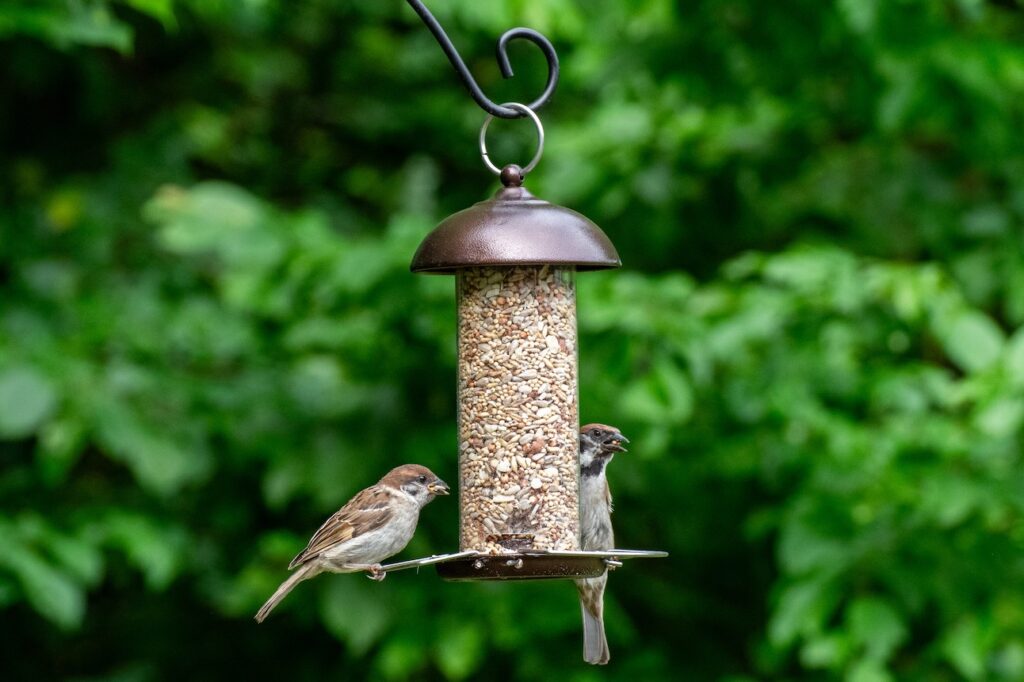
Photo by LindaE/iStock/Getty Images Plus
Bird watching enthusiasts know how important it is to select the right type of bird feeder and seed mix to attract your favorite species. But did you know where you place bird feeders can be just as vital (if not more!) to encourage wildlife to visit?
Key Takeaways
- Proper bird feeder placement helps protect birds from predators and reduces window collisions.
- Feeders should be placed near cover but away from reflective surfaces.
- The 5-7-9 rule helps deter pests like squirrels and raccoons.
Where To Put a Bird Feeder
Frank Izaguirre, birding expert and digital communications manager for the American Birding Association, says there are two main factors to consider with bird feeder placement: bird safety and your own enjoyment.
“People placing feeders most likely want them to be visible from at least one window in their home, but you want the feeders not to be a death trap for birds also,” he says.
The best place to position a bird feeder is within 10–15 feet of cover like shrubs, bushes, or trees, says ornithologist Maria Kincaid of FeatherSnap.
However, that advice changes if the feeder is close to a reflective surface like glass windows or doors. If that’s the case, Kincaid recommends placing the feeder either less than 3 feet or more than 10 feet away.
“Less than 3 feet means that they can’t build up the momentum to hurt themselves should they fly into the window, and more than 10 feet makes it less likely they’ll hit the window at all,” she says.
The best place to position a bird feeder is within 10–15 feet of cover like shrubs, bushes, or trees.
Izaguirre recommends keeping bird feeders even farther away from reflective surfaces—more like 25 feet away or more. But if you must place the feeder within 3 to 25 feet, “it’s essential to treat the windows with decals designed to deter window strikes,” he says. “Screened windows or windows with netting also work.”
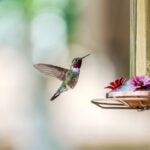
When it comes to certain birds that don’t use a seed feeder, like hummingbirds, you may want to place their feeder more out in the open, Kincaid says.
“Hummingbirds still need cover and perching spots, but because they feed on flowers, it’s best to put them somewhere just a bit more open than I would a seed feeder,” she says.
However, no matter what type of bird feeder you have, avoid placing it near a busy road, Izaguirre says.
It’s also important to consider how often you’ll need to clean, refill, or otherwise maintain the bird feeder and ensure you place it in a spot that’s easy to access.
“Bird feeders, no matter the type, should be cleaned and sanitized regularly to not only avoid feeding potentially spoiled food, but to help stop the spread of infectious diseases,” Kincaid says.
Where To Place Bird Feeders To Deter Pests and Predators
Proper bird feeder placement also helps keep feathered friends out of reach of certain predators and pests, like outdoor cats, hawks, squirrels, and raccoons.
Cats
Kincaid suggests placing feeders close enough to cover that birds can get away quickly if needed, but far enough away from good hiding spots for cats so they can’t easily sneak up on the birds.
If you have a feline member of the family, keep them inside. This is for their own safety—there are a lot of dangers outdoor cats face—but also for the safety of the neighborhood birds.
“Cats kill an estimated 2 billion birds a year, so everything we can do to help mitigate these losses helps,” Kincaid says.
Hawks and Other Aerial Predators
Placing your feeder near cover (like shrubs, bushes, and trees) can give the birds a quick escape route if an attack comes from above. But it’s also a balancing act:
“Placing your feeder near some sort of cover helps your visitors to feel safe enough that there’s a place to get to if something dangerous comes by, but having it slightly open allows for the birds to take note of their surroundings,” Kincaid says.
Squirrels and Raccoons
The 5-7-9 rule is a good metric to follow, meaning place your feeder:
- 5 feet above the ground
- 7 feet from vertical structures (like tree trunks)
- 9 feet from overhanging structures or tree branches
This makes it harder for squirrels or raccoons to access your bird feeder.
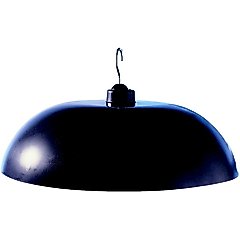
However, if that’s not an option for you, both Izaguirre and Kincaid suggest using a baffle instead.
Recommended Product
Where To Hang Bird Feeders
If you have a hanging feeder, place it at least 5 feet off the ground and attach it to a pole instead of hanging it from a tree limb.
Recommended Product
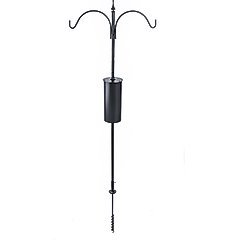
“Feeders hung from trees are not as good as feeders hung from poles because you can’t mount a baffle, and predators, squirrels, and raccoons have better access to the feeder,” Izaguirre says.
How To Attract Birds to Your Feeders
In terms of attracting different bird species, Izaguirre says it’s good to start small. He recommends:
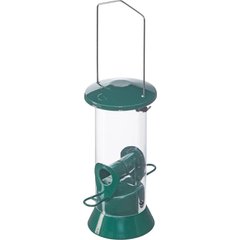
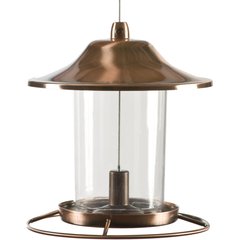
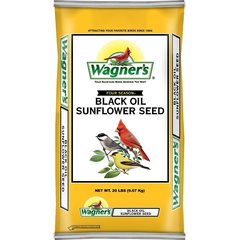
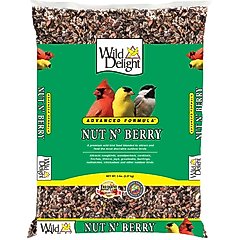
- Tube feeders or hopper feeders with sunflowers or mixed seed for attracting common songbirds
Recommended Products
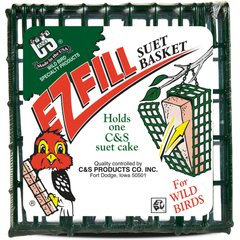
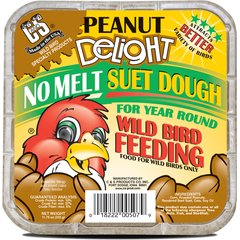
- Suet cakes to bring in woodpeckers or nuthatches
Recommended Products
- Feeders with jams or oranges can bring orioles and other fruit-loving species
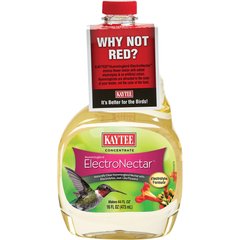
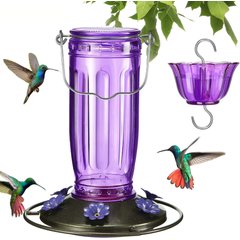
- Hummingbird feeders with nectar to bring in hummingbirds
Recommended Products
Izaguirre also suggests placing feeders at least a few feet away from each other to avoid overcrowding and aggressive behavior, especially if you have feeders that attract similar species. Spacing out feeders also reduces the risk of disease transmission among the birds, he says.
No matter where you place your bird feeders, Kincaid urges bird enthusiasts to not get discouraged if you don’t see a lot of visitors right away.
“It can take a few weeks for birds to not only find your feeders, especially if you’ve not had any out before, but decide that they’re safe, so be patient,” he says.
FAQs About Bird Feeder Placement
What is the 5-7-9 rule for bird feeders?
The 5-7-9 rule recommends placing bird feeders 5 feet from the ground, 7 feet from fences or vertical structures, and 9 feet from overhanging structures like tree branches. This rule is meant to deter squirrels.
How far from the house should a bird feeder be?
Try to place bird feeders either less than 3 feet or more than 10 feet from the house if you have glass windows or doors near the feeder so birds don’t fly into the glass and hurt themselves.
Should bird feeders be in the sun or shade?
Partial sun is best, according to both Izaguirre and Kincaid. This keeps the birds safer from predators, and it’s especially important if you’re using a nectar feeder, Kincaid says, because direct sunlight can spoil the nectar more quickly.