Sort
Filter
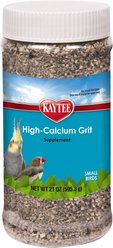

$5.59 Chewy Price
($0.27/oz) Price per Unit
$6.99 List Price
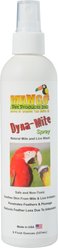

$10.00 Chewy Price
($1.25/fl oz) Price per Unit
$9.50 Autoship Price
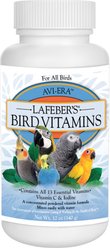
$2.59 Chewy Price
($0.44/oz) Price per Unit
$2.46 Autoship Price
$9.99 Chewy Price
($9.99/oz) Price per Unit
$9.49 Autoship Price

$12.39 Chewy Price
$13.89 List Price
$11.77 Autoship Price
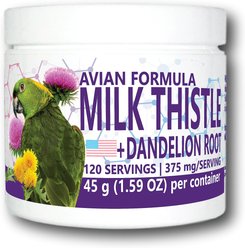
$24.89 Chewy Price
($15.66/oz) Price per Unit
$26.32 List Price
$23.65 Autoship Price
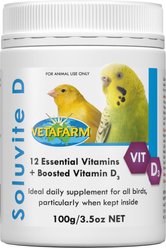
$11.76 Chewy Price
($3.36/oz) Price per Unit
$12.01 List Price
$11.17 Autoship Price
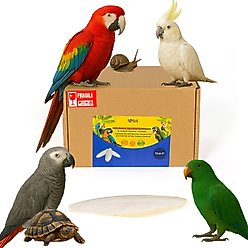
$16.24 Chewy Price
($1.36/ea) Price per Unit
$22.99 List Price
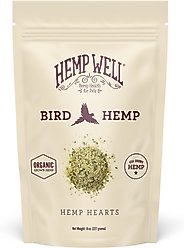
$13.99 Chewy Price
($1.75/oz) Price per Unit
$14.99 List Price
$13.29 Autoship Price
$12.98 Chewy Price
($12.98/oz) Price per Unit
$16.48 List Price
$12.33 Autoship Price
$12.99 Chewy Price
($12.99/oz) Price per Unit
$12.34 Autoship Price
$9.65 Chewy Price
($2.84/oz) Price per Unit
$9.17 Autoship Price

$9.99 Chewy Price
($9.99/oz) Price per Unit
$9.49 Autoship Price
$26.79 Chewy Price
($16.85/oz) Price per Unit
$29.08 List Price
$25.45 Autoship Price

$12.70 Chewy Price
($1.04/oz) Price per Unit
$12.79 List Price
$12.06 Autoship Price
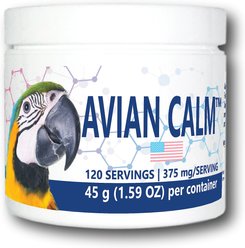
$24.95 Chewy Price
($0.21/ea) Price per Unit
$26.32 List Price
$23.70 Autoship Price
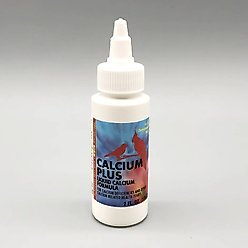
$9.99 Chewy Price
($5.00/fl oz) Price per Unit
$12.99 List Price
$9.49 Autoship Price
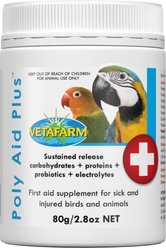
$19.19 Chewy Price
($6.86/oz) Price per Unit
$18.23 Autoship Price
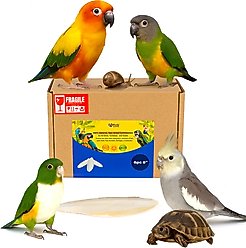
$11.70 Chewy Price
($1.95/ea) Price per Unit
$16.99 List Price
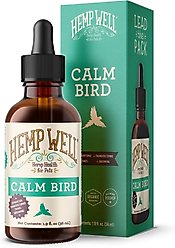
$26.99 Chewy Price
($13.50/fl oz) Price per Unit
$29.99 List Price
$25.64 Autoship Price
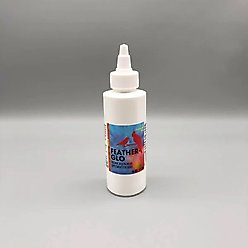
$11.99 Chewy Price
($3.00/fl oz) Price per Unit
$17.99 List Price
$11.39 Autoship Price
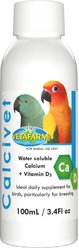
$14.60 Chewy Price
($4.30/oz) Price per Unit
$15.80 List Price
$13.87 Autoship Price
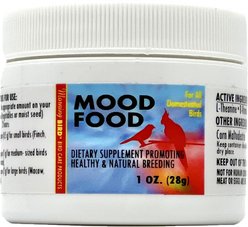
$11.99 Chewy Price
($11.99/oz) Price per Unit
$11.39 Autoship Price
$18.79 Chewy Price
($5.37/oz) Price per Unit
$22.74 List Price
$17.85 Autoship Price
$27.99 Chewy Price
($9.33/oz) Price per Unit
$26.59 Autoship Price
$7.70 Chewy Price
($1.93/ea) Price per Unit
$10.99 List Price
$10.99 Chewy Price
($5.50/fl oz) Price per Unit
$12.99 List Price
$10.44 Autoship Price
$8.99 Chewy Price
($8.99/oz) Price per Unit
$8.54 Autoship Price

$23.99 Chewy Price
($22.64/oz) Price per Unit
$29.99 List Price
$22.79 Autoship Price
$17.99 Chewy Price
($9.00/fl oz) Price per Unit
$19.99 List Price
$17.09 Autoship Price
$19.99 Chewy Price
($6.67/oz) Price per Unit
$18.99 Autoship Price
$11.94 Chewy Price
($2.26/oz) Price per Unit
$12.72 List Price
$11.34 Autoship Price
$12.90 Chewy Price
($3.08/oz) Price per Unit
$14.07 List Price
$12.26 Autoship Price
$22.99 Chewy Price
($15.33/oz) Price per Unit
$21.84 Autoship Price
$11.99 Chewy Price
($6.00/fl oz) Price per Unit
$11.39 Autoship Price
Cockatiel Vitamins & Supplements
Cockatiels on a pelleted diet should be getting all the nutrition they need to be in good health, but vets will occasionally recommend supplementing their food with cockatiel vitamins for specific health concerns.
Cockatiel vitamins fall into these general categories:
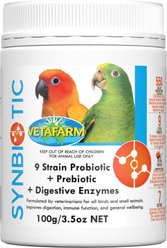
- Digestive: Prebiotics and probiotics, digestive enzymes, and grit mixes
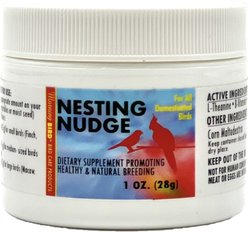
- Reproductive: Extra nutrition for breeding and egg-laying periods
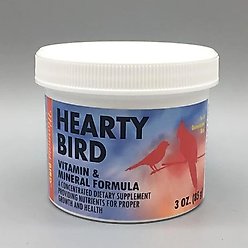
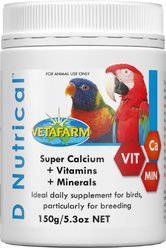
- Vitamins and minerals: Essential vitamins and minerals such as vitamins A, D3, and E, calcium, and zinc
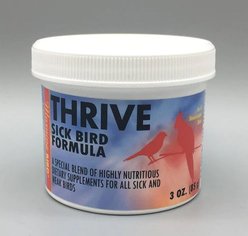
- Recovery: Supports birds' immune systems
- Skin and feathers: Supplements for healthy skin and plumage during molts
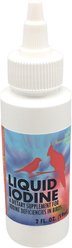
Cockatiel vitamins come in powders and liquids to make them easy to administer or mix into your bird's food. Talk to your vet to see whether your cockatiel might need additional supplements, and put your bird's vitamins and prescriptions on Autoship so you don't run out of refills.
Frequently Asked Questions about Cockatiel Vitamins & Supplements
Do cockatiels need vitamins?
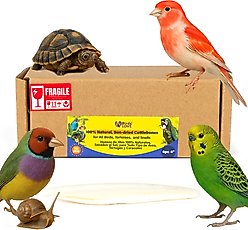
Cockatiels need vitamins (A, B, D3, and E) and minerals such as calcium and zinc. A high-quality pelleted food should provide these essential nutrients, but you can supplement your birds' diet with vitamins and treats, especially if you have juvenile cockatiels or an egg-laying female.
What vitamins should I give my cockatiel?
Cockatiels should get vitamins A and D3 and calcium either through their food and treats or through vitamins.
How can I give my cockatiel vitamins?
You can give your cockatiel vitamins through their food. Cockatiel vitamins are usually powder or liquid, so you can sprinkle them or mix them with your bird's fruit, treats, or pellets. Always follow package instructions for guidelines on administering doses.
How do I know if my cockatiel has a vitamin A deficiency?
You know if your cockatiel has a vitamin A deficiency since it first shows up as white spots around their eyes, sinuses, and mouth. If untreated, these spots can turn into abscesses. Other signs of vitamin A deficiency include loss of appetite, crusty nostrils, listlessness, and respiratory problems such as wheezing, sneezing, and gagging. Call your vet right away if you think your bird might have a vitamin A deficiency.
Save 5% on repeat deliveries
Brand
7 Brands are shown below