Sort
Filter
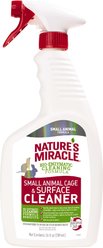
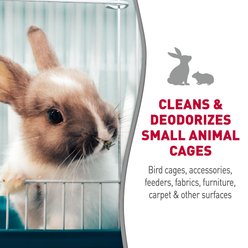

$6.19 Chewy Price
($0.26/oz) Price per Unit
$8.49 List Price
$5.88 Autoship Price

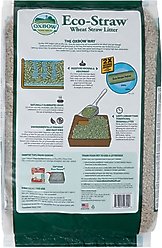
$21.24 Chewy Price
($1.07/lb) Price per Unit
$24.99 List Price
$20.18 Autoship Price
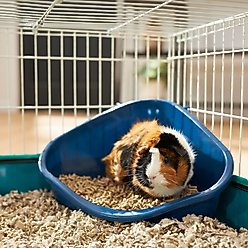


$17.95 Chewy Price
($1.13/fl oz) Price per Unit
$19.95 List Price
$17.05 Autoship Price
$19.99 Chewy Price
($6.67/ea) Price per Unit
$18.99 Autoship Price
$7.99 Chewy Price
($0.92/fl oz) Price per Unit
$8.99 List Price
$7.59 Autoship Price
$29.99 Chewy Price
($1.20/lb) Price per Unit
$28.49 Autoship Price
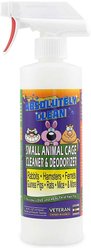
$16.99 Chewy Price
($1.07/oz) Price per Unit
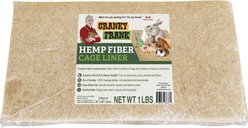
$13.95 Chewy Price
($4.65/ea) Price per Unit
$13.25 Autoship Price
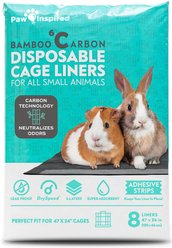
$19.99 Chewy Price
($2.50/ea) Price per Unit
$18.99 Autoship Price
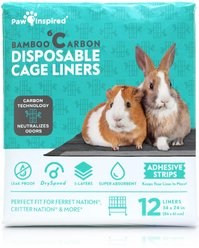
$19.99 Chewy Price
($1.67/ea) Price per Unit
$18.99 Autoship Price
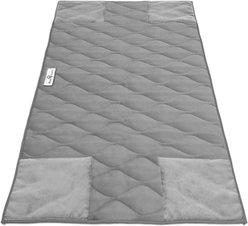
$37.95 Chewy Price
($37.95/ea) Price per Unit
$36.05 Autoship Price
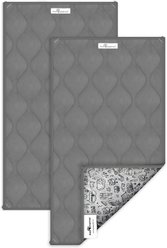
$37.95 Chewy Price
($18.98/ea) Price per Unit
$36.05 Autoship Price

$10.99 Chewy Price
($0.55/ea) Price per Unit
$19.99 List Price

$19.95 Chewy Price
($6.65/ea) Price per Unit
$24.99 List Price
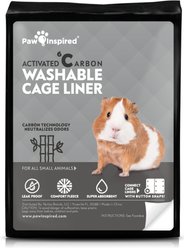
$27.95 Chewy Price
($13.98/ea) Price per Unit
$37.95 List Price
$26.55 Autoship Price
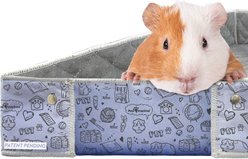
$49.95 Chewy Price
($49.95/ea) Price per Unit
$54.95 List Price
$47.45 Autoship Price
Mouse Litter
It's crucial to line your mouse habitat with comfortable bedding or mouse litter. In addition to giving your mouse something to nest and burrow in, it absorbs waste to help keep the habitat clean and odor-free. It may also help to give your mouse a litter box as a designated space to do their business. Not all mice will consistently use a litter box, but it doesn't hurt to try. If you want to give mouse litter training a try, here are some of the supplies you may need:
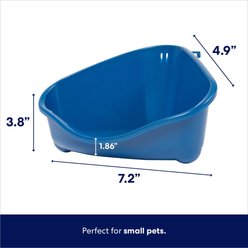
- Small pet litter box: Open trays or corner boxes to contain litter
- Mouse litter: Soft, absorbent materials like paper, hemp, or straw
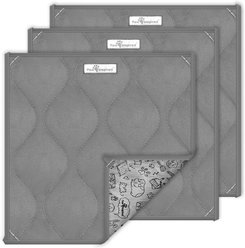
- Cage liners: Available in single-use disposable or washable and reusable forms
- Cage cleaner: Surface cleaning spray to promote hygiene and eliminate odor
Strategic litter box placement is the key to mouse litter training. Mice tend to pick a certain spot in the cage to do their business, so the best strategy is to simply put the litter box in that area. The litter box should be deep enough to contain at least an inch of mouse litter but have a low entry point so your mouse can easily climb in and out. Once you get your litter box set up, keep your supply of litter steady using Chewy's Autoship to schedule recurring deliveries.
Frequently Asked Questions about Mouse Litter
Do mice need litter?
Mice need some kind of litter or bedding to line their cage, though setting up a designated litter box is optional. If you use a litter box, fill it with about 1 inch of absorbent, non-toxic material like mouse litter or shredded paper.
What type of litter is best for a mouse?
The best litter for mice is non-toxic, dust-free, odorless, and absorbent. One option is to fill your mouse's litter box with the same material you use to line their cage. You can also use shredded paper or mouse litter made from paper, plant fiber, or wheat straw.
How often should I change mouse litter?
Spot clean your mouse's habitat and litter box daily, removing any soiled material and replacing it with fresh litter. If your mouse is consistent about using their litter box and doesn't eliminate elsewhere in the cage, you may need to replace dirty litter more often. Clean the litter box thoroughly and replace all litter in the habitat at least once a week.
Save 5% on repeat deliveries
Brand
7 Brands are shown below