Do Cats Need Wet Food? Benefits of Wet Food for Cats


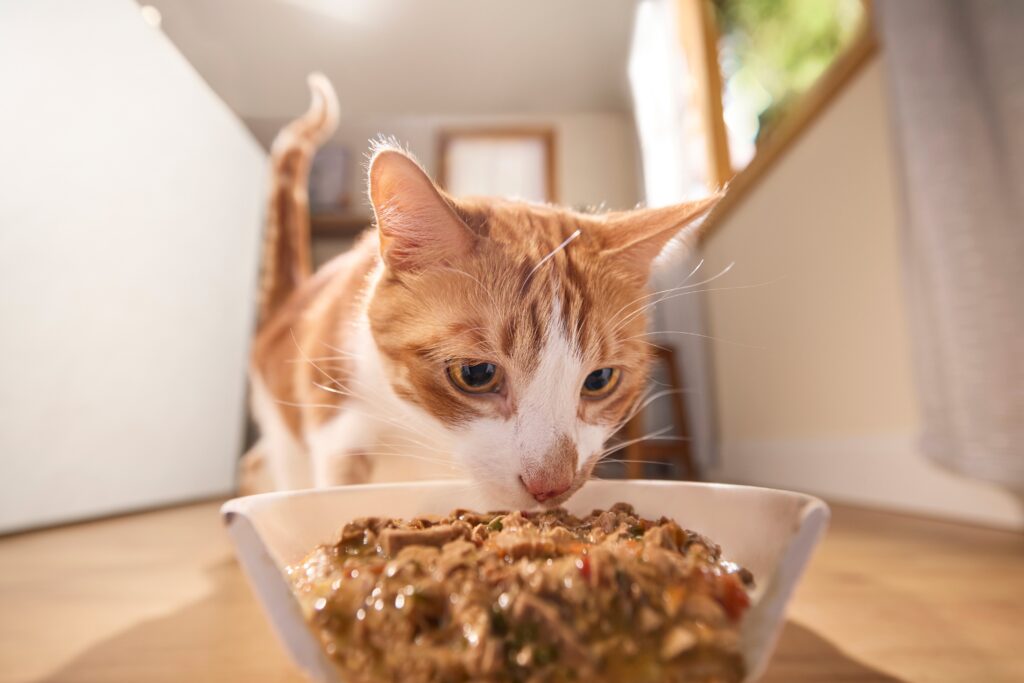
Photo by Chewy
One of the most important decisions you’ll make as a pet parent is what to feed your cat. It’s normal to wonder, “Do cats need wet food?”
While cats don’t necessarily need wet food to meet their nutritional needs, wet food for cats offers quite a few health benefits. In fact, adding wet food to your cat’s diet is usually a good idea.
Key Takeaways
- Cats don’t need wet food if they’re eating a complete and balanced diet, but many benefit from it.
- Wet food’s high moisture content helps support hydration, kidney health, urinary tract health, and digestion.
- Wet food is often higher in protein and lower in carbohydrates than dry food, so it can help support lean muscle and a healthy weight.
- Wet food is softer, easier to chew, and typically more palatable, making it a good choice for kittens, seniors, and picky eaters.
Do Cats Need Wet Food?
So, do cats need wet food?
No, cats don’t necessarily need wet food, says Dr. Emily Luisana, DVM, DACVIM, a veterinary nutritionist at Peak Veterinary Specialists. “[However,] they do have certain nutritional needs, including essential amino acids, essential fatty acids, and certain vitamins and minerals,” she adds, and it’s important that pet parents make sure those are being met.
For most cats, those nutritional requirements can be met with either wet or dry food—look for “complete and balanced” on your pet’s food label—although some cats do better with one over another due to health conditions or personal preference.
Ultimately, Dr. Luisana recommends that cat parents offer both wet and dry food so that their cats can choose a favorite.
Wet Cat Food vs. Dry Cat Food
The primary differences between dry cat food and wet cat food are:
- Moisture content: Wet foods have more water content.
- Caloric density: Wet foods tend to have fewer calories for the same volume of food.
- Convenience: Wet food may not be as convenient as dry food, since you can’t leave it out long.
- Cost: Dry foods tend to be less expensive.
5 Benefits of Wet Cat Food
While wet cat food might not be a necessity, it definitely has some benefits.
Here are some pros of wet cat food:
High Moisture Content
It’s not secret that some cats don’t always drink enough water.
Wet food has a moisture level about seven times higher than the typical dry food, so it can help your cat stay hydrated and healthy.
Consuming enough water is especially important for long-term kidney and urinary tract health, says Dr. Joshua Montgomery, DVM, a veterinarian in Seattle, Washington.
Water helps your cat’s kidneys filter out impurities from their body, and proper hydration can help to prevent bacterial infections and urine crystals or bladder stones in the urinary tract.
Water also helps keep things moving in the digestive tract, which is important for preventing constipation.
Rich in Protein, Low in Carbohydrates
Cats need for a diet that’s high in protein and low in carbohydrates since it mirrors the nutrient profile of prey that cats catch in the wild.
Wet food often has a higher proportion of protein and fewer carbohydrates than dry food.
This combination can be especially beneficial for maintaining lean body mass and managing diabetes mellitus.
Weight Management
“Wet food is generally lower in calories compared to dry food, which helps keep cats trim and promotes a longer, healthier life,” says Dr. Montgomery.
Maintaining a healthy weight is important, since excessive weight can contribute to arthritis, heart conditions, blood pressure abnormalities, respiratory issues, and diabetes.
Wet food has a higher water content than kibble, so it can also help a cat feel fuller, says Dr. Luisana.
Easier To Chew and Digest
The soft texture and high moisture content of wet food make it easier to chew and digest than dry food. This is especially helpful for kittens, senior cats, and cats with dental issues or sensitive stomachs.
Better Taste
Cats tend to prefer the taste and texture of wet food over dry kibble. Its aroma and consistency are often enticing to cats, which ensures they get the nutrition they need.
Wet cat food also comes in a range of flavors and textures, which can help prevent boredom with meals and encourage a healthy appetite in cats who might be finicky eaters.
5 Disadvantages of Wet Cat Food
While wet cat food offers numerous benefits, it also comes with certain drawbacks that pet parents should consider.
Shorter Shelf Life
Once opened, wet cat food can spoil quickly if not stored properly. Opened cans must be promptly refrigerated and used within a few days.
Less Convenient for Feeding
Unlike dry food, which can be left out for cats to graze on throughout the day, wet food cannot be left in a cat’s bowl for long periods due to the risk of spoilage.
Wet food left in your cat’s bowl should be discarded if not eaten within 20 to 30 minutes, says Dr. Luisana.
Higher Cost
Generally, wet cat food is more expensive than dry cat food. The higher cost can be a significant factor, especially if you’re feeding multiple cats.
Doesn’t Support Dental Health
Dry food can support dental health due to its heavier texture, which can help reduce plaque and tartar buildup. Wet food doesn’t offer this benefit.
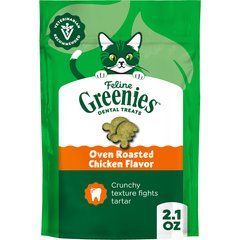
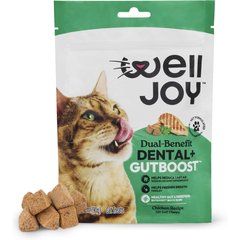
However, whether you choose dry or wet food, you should still brush your cat’s teeth. In addition, you can give your cat dental treats like Greenies Feline Adult Dental Cat Treats or WellJoy Chicken Flavored Cat Dental + GutBoost Treats.
Recommended Products
Can’t Be Used in Most Puzzle Toys
Wet cat food usually isn’t a match for puzzle toys.
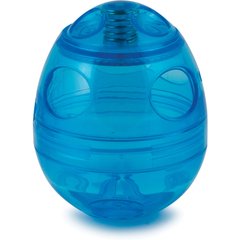
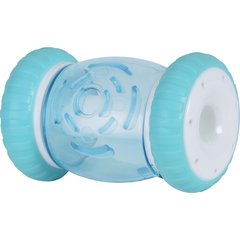
Your cat will likely love toys like PetSafe Funkitty Egg-Cersizer Treat Dispenser Cat Toy and Nala Wheelie Drum Treat Dispensing Cat Toy with Catnip, which can stimulate their minds and get them to move around too.
Recommended Products
But these toys are usually a better fit with dry food. Even if your cat eats mostly wet food, you may be able to put treats in these toys.
How Much Canned Food To Feed a Cat
Determining the right amount of canned food to feed a cat is crucial for maintaining their health and preventing issues like obesity or malnutrition.
Ask your vet for advice when it comes to how much to feed your cat. It will likely depend on your cat’s age, weight, activity level, metabolism, and the type of canned food.
Here are some guidelines to help you determine the right amount:
- Know how many calories your cat needs: An average adult cat typically needs about 20–30 calories per pound of body weight per day. However, active or young cats typically require more calories than less active or older cats.
- Read the food label: Canned cat food labels give feeding guidelines based on weight and life stage. These recommendations are a good starting point, but they might not suit every cat.
- Consult with a vet: For the most accurate advice, consult your veterinarian. They can determine your cat’s ideal weight and recommend a good caloric intake.
- Keep an eye on weight: Regularly monitor your cat’s weight and body condition, and call your vet if your cat seems to be gaining or losing too much weight.
How Often Should I Feed My Cat Wet Food?
How often you should feed your cat depends on your cat’s age and health.
Here are some guidelines:
- Kittens: Young cats require more frequent feeding schedules due to their rapid growth and high energy needs. Feeding kittens wet food three to four times a day is common.
- Adult cats: Typically, adult cats do well with wet food fed twice a day.
- Senior cats: Senior cats may have different nutritional needs and appetites than younger cats. Some may do well with twice-a-day feedings, while others might need multiple feedings, says Dr. Montgomery.
Ask your veterinarian, especially if your cat has health issues.
How To Get a Cat To Eat Wet Food
Introducing a cat to any new food can be a challenge, but most cats adapt well.
Here are some strategies to encourage a cat to eat wet food:
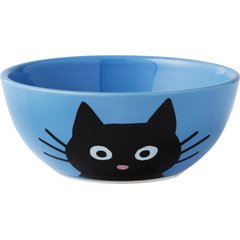
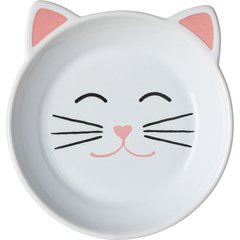
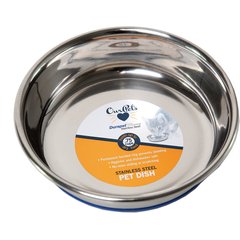
- 1. Create a peaceful environment: Ensure your cat’s feeding area is quiet, safe, and away from high-traffic areas and that they have clean, easy-to-access bowls.
Recommended Products
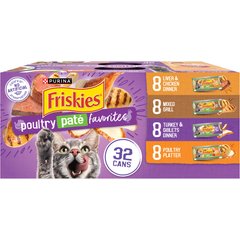
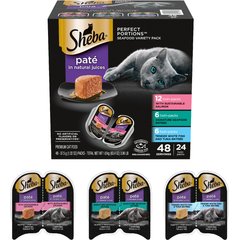
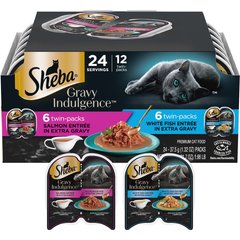
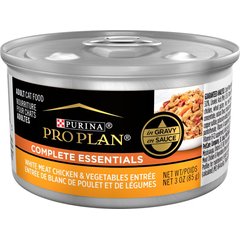
- 2. Pick some different flavors and textures: Experiment with different flavors and textures to see what your cat prefers, using your vet’s guidance. Some cats might like pate-style wet food, while others might prefer chunks in gravy. Your cat may also like one protein source more than another—for example, fish over chicken.
Recommended Products
- 3. Gradually introduce the new food: Start by mixing a small amount of wet food with your cat’s dry food. Gradually increase the wet food portion and decrease the dry food. This should happen over the course of a week and help your cat avoid stomach upset.
- 4. Slightly warm the wet food before serving: This can increase the aroma and make it more appetizing. Make sure the food is warm but not hot to avoid your cat burning their mouth.
- 5. Keep portions small: With dry food, you could serve larger portions and let your cat graze. But with wet food, you’ll need to serve small, fresh portions so that your cat’s food doesn’t spoil.
- 6. Follow a feeding routine: Feed your cat at the same times each day. Cats are creatures of habit and thrive on a consistent schedule.
FAQs About Cats and Wet Food
Is wet food better for cats?
Wet food can be better for some cats, depending on the individual cat’s health, age, and dietary preferences. Speak with your vet about the best choice for your cat.
Do cats need dry food?
No. Cats don’t need dry food, but it can be a convenient and cost-effective part of a balanced diet. Plus, some prescription foods are available only in kibble form.
Is it OK to give cats wet food every day?
Yes. Most cats can eat wet food every day, as long as it’s nutritionally complete.
How do I know if my cat needs wet food?
Your cat might benefit more from wet food if they don’t drink enough water, are prone to urinary tract issues, have kidney disease, are overweight, or have difficulty chewing dry food. Your vet is the best source of advice.
Is it OK to not feed your cat wet food?
Yes. It’s usually OK to skip wet food if your cat is healthy, drinks enough water, and eats a balanced diet of high-quality dry food. Many cats enjoy the taste of wet food, though. Ask your vet which is best for your individual cat.
Do kittens need wet food?
No. Kittens don’t need wet food as long as they’re eating a nutritionally balanced dry food and drinking enough water. Your vet can say for sure which is best for your kitten.
Is wet food bad for cats’ teeth?
No. Wet food is not necessarily bad for cats’ teeth, but kibble is often considered better for cats’ teeth since it may be better for removing plaque when combined with good dental hygiene, such as daily toothbrushing.
Attributions