Wet vs. Dry Cat Food: What’s the Difference?

Photo by Chewy
If you’ve ever stared at all the cat food available and felt unsure about the best pick for your cat, you’re not alone.
Not only are there lots of brands and varieties, but many pet parents find themselves having to choose between wet vs. dry cat food.
The choice isn’t always obvious and likely depends on your cat’s age, health, and preferences.
Key Takeaways
- Both wet and dry cat food can provide complete nutrition, so the best choice depends on your cat’s health, lifestyle, and preferences.
- Wet food contains more moisture, which supports hydration, and is especially good for cats with kidney, urinary, or weight issues.
- Dry food is more convenient and affordable, and it works well for cats who like to graze or prefer crunchy textures.
- Wet food is often higher in protein and lower in calories, while dry food contains more carbohydrates and is more calorie-dense.
- Some cats benefit from a combination of both wet and dry food. Your veterinarian can help you choose the best option.
Wet vs. Dry Cat Food: What’s the Difference?
While there are some big differences, both wet cat food and dry cat food can provide complete and balanced nutrition to support your feline best friend.
The right choice for your cat depends on their health, preferences, and your lifestyle.
Here are some factors to consider when making a decision:
| Feature | Wet Cat Food | Dry Cat Food |
|---|---|---|
| Moisture Content | High moisture content (around 80%), which helps support hydration | Low moisture content (around 10%); cats rely more on drinking water |
| Convenience | Feeding requires more pet parent involvement | Easier to leave out in a bowl or in an automatic feeder |
| Cost | Generally more expensive | Generally less expensive |
| Dental Health | Doesn’t benefit dental health | Some dental-specific dry diets can help with dental health |
| Shelf Life | Requires refrigeration after opening; spoils within hours at room temperature | Easy to store in a sealed bag or container |
| Protein and Carbohydrate Levels | Often higher in protein (cats have very high protein needs) | Often higher in carbohydrates (a small amount for energy is OK but too many carbs are not) |
| Calorie Density | Fewer calories per bite; can be good for weight loss | More calories per bite |
| Best Suited For | Cats who need help with hydration, weight loss, urinary/kidney problems, diabetes | Cats who graze throughout the day or prefer crunchy textures |
When Wet Cat Food May Be a Better Choice
Do cats need wet food? Not always, but for many cats it’s an excellent choice. Plus, it tends to match a cat’s natural, prey-based diet.
Wet food may be the best option for cats who:
- Have trouble staying hydrated: Many cats prefer to get most of their water from their food instead of water bowls. Wet food is a great choice for cats who need extra hydration, like those with kidney disease.
- Have lower urinary tract disease: A wet diet helps produce urine with lots of water in it, which can sometimes prevent and even dissolve bladder stones and help manage symptoms associated with other types of lower urinary tract disease.
- Have diabetes: High-protein and low-carbohydrate diets are recommended for most cats with diabetes to help keep blood sugar levels stable.
- Need to lose weight: Wet food has a lower caloric density, so cats can eat more food while consuming fewer calories, which can help them feel full. High protein levels also help cats maintain their muscles while they lose weight.
- Are picky eaters: Wet food tends to have a stronger smell and more appealing taste. Many cats prefer it over dry.
- Are seniors: Senior cats may have dental disease, a reduced appetite, or kidney problems. Wet food is easier to chew, more palatable for cats reluctant to eat, and offers better hydration for cats who need to take in extra water.
When Dry Cat Food May Be a Better Choice
Dry food may be a good fit for cats who:
- Graze throughout the day: Dry food can stay out at room temperature, making it a better choice for cats who like to eat small, frequent meals.
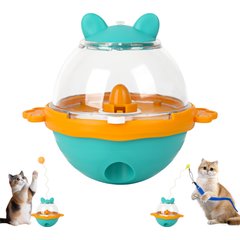
- Enjoy puzzle feeders: Food-dispensing toys can provide enrichment and help prevent boredom. Most are designed for dry cat food.
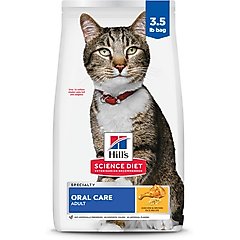
- Need extra dental care: Daily brushing is best, but dry foods specifically designed to reduce the buildup of plaque and tartar can help too.
- Like kibble better: Some cats simply prefer foods with a crunchy texture. As long as your cat is healthy and thriving on dry food, you probably don’t need to force a change. Ask your veterinarian if you’re concerned.
Dry cat food is also usually less expensive than wet food. If you are on a tight budget or feeding lots of cats (in a multi-cat household or taking care of community cats, for example), dry food is a sensible option.
How To Pick the Right Food for Your Cat
The best way to choose food for your cat is to first talk with your veterinarian. They will take many factors into consideration, including your cat’s:
- Age: Kittens, adults, and senior cats can have very different nutritional needs.
- Body condition: Cats who are overweight will benefit from a reduced calorie food while underweight cats need calorie-dense formulations.
- Activity level and lifestyle: Indoor cats who don’t move around a lot typically need fewer calories than those who get a lot of exercise. (However, letting your cat outside is not recommended.)
- Health conditions: Dietary allergies and sensitivities, hairballs, urinary and kidney problems, metabolic disorders like diabetes or hyperthyroidism, and other health problems can all be managed with specific diets that your vet will guide you on.
Vet-Approved Wet Cat Foods
Whatever food you choose, make sure it’s labeled with an Association of American Feed Control Officials (AAFCO) statement of nutritional adequacy. You’ll also want to work with your vet, who can recommend the best food for your cat.
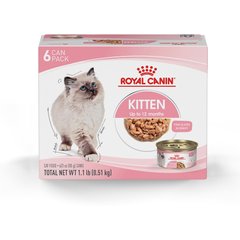
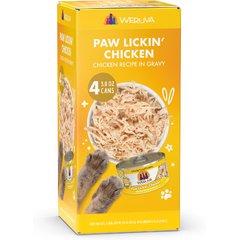
Here are some vet-approved wet cat food options:
Recommended Product

Recommended Product
Recommended Product
Vet-Approved Dry Cat Foods
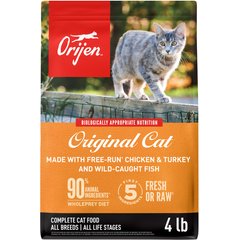
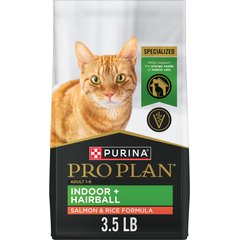
Here are some vet-approved dry cat food options:
Recommended Product
Recommended Product
Recommended Product
When To Mix Wet and Dry Cat Food
Mixing wet and dry cat food can be a good option in certain situations, particularly if:
- Your cat loves kibble but needs more moisture in their diet. Bone broths and toppers—like Solid Gold Bone Broth Chicken Shreds Grain-Free Wet Cat Food Topper—don’t provide complete nutrition on their own but can be safely added to a complete cat food.
Recommended Product

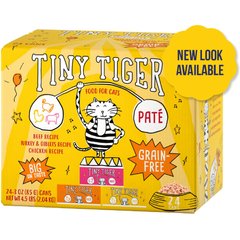
- You need to manage costs while still incorporating a budget-friendly wet food option, like Tiny Tiger Grain-Free Pate Beef & Poultry Recipes Variety Pack Canned Cat Food.
Recommended Product
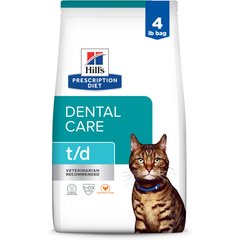
- Your cat eats mostly wet food but could benefit from the oral health support of a dental diet, like Hill’s Prescription Diet t/d Dental Care Chicken Flavor Dry Cat Food, or you’d like to use kibble in food-dispensing toys for enrichment.
Recommended Products
FAQs About Wet Vs. Dry Cat Food
Do vets recommend dry or wet food for cats?
Veterinarians may recommend wet food, dry food, or a combination of both depending on a cat’s age, health, hydration needs, and preferences.
What is the healthiest food to feed a cat?
The healthiest cat food is complete and balanced for your cat’s life stage and tailored to their individual health needs. Your veterinarian can help you choose the best option.
Is dry food bad for cats?
No, dry cat food isn’t inherently bad for cats. High-quality dry cat food can provide complete and balanced nutrition. However, because it’s low in moisture and high in carbohydrates, it may not be ideal for cats who don’t drink enough water or have certain health conditions. Your veterinarian can help you decide what’s best for your cat.