Why Is My Cat Throwing Up Clear Liquid?

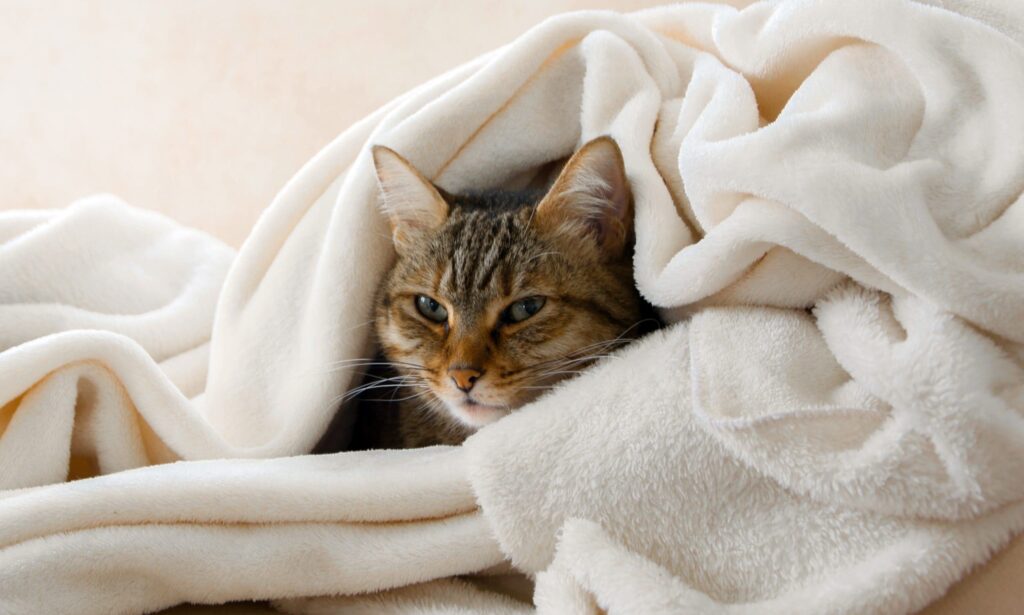
Photo by iStock.com/Alikaj2582
Common causes of a cat throwing up clear liquid vomit can include a hairball, an upset stomach due to not eating, overeating or a recent dietary change—or more concerningly—an illness, allergic reaction, infection or underlying health issue.
An occasional episode may not be cause for concern, but frequent or repeated vomiting indicates that your pet should be evaluated and should prompt a call to your veterinarian
Key Takeaways
- Some less serious causes of clear liquid vomit in cats may include recent dietary changes or a hairball.
- More serious causes can include an allergic reaction, illness, infection, or underlying health issue.
- Occasional vomiting can be common, but frequent episodes shouldn’t be ignored.
- Track patterns and consult a veterinarian to identify the root cause of the vomiting.
- Prompt care can help ensure small issues don’t develop into more serious health problems.
What Causes Cats to Throw Up Clear Liquid?
Clear liquid vomit is a sign that the cat is bringing up fluid, often stomach acid and other gastric juices, from the digestive tract. Occasionally, if the kitty is vomiting right after drinking a large amount of water, she will also vomit clear liquid—namely, the water she just drank.
Most of the time, however, what we are seeing when we look at that sticky puddle of clear liquid on the paper towel is the cat’s stomach fluid mixed with some mucus from the esophagus (the “tube” which connects the mouth to the stomach). There are several causes of chronic vomiting in cats, and many can result in puddles of clear liquid.
Some of the most common causes of cat vomiting include:
- Parasites
- Indigestion with nausea (sometimes kitty overate, or the last meal just didn’t sit well)
- Hairball, which can irritate the digestive tract and trigger some vomiting (with or without a hairball in that clear liquid)
- New food or other dietary changes
- Allergic reactions
- Changes in your cat’s feeding schedule
- Eating too quickly
Sometimes, however, the underlying causes can be more serious and even potentially life-threatening. Other possible causes of your cat vomiting clear liquid include:
- An intestinal blockage/foreign bodies in the intestinal tract
- Metabolic problems (such as hyperthyroidism, diabetes or kidney disease)
- Inflammatory bowel disease
- Gastritis
- Pancreatitis
- Cancer
Pet parents of kittens and older cats face additional considerations, since senior cats are susceptible to age-related conditions that could present with vomiting, and kittens tend to get into more mischief as they learn about the world.
What to Track Before You Call the Vet
If your cat throws up clear liquid, note when it happened, how often it has happened, what the vomit looked like, and whether any of your cat’s habits recently changed, such as food or eating patterns. You should take note of any additional symptoms and changes in your cat’s behavior, and note if your cat vomits each time they eat or drink (this can be an emergency). It’s especially important to monitor senior cats that are vomiting, as they are particularly susceptible to age-related conditions that could present with vomiting.
Tracking these details can help your veterinarian choose their follow-up questions and decide whether your cat should be seen.
When Should I See a Vet About My Cat’s Vomiting?
See a vet when your cat does any of the following:
- Vomits more than once a week
- Shows any additional symptoms, especially weight loss, diarrhea, excessive thirst, lethargy, drooling, lack of appetite
- If the vomiting persists more than a few weeks, even without any additional problems
- Vomiting each time they eat or drink (this may be an emergency and should be addressed immediately)
- If the cat if trying to but unable to vomit, which could mean they ate a foreign object, like string or part of a toy or other foreign object
You should also check the puddles of vomit for any tinge of color.
- Red tinges may indicate that there is some blood in the vomit.
- Green can come from lower in the gastrointestinal tract and may indicate a slightly more serious problem.
Kitties that aren’t feeling well clearly should be seen sooner rather than later. It’s much better to catch and address a problem early, rather than leaving it to worsen.
What Can I Do to Help My Cat If They’re Throwing Up Clear Liquid?
The best thing you can do to help your cat is try to get to the root of the problem, so you can correct it and/or get your cat the treatment they need.
Often, that means going to the vet for diagnostic testing to get the full picture of your pet’s health. Additional signs, such as weight loss (even if minimal) or diarrhea are very important to note, so be sure to provide your veterinarian a complete history, even if it doesn’t seem to be totally relevant to the problem at hand.
Your veterinarian will perform a thorough exam—palpating the abdomen, thyroid gland and kidneys—all of which could be involved in vomiting.
Blood pressure, weight checks and a fecal examination are also an important part of this initial screening.
If there are additional symptoms, the vomiting is severe or persistent, or your veterinarian finds additional concerns on physical examination, additional testing such as x-rays and bloodwork will likely also be recommended.
X-rays and blood tests can clue your veterinarian in on medical issues that may involve organ function (liver and kidneys) as well as the endocrine system (thyroid).
For more severe cases, or those not answered through routine screening, your veterinarian may recommend specific gastrointestinal function tests to look at digestive absorption and pancreatic levels. In addition to these specialized tests, an abdominal ultrasound can be immensely useful to visualize the organ systems and help pinpoint the underlying problem.
Once a diagnosis is reached, it is much more straightforward to tailor a customized treatment plan.
Better Safe Than Sorry
Our cats may not be able to speak to us directly, but they communicate through signs and symptoms. While cat vomit may not be an especially welcome form of communication for pet parents, it’s a signal that you should get your cat’s health checked out, just to be on the safe side.
FAQs About Cats Throwing Up Clear Liquid
Should I be worried if my cat is throwing up clear liquid?
You don’t need to worry over a single vomiting episode, but frequent or repeated cat vomiting should not be ignored. Clear liquid vomit may be linked to a hairball, an upset stomach due to not eating or overeating, a recent food or feeding time change—or may be due to a an allergic reaction, mild illness, infection, or an underlying health issue. Call your veterinarian if it continues, happens often, or is accompanied by other concerning symptoms listed in this article.
What should I do after my cat throws up clear liquid?
Once you’ve cleaned up the vomit, take note of when it happened, and monitor frequency, other symptoms, and changes in your cat’s behavior—as well any recent changes in their food or eating patterns. If your cat vomits more than once or vomits each time they eat or drink, contact your veterinarian. When senior cats vomit, it’s especially crucial to closely monitor their health, as they’re more susceptible to age-related conditions that could present with vomiting.
Can hairballs make cats throw up clear liquid?
Yes, hairballs can be one possible reason a cat throws up clear liquid, but other causes may include dietary changes (new food or a new schedule), an allergic reaction, illness, infection or an underlying health issue. If your cat vomits more than once in a day, vomits frequently, or they vomit each time they eat or drink, call your veterinarian for guidance.
Can a food change cause my cat to throw up clear liquid?
Yes, a recent food change can be one possible reason for a cat vomiting clear liquid, especially if the timing lines up with the change. However, clear liquid vomiting can have a variety of root causes, such as an allergic reaction, infection or underlying illness or medical condition. If your cat vomits frequently or if they vomit each time they eat or drink, you should contact your veterinarian
Attributions