How To Get Rid of Cat Pee Smell From Carpet, Clothes and More


One of the best things about being a cat parent? Having a pet who instinctively uses their own “toilet,” aka their litter box. But even the most well-behaved cats pee outside the litter box from time to time.
When it’s time to clean your carpet or upholstery, how do you get rid of cat pee smell? And how can you stop these accidents from happening again? We talked to the experts—both a veterinarian and a professional cleaner—to bring you the most effective solutions.
How To Get Rid of Cat Pee Smell: Step-by-Step Instructions
No matter what surface your kitty has used as their personal litter box, there are a few basic steps you can take to remove cat urine smell.
1. Find the Source of the Cat Pee Smell
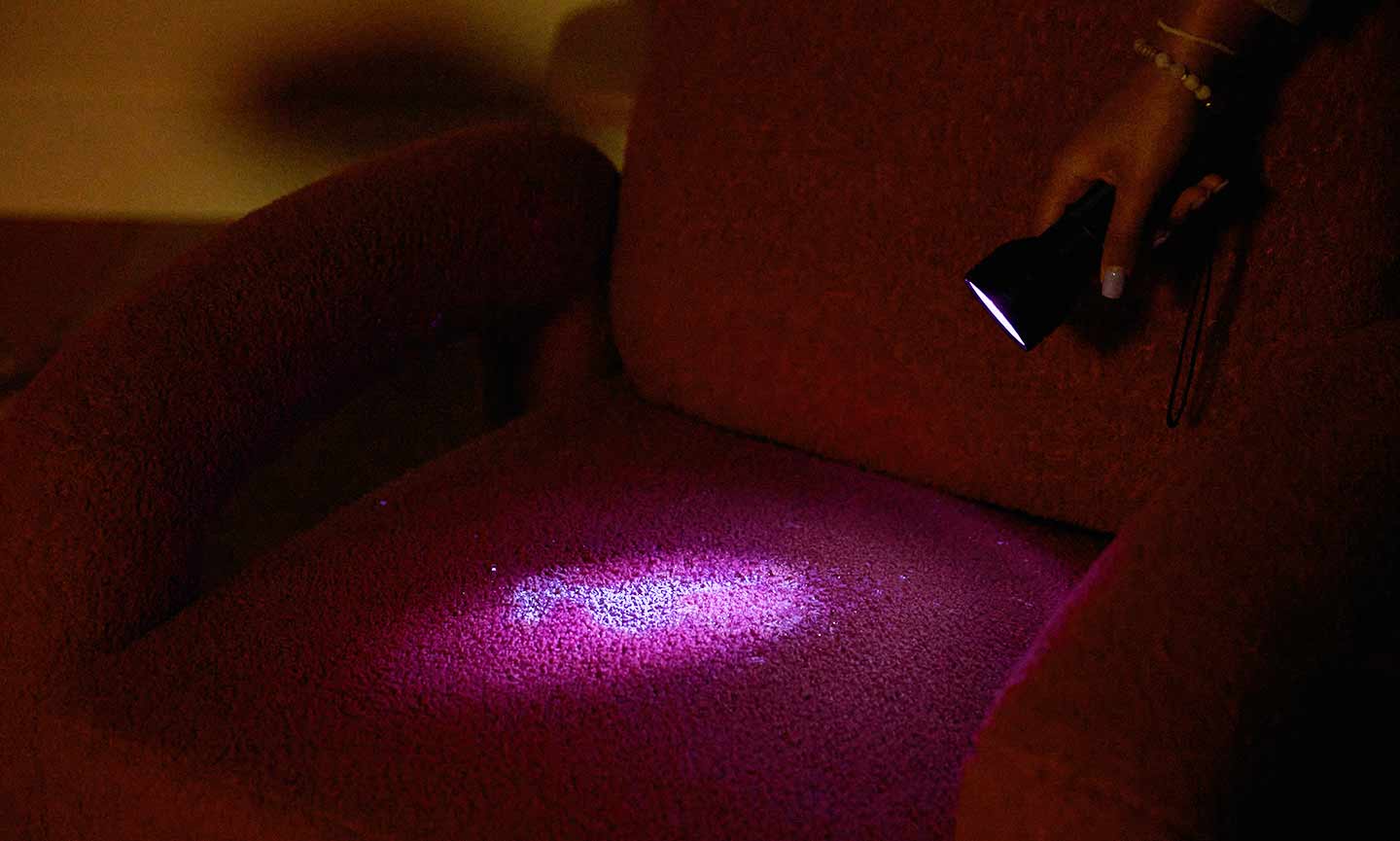
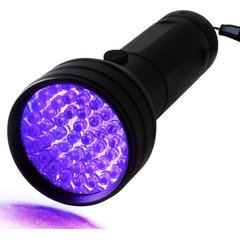
An ultraviolet light or blacklight can help you locate the source of the smell.
Recommended Product
These lights work best if you block out all light sources in your room (i.e. turn off any overhead lights and close the drapes). The blacklight will light up any pet stains on the carpet or upholstery.
You can also use the blacklight to check the stained area after cleaning to be sure it was cleaned properly.
2. Blot the Area With Cold Water
Before using any cleaner, gently blot the area with cold water and a clean cloth or paper towel. This helps remove as much fresh urine as possible and prevents it from setting deeper into the fabric or carpet fibers. Avoid scrubbing, which can spread the stain or damage delicate surfaces.
3. Soak the Area With an Enzymatic Cleaner
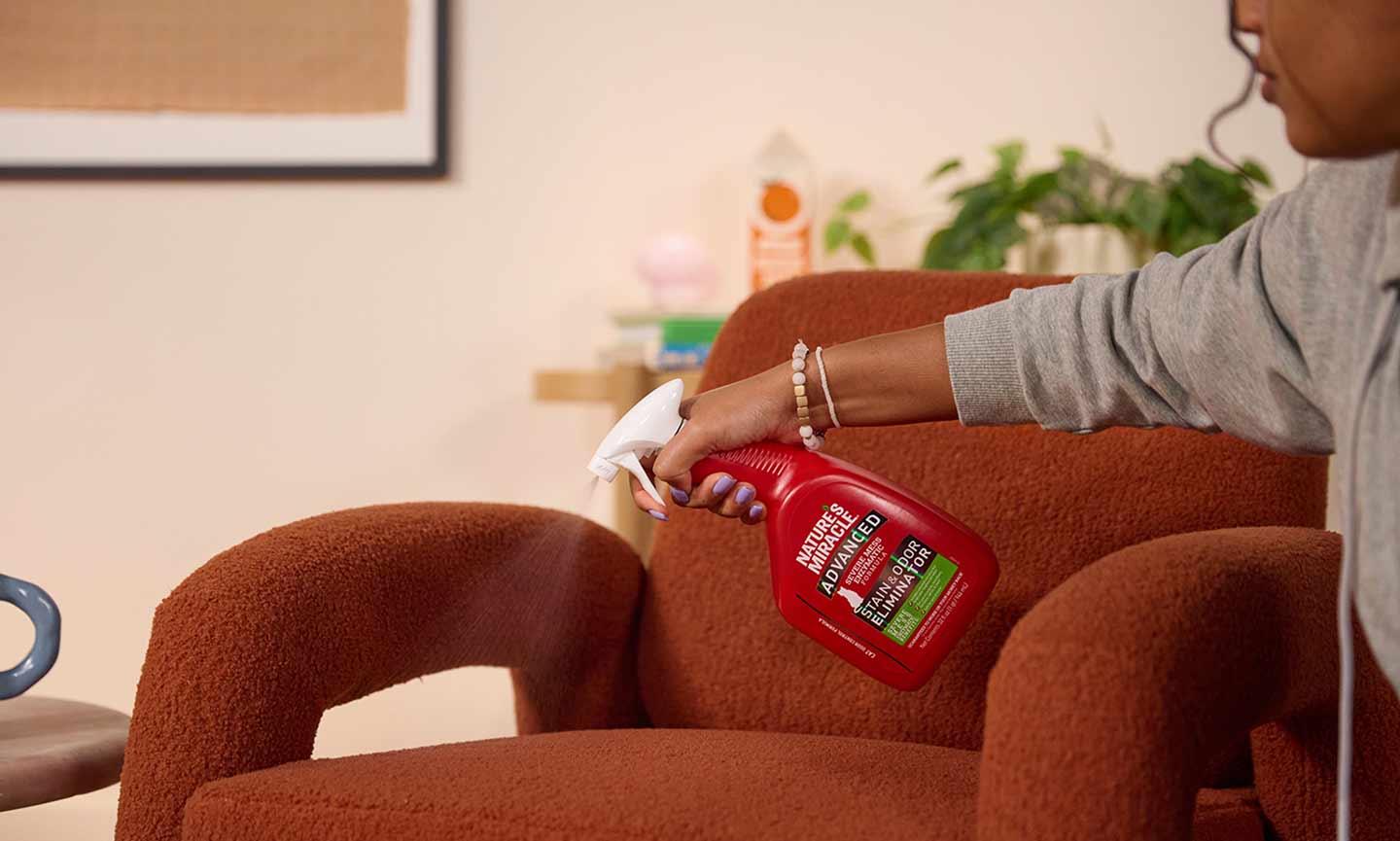
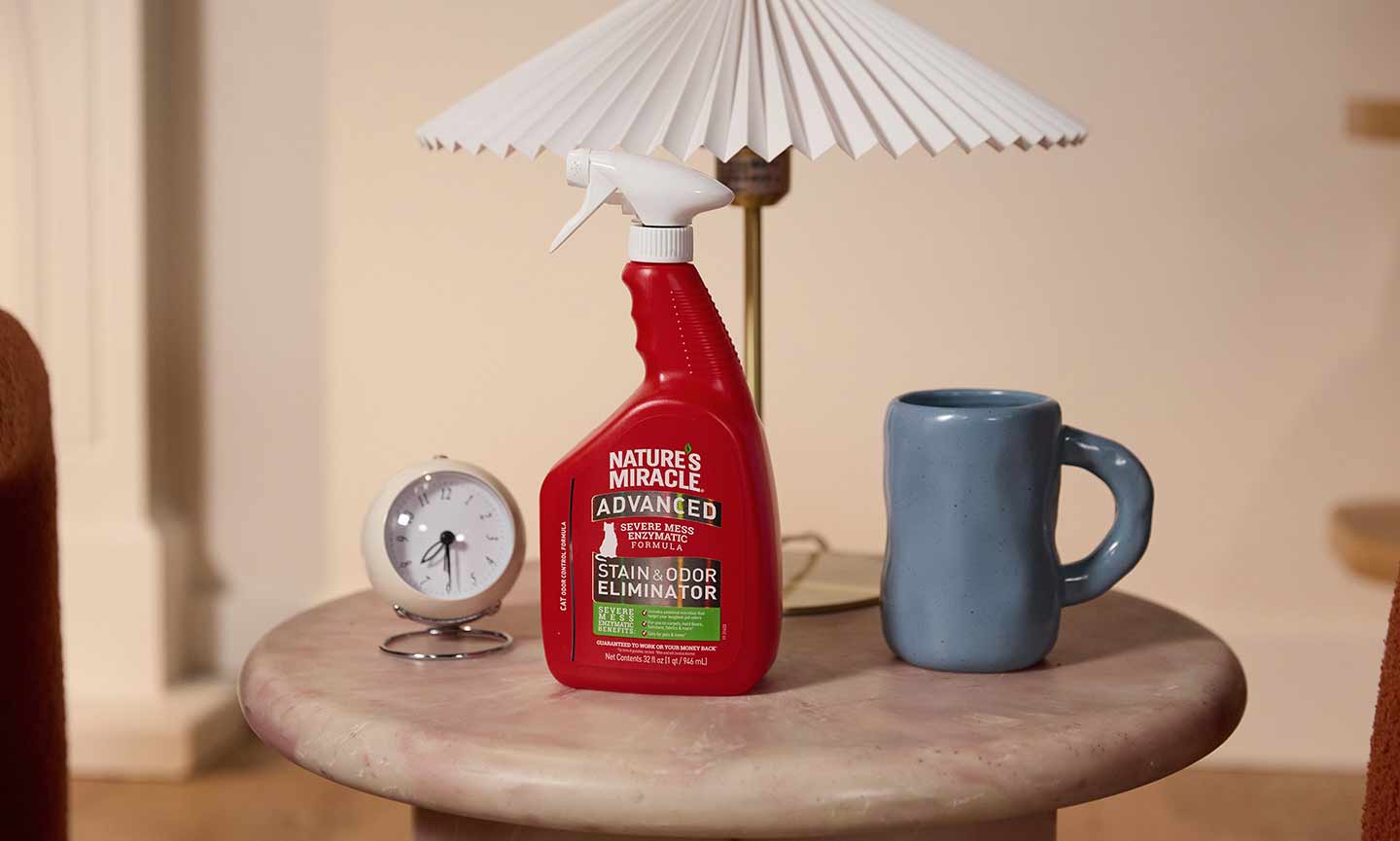
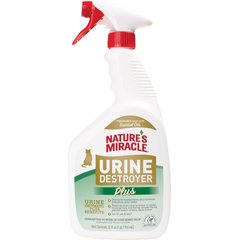
Once you figure out where your stain is, you’ll need to apply an enzymatic cleaner, such as Nature’s Miracle Cat Urine Destroyer.
Recommended Product
Follow the instructions on your cat urine odor remover, and if the cleaner calls for you to add water, be sure to use cold water instead of hot water. Otherwise, the warm cat urine stain may start to smell worse. Yuck!
It’s important to thoroughly saturate the urine stain itself, as well as the space around the stain. For example, if you have a one-foot stain, spread your cleaner out in a two-foot circle to make sure the stain is thoroughly covered.
Don’t be afraid to oversaturate the area and get deep into the fibers. You can also add an oxidizer or odor eliminator to the stained area if needed.
4. Let the Product Set
Enzymes need time to do their job, so give the cleaner a few minutes to soak in and break down.
This is especially important if you are dealing with an old urine stain (any stain that’s more than three days old). With old stains, the cat urine has dried and crystalized into a salt state. That means it will need time to break down into a liquid so it can be removed from the surface.
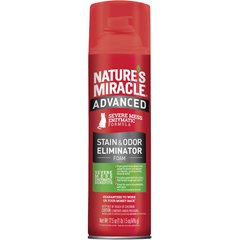
Follow the instructions on your cleaner and be sure to let the product set for at least as long as the recommended time. For example, Nature’s Miracle Advanced Cat Enzymatic Stain Remover & Odor Eliminator Foam recommends letting the product sit for 15 minutes.
Recommended Product
5. Extract the Liquid With a Vacuum
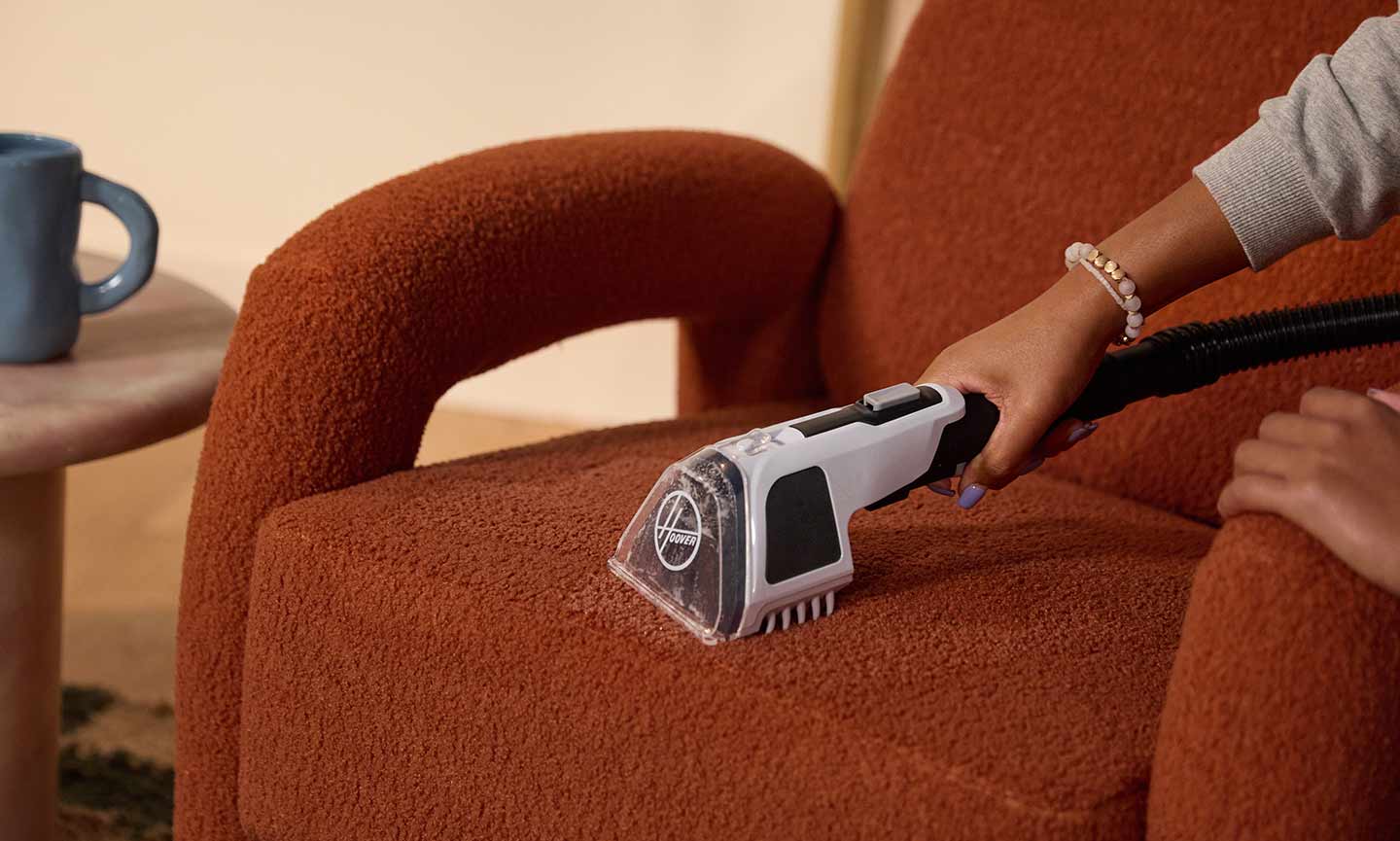
If possible, use a Shop-Vac or other vacuum designed for cleaning carpets and upholstery to remove the liquid.
Recommended Product

This is important because you will want to extract as much of the liquid product as possible from the surface.
If you don’t have access to a vacuum, use a paper towel or clean cloth to soak up the liquid. Do your best to soak as much up as possible, to avoid leaving residue from the enzyme cleaner on your surfaces. Leaving those cleaning products behind can damage your carpet and upholstery.
6. Retreat If Needed
If the stain or odor lingers after the first cleaning, it’s OK to repeat the process. Older or larger stains may need more than one treatment with enzymatic cleaner to fully break down urine crystals. Just be sure the area is dry before reapplying to avoid oversaturation or mold growth.
7. Dry Out Leftover Moisture
After you’ve removed as much liquid as possible, allow the area to air dry completely. You can speed up the process by placing a fan nearby or opening windows for ventilation. Leaving moisture behind can cause mildew, and lingering dampness may attract your cat back to the same spot.
Tips for Getting Rid of Pee Smell
Act Fast
The sooner you clean cat urine, the better. Fresh stains are easier to remove and less likely to soak deep into fabrics or flooring. Acting quickly also prevents odors from setting, making it less likely your cat will return to mark the area again.
Avoid Ammonia-Based Products
Never use ammonia-based cleaners to remove cat pee. Cat urine naturally contains ammonia, and using these products can make the spot smell more like urine to your cat—encouraging repeat accidents.
Instead, stick to enzymatic cleaners that are designed to neutralize pet odors safely and effectively.
Home Remedies Won’t Be As Effective
While vinegar and baking soda can help with light odors, they’re usually not enough for deep or old cat urine stains. Enzymatic cleaners are specially formulated to break down the proteins in cat urine, making them far more effective than DIY solutions.
Use Cold Water
Always opt for cold water when cleaning cat urine. Hot water can set the stain and intensify the odor by bonding proteins to surfaces. Cold water, on the other hand, lifts the urine without embedding it further into the material, making it easier to eliminate completely.
Don’t Punish Your Cat
Punishing your cat won’t solve their litter box problems—and may make things worse by causing stress or fear. Instead, work with your veterinarian to identify any underlying health or behavioral issues and keep their litter box clean and accessible.
How To Get Cat Pee Out of Carpet
When it comes to cleaning cat pee smell out of carpet, it all depends on how large the stain is.
If you are only dealing with a small cat pee stain, getting cat pee odor out of your carpet can be a fairly easy DIY following the steps listed above. With carpet, you only need to clean the top layer of carpet, pad, and subfloor, so the process can be simple for minor stains.
For more prominent or multiple stains, it may be necessary to hire a professional cleaning service to fully eliminate the odor.
Getting Rid of Cat Odor on Hard Flooring
Finally, some good news: If your kitty pees on your wood or tile floor, it can usually be wiped up quickly with a cloth or paper towel. You might not even need a cleaner with enzymes; the cat urine odor can typically be cleaned with white vinegar and water.
However, if you suspect your cat is peeing to mark territory, it’s better to use an enzymatic cleaner rather than white vinegar. This way, the lingering smell of the vinegar doesn’t lure the cat back to the area to mark it again.
Unfortunately, cat urine can also discolor hardwood floors, so they may need to be refinished or repaired once the stain or pet odor is removed.
How To Get Cat Pee Out of a Mattress or Furniture
Cleaning stains on furniture and mattresses is a lot trickier. For example, if you have a small urine stain on the surface of your favorite chair, you may be able to remove it just by cleaning the top surface of the cushion. However, if the stain soaks deep into the foam of the chair cushion, it may be time to call a professional cleaner.
That’s because, with deeper stains, it’s more difficult to remove the cleaning liquid from the interior of the cushions or mattress. Even with a vacuum, you probably won’t be able to suck all of the wetness out of the interior of the upholstery.
If that liquid stays inside the cushions and foam, they won’t air dry properly, leading to mold and mildew.
How To Get Cat Pee Smell Out of Clothes
If your cat pees on your lap or in a laundry basket, it’s not the end of the world. Clothes or linens can be run through the washing machine to remove stains and smells.
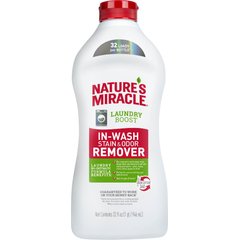
You can include some white vinegar to break down the smell more. You can also use an enzymatic cleaner made for laundry, like Nature’s Miracle Stain & Odor Additive Laundry Boost.
Recommended Product
How to Prevent Future Cat Odors
Worried about future feline accidents? Here are Dr. Scrutchfield’s tips for preventing your cat from spraying or inappropriately urinating around the home:
- Have your cat spayed or neutered. Both intact male and female cats will instinctively spray around the house. Having your cat fixed helps them keep the pee in the litter box where it belongs.
- Make sure your cat is healthy. Get your cat checked regularly at the vet to ensure they don’t have health issues that could lead to litter box avoidance.
- Keep their bathroom neat and clean. Do you want to use a dirty, stinky bathroom? Neither does your cat. Keep their litter box area tidy to avoid any accidents around the house.
FAQs About How To Get Rid of Cat Pee Smell
What does cat pee smell like?
Cat urine typically has a strong, pungent smell that’s often compared to ammonia. The odor can become even more intense as the urine breaks down and releases bacteria and uric acid.
Why does cat pee smell so bad?
Compared to the urine of dogs and humans, cat pee is more concentrated. Young, healthy, intact male cats have the strongest-smelling urine. That’s probably because of hormones. Once a cat is neutered, his pee is much less potent.
Older cats can have pee that smells less strong, too. This can sometimes indicate a serious health issue. For example, cats with diabetes or kidney disease may have more watered-down urine, so the smell of their urine is much less potent.
Why do cats pee outside their litter box?
Peeing outside the litter box can be a symptom of medical issues in cats. Take your cat to the vet for a checkup if they suddenly start having accidents around the house.
Other reasons cats may pee outside their litter box include poor litter box hygiene, bullying from other cats, not being spayed or neutered, and lack of litter training.
What if the cat pee smell doesn’t go away?
If the smell persists after cleaning, try retreating the area with an enzymatic cleaner. For deep or old stains, professional cleaning may be necessary to fully eliminate the odor.
Attributions
Expert input for this story was provided by Randy Wojo of Clean Solutions in North Royalton, Ohio.