The Complete Guide to Moving With Cats


Photo by 101cats/E+
Whether you’re relocating a few blocks away or packing up for a fresh start across the country, a move is exciting—but let’s be honest, it can also be stressful. And moving with cats? That can feel a bit like, well, herding cats.
So, what’s the best way to move with cats? There’s no one-size-fits-all approach, but with the right prep, you can make the transition smoother, safer, and far less stressful for both you and your feline BFF.
Key Takeaways
- When moving with cats, preparation should begin well before moving day.
- Visit the vet, make sure your cat’s ID tags and microchip are updated, and get them used to their carrier.
- Pack a pet-specific travel kit with everything your cat will need on moving day.
- Many cats take around three months to feel fully comfortable in a new home.
Before the Move
Before you load up the moving van, there are several important steps to take to prepare your kitty.
Check in With Your Vet
Moving across state lines, or even out of the country? A vet visit should be at the top of your to-do list.
You may need a Certificate of Veterinary Inspection (CVI), also known as a health certificate, along with copies of important records such as your cat’s rabies vaccination and microchip placement. Because requirements vary by state, the USDA APHIS website is a helpful resource for confirming what you’ll need when moving.
This is also a great time to talk with your vet about ways to keep your cat calm during travel. Options may include over-the-counter calming aids like Purina Pro Plan Calming Care, or, in some cases, prescription anti-anxiety medications.
Recommended Product

Even if you’re just moving a few blocks away, a vet visit is still worthwhile. Your veterinarian can confirm that your cat is healthy, up to date on vaccinations, and properly microchipped.
Update ID Tags and Microchip
During the commotion of a move, it’s surprisingly easy for a cat to slip out unnoticed. One of the most important steps before your move is updating your cat’s ID tags and microchip information with your new address and current contact details.
Recommended Products

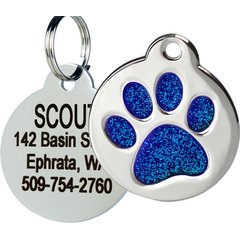

That way, if your cat does make an unexpected escape, they’ll have the best chance of a quick and safe return.
Make Arrangements for Where They’ll Be
With movers, friends, or family coming and going, veterinarian Matthew Murdoch, BVSc, MRCVS, founder of Ferndale Kennels & Cattery, recommends deciding ahead of time where your cat will stay on moving day. This could mean setting them up in a quiet, closed-off room or arranging for them to stay temporarily with a trusted friend or boarding facility.
You’ll also want to plan where your cat will be during the actual journey. If you’re traveling by car, your cat should always ride secured in a carrier. This keeps them safe in the event of an accident and preventsdistractions while driving.
Recommended Products

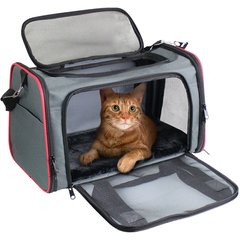
If you’re flying, your cat may travel with you in the cabin in an airline-approved carrier or in the cargo hold. The best option depends on your cat’s temperament and your travel experience.
“It’s dimly lit, temperature-controlled, oxygenated, and pressurized, creating a calm environment where your cat can relax or fall asleep,” she says.
For pet parents seeking extra support or those relocating long distances, professional pet transportation companies can also help manage the logistics of safely moving your cat.
Check Airline Carrier Requirements
Airline carrier requirements vary, so be sure to review your specific airline’s guidelines well before booking your flight.
Generally, cats traveling in cargo must be secured in a hard-sided, airline-approved carrier. For cats flying in the cabin, many airlines allow soft-sided carriers that fit under the seat in front of you.
You can also review the International Air Transport Association (IATA) Live Animals Regulations, which outline standard carrier requirements for air travel.
Acclimate Your Cat to Their Carrier
Whether you’re moving nearby or across the country, your cat will need to tolerate time in a carrier.
Cat and dog training and behavior specialist Susan Nilson recommends getting your cat comfortable with their carrier well before moving day. Start by simply setting it out in a common area for them to explore, then gradually encourage them to eat nearby, play inside, and eventually rest in it with the door closed.
“By building this up slowly in advance, your cat will already feel safe in their carrier and have accumulated positive experiences with it,” Nilson says. “This removes one enormous stressor when it comes to travel day.”
Ready Their Carrier for Travel Day
Nilson also suggests lining the carrier with absorbent pet pads, such as HoneyCare Cat Litter Pads, in case of accidents. By placing one in the carrier well before travel day, the pads will smell and feel familiar to your cat, she says.
Recommended Product

Some cats respond well to calming aids. Consider spraying feline pheromone products, such as Feliway Calming Spray or Pet Remedy Calming Spray, on or inside your carrier a day or two before the travel day.
Recommended Products


Even if your cat is too stressed to drink while traveling, it’s important that they have access to fresh water. For cats traveling via cargo, Nilson recommends door-mounted water bowls like the Choco Nose No-Drip Cat Water Bottle.
Recommended Product

Moving Day
This is when preparation really pays off.
Keep Kitty Secure
If your cat stays in the home during the move, Dr. Murdoch recommends placing them in a closed—or even locked—room away from the activity. Let movers know where your cat is and post a sign on the door clearly stating, “Cat inside—do not open.”
Pack the Necessities
When it’s time for your cat to move from one home to the next, gather all the essentials. Your list may vary depending on how far you’re traveling and your method of transport, but most cats will need:
- Medications, supplements, or calming aids
- Collar with updated ID tags
- CVI, vaccination records, and any other required health or ownership documentation
- Cat food and water
- Food and water bowls
Recommended Product

- Travel litter box, litter, and scoop
Recommended Products


- Absorbent pads or towels
- Waste bags
Recommended Product

- A familiar blanket or comfort item
- Pet first aid kit
Recommended Product

Follow Your Vet’s Recommendations
Your vet may recommend feeding a smaller meal, or skipping food entirely, a few hours before travel to help prevent nausea. They can also advise on the safest timing for administering any medications or calming aids.
However, many veterinarians advise against sedating cats for air travel. Sedatives can interfere with a cat’s ability to regulate body temperature and may cause respiratory issues at high altitudes.
“We always recommend visiting your veterinarian and asking what they feel would work best for your cat,” says Valerie Neyra, marketing coordinator at WorldCare Pet Transport.
After the Move: The 3–3–3 Rule
Cats don’t necessarily miss places, but they do miss familiar scents and predictable routines, says Dr. Murdoch.
While some confusion and stress are normal at first, following the 3–3–3 rule can help your cat adjust after moving to a new place.
The First 3 Days: Decompress
As tempting as it is to show your cat every inch of their new home, start small. To help them settle in, limit their access to one quiet room stocked with their favorite (and unwashed) bed, toys, and cat tree or scratching post. Familiar scents are a big source of comfort right now.
Stick to your cat’s regular feeding and play schedule. This consistency helps reassure your cat that while their surroundings have changed, things are still safe.
During this time, it’s normal for cats to hide more, eat less, or be more vocal as they adjust, Dr. Murdoch says. However, it’s not normal for cats to stop eating entirely, vomit frequently, or have a change in their litter box habits—these behaviors require a call to the vet.
The First 3 Weeks: Slow Exploration
The fun begins! Gradually allow your cat to explore the home at their own pace. They may still seem a bit quiet or cautious, but you’ll likely see them begin to claim favorite spots—a sunny windowsill, a cozy nook, or the perfect perch on the couch—and show more confidence.
The First 3 Months: Settling Into the New Normal
By this stage, most cats have adjusted, regained confidence, and returned to their normal personality and routines. For many, it feels as though they’ve always lived there.
FAQs About Moving With Cats
How do you move a cat across the country?
Cats can fly in an airline-approved carrier in the cabin or travel in a hard-sided carrier in the cargo hold. If you’re relocating by car, cats should ride securely in a carrier and stay at cat-friendly hotels along the way.
How stressful is moving for cats?
Moving can be stressful for cats, but careful planning and veterinary guidance can make the experience far less overwhelming for your feline BFF.
How long should a cat stay in one room after moving?
Following the 3–3–3 rule, most cats should remain in a single safe, comfortable room with familiar belongings for about three days to allow them to decompress.
Do cats get sad when moving?
Cats may seem withdrawn or a little “off” after a move, but that doesn’t necessarily mean they’re sad. According to Dr. Murdoch, confusion and stress are normal responses, since cats are territorial and sudden changes in scents, sounds, and surroundings can be unsettling.
Do cats get confused when you move?
Yes. Without familiar scents and surroundings, cats can feel disoriented. “The good news is that most cats adapt well once their new territory feels safe,” Dr. Murdoch says. For many cats, full adjustment to a new home takes up to three months.
Attributions