Can Cats Understand Tone of Voice?

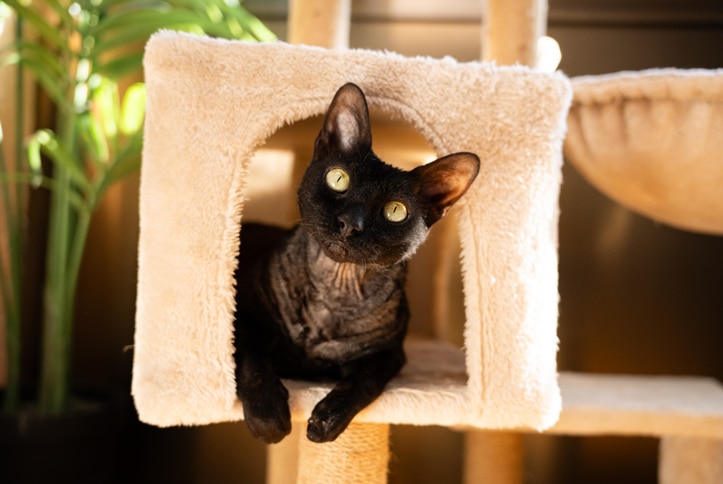
Photo by Alberto Marrupe Gutierrez/iStock/Getty Images Plus
Humans use different tones of voice to talk to other people, but can cats understand your tone of voice too?
Yep—cats are sensitive to the tones we use when talking, and they respond differently to each one.
Here’s what you should know when speaking to your cat and how they may respond.
Key Takeaways
- Cats can understand different tones of voice and often respond to the emotional signals in how people speak.
- Research shows cats tend to respond best to a higher-pitched, friendly tone similar to baby talk.
- Soft, calm voices can help cats feel safe and relaxed, strengthening the bond between cats and their pet parent.
- Firm tones may help get a cat’s attention, but yelling or harsh sounds can frighten them and damage trust.
Can Cats Understand Tone of Voice?
Yes! Cats absolutely pick up on different tones of voice.
Research shows that cats tune in to the emotional cues in how we speak and tend to respond more positively to happy, upbeat tones than to angry or harsh ones.
In a separate study, cats showed stronger reactions to “cat-directed speech”—the higher-pitched, animated voice many people naturally use with pets—than to the tone typically used with other adults.
Do Cats Have a Preferred Tone of Voice?
Yes—cats prefer certain tones of voice over others. In the study above, they responded most positively to a high-pitched, friendly voice similar to baby talk.
That upbeat tone may encourage playfulness, affection, and positivity. Think about how your voice naturally lifts when you greet a kitten—the warmth and energy behind your words matter more than the words themselves.
Soft, calm tones can also strengthen your bond. This is because oxytocin—often referred to as the “love hormone”—is released from both you and your cat, creating a sense of trust and safety. Combine a soft tone with petting or a slow blink and it will create an even greater oxytocin boost.
How Your Tone of Voice Affects Your Cat
Cats are very much in tune with how their pet parents are feeling, including subtle changes in the tone of their voices.
So how you talk to your cat matters, as some sounds can be scary and even traumatic for them.
Here’s how your tone of voice affects your cat:
- Baby talk: When you use friendly, high-pitched tones, it puts your cat at ease. They may show more affection and begin purring. Using this tone and offering your cat a special surprise, such as a catnip toy or an interactive toy, can boost their playfulness.
Recommended Products

- Calming voice: A soft voice can help your cat feel relaxed and at ease.
- Hissing sound: Avoid hissing, as it’ll cause your cat to feel threatened. While it might temporarily stop them from jumping on the counter, it’ll destroy trust in the long run.
- Firm tone: Speaking in a firm, low pitch can be effective for training purposes or to correct any sassy feline behaviors. Your cat will usually be attentive and responsive to this tone.
- Yelling: Never yell at your cat. It’s fearful and distressing, and they’ll likely run to hide. Plus, it can seriously damage your bond, not to mention the trust they have in you.
Tone of voice goes a long way toward keeping your cat calm and happy, but so do environment and enrichment.
A calming diffuser and a calming toy are always a welcome addition to a quiet room.
Recommended Products

And a bit of baby talk paired with an interactive toy is bound to leave your cat happy and purring.
Recommended Products

FAQs About Talking To Your Cat
Do cats like it when you talk to them?
Yes. Cats like familiar sounds, so talking to them forms a positive, friendly association.
Do cats understand words?
Maybe. Cats don’t understand words in the same way that humans do, but they do recognize some words, like their name and basic commands. Unlike humans, they learn association rather than the actual meaning of the word. For example, when you say “treat,” they can associate it with a tasty snack.
Do cats like baby talk?
Yes. Cats like baby talk because the upbeat, positive tone may encourage playfulness, affection, and positivity. They prefer kind, friendly communication.
Do cats recognize your voice?
Yes. Cats do recognize your voice. You’ll probably notice your cat twitching their ears or flicking their tail to acknowledge you.
How do you speak cat?
Cats communicate through body language and vocalizations. You can mimic this by blinking slowly at them and using soft, high-pitched words to show your love.