Why Is My Cat Acting Strange After I Come Home From Vacation?


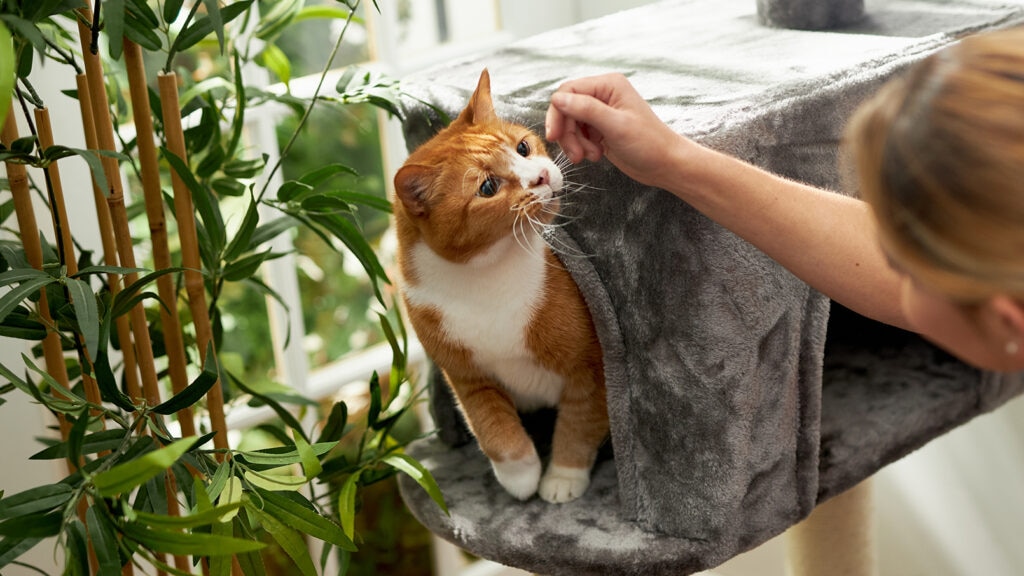
Photo by Chewy
Between frequently checking in with your pet sitter, talking to your kitty via pet camera, and scrolling through your favorite photos of them while you’re away on vacay, you’re finally home and ready to reunite with your best feline friend! But when you do, they’re acting differently. Maybe they’re hiding from you, following you anywhere and everywhere, or giving you the cold shoulder.
Naturally, you might wonder, “Why is my cat acting strange after I come home from vacation?” We spoke to experts to learn more about common reasons why your kitty might act differently upon your return.
Key Takeaways
- It’s normal for cats to act differently after vacation due to stress, routine disruption, or unfamiliar scents.
- You might notice behaviors like hiding, clinginess, or even ignoring you—these are common and usually temporary.
- After travel, your scent may be unfamiliar, which can make your cat feel hesitant or unsure at first.
- With a little time and consistency, most cats settle back into their routine within a few days.
Why Is My Cat Acting Strange After I Come Home From Vacation?
If your cat is acting strangely after you get back from your trip, rest assured it’s not because they don’t love you anymore (far from it!). Usually, it’s because their routine has changed, your scent has changed, or they’re feeling a bit stressed. As a result, things don’t feel quite “normal” to them just yet.
Here are common reasons why cats act odd after you get back from vacation.
Routine Disruption
Like dogs, cats love having a routine and know when you usually get up, leave for work, come home, play with them, and feed them. When this routine changes, it can make them reactive, says Kristiina Wilson, MA, CCBC, a certified cat behaviorist and founder of Cattitude Adjustment in New York City.
“While you’re gone, even if you have the world’s most amazing cat sitter, your cat’s routine will still change, likely causing some stress and anxiety,” Wilson says.
Unfamiliar Scents
Our feline friends know our scent like the back of their paw. When we get back from traveling, we might smell like an airport, hotel, or someone else’s dog, which can cause confusion, apprehension, or overstimulation in our cats.
“You are genuinely a slightly different person to their nose,” says Feargus McConnell, BVSc, a veterinarian in Denver, Colorado. “They’re not being dramatic—they’re doing a legitimate scent audit.”
Separation Anxiety or Stress
Despite their sometimes fiercely independent personalities, cats can experience separation anxiety or stress when they’re away from you.
A couple of telltale signs of separation anxiety in cats include:
- Excessive vocalization
- Destructive behavior
- Inappropriate elimination
- Changes in appetite
- Extreme excitement when you leave or return
Overstimulation or Excitement
Wilson says when you come home, your cat may be overstimulated, excited, and/or relieved just by the fact that you’re finally back. These feelings can result in “weird” behaviors, such as ignoring you, running around, directing aggression toward you, and house-soiling issues.
Inter-Cat Dynamics
In a multi-cat household, Wilson explains that changes in inter-cat dynamics due to stress can cause behaviors like staring, hissing between cats who were previously friends, or blocking paths.
Underlying Medical Issues
Sometimes, out-of-the-ordinary behavior can signal an underlying health problem. Consult your veterinarian to rule out any medical issues.
How To Calm Your Cat When You Return
The key to preparing your BFF for your return? “Be as relaxed and chill as possible to help ease your cats back into the transition of you being home!” Wilson says.
Try these tips to help keep your cat calm when you get back from vacation:
- Greet your cat(s) calmly when you come home. Avoid an overexcited greeting style, Wilson recommends. From there, sit on the floor with them, give them pats, and spend time with them.
- Leave your luggage in another room until they’ve been able to regulate. Wilson says this step is important, as the smells on your belongings might be too much for them all at once.
- Re-establish your routine immediately. Pick up your cat’s normal routine ASAP to help reduce stress. “The fastest signal you can send an anxious cat that everything is fine is that Wednesday feels like Wednesday again,” Dr. McConnell says.
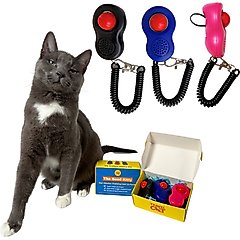
- Provide a calm environment. A few purr-worthy activities for your cat that Wilson recommends trying include playing calming music, clicker training, or offering cat treats.
Recommended Products



How To Make Future Trips Easier on Your Cat
Leaving for vacation without your beloved kitty can be difficult for you both. Fortunately, there are ways to make it easier on your feline friend.
Here are some expert-recommended steps to take before you leave for vacation to maximize your cat’s comfort and reduce their stress:
- Find a full-time, in-home cat sitter. For everyone’s health and happiness, Wilson personally doesn’t travel unless her cats have a pet sitter who can keep their routine as close to normal as possible.
- Try to reduce your own stress around traveling and packing. “Our own emotions can and do absolutely set off a cascade of similar emotions in our feline friends,” Wilson says.
- Leave some of your unwashed clothing behind. While it might seem a little gross, a small number of dirty clothes lets your kitty smell your scent. Plus, Wilson explains that it gives them something to cuddle with while you’re away.
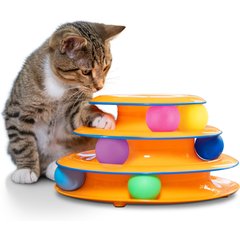
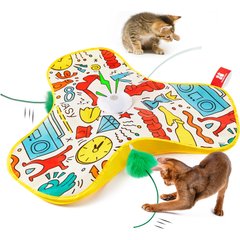
- Provide mental enrichment for your cat. Wilson says enrichment helps keep cats’ minds busy and free of anxiety. Interactive cat toys and puzzle games are a few great ways to keep a cat entertained. Try the Catstages Tower of Tracks toy, Potaroma cat feather toy, or Catstages Buggin’ Out Interactive Enrichment Puzzle & Slow Feeder Cat Toy.
Recommended Products

- Pack somewhere away from your cat. When you’re packing, Wilson says to make sure to do it out of your cat’s line of sight. Packing can be a huge trigger for some cats, especially nervous kitties, because they anticipate the change in their routine.
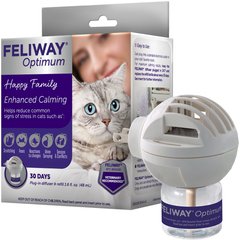
- Try a cat calming diffuser. Pheromone diffusers may help reduce stress and are worth running before you leave for vacation, Dr. McConnell says.
Recommended Products

- Consult your vet about anxiety medications for your cat. If your cat’s anxiety is impacting their health and well-being, your vet may prescribe medication to help manage it.
FAQs About Cats After Vacation
Why is my cat ignoring me after vacation?
Your cat may ignore you after vacation because it’s how they interpret and manage anxiety or stress, Wilson says.
Why is my cat clingier after I return?
Your cat might become clingier after you return from your trip because they have an anxious attachment style, Wilson says.
How long does it take a cat to adjust after vacation?
Wilson says it can take a cat anywhere from a few minutes to a few days to adjust after vacation. The exact time frame depends on your individual cat and how long you were gone.
Can cats get separation anxiety from vacation?
Yes, some cats can get separation anxiety from vacation.
When should I be concerned about my cat’s behavior?
If your cat still seems stressed or upset after two to three days of being back from vacation, is having litter box problems, or is not eating, our experts recommend contacting your veterinarian.
Attributions