11 Cat Breeds Susceptible to Anxiety

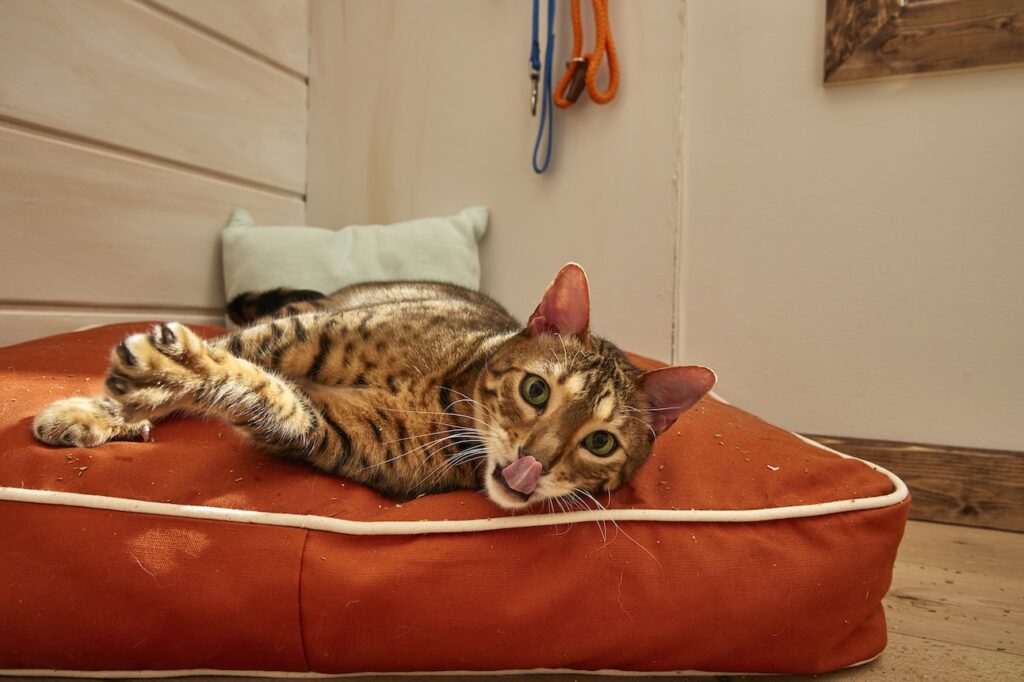
Photo by Chewy
Any cat can develop anxiety, and for many different reasons. But some cats may be genetically predisposed to anxiety more than others, including certain breeds.
Knowing which cat breeds tend to be more anxious than others can help you make an informed decision about bringing one of these kitties into your home—and once they’re part of your family, this knowledge can help them live their best life.
Key Takeaways
- Any cat can develop anxiety for many different reasons.
- Some cat breeds may be more predisposed to anxiety than others.
- Some of the most common anxious cat breeds include the Siamese, Abyssinian, and Russian Blue.
- Talk to your veterinarian about any changes in your cat’s behavior, including sudden anxiety.
11 of the Most Anxiety-Prone Cat Breeds
Here’s the thing: Any cat can develop anxiety for several reasons, and cats can be genetically predisposed to anxiety regardless of breed.
Just because a breed tends to be more anxious does not mean that every individual cat of that breed will automatically have anxiety. Anxiety can be influenced by the environment and a cat’s early-life experiences—not just genetics.
That said, the breeds below have shown a higher prevalence of anxiety than some other cat breeds.
1. Abyssinian
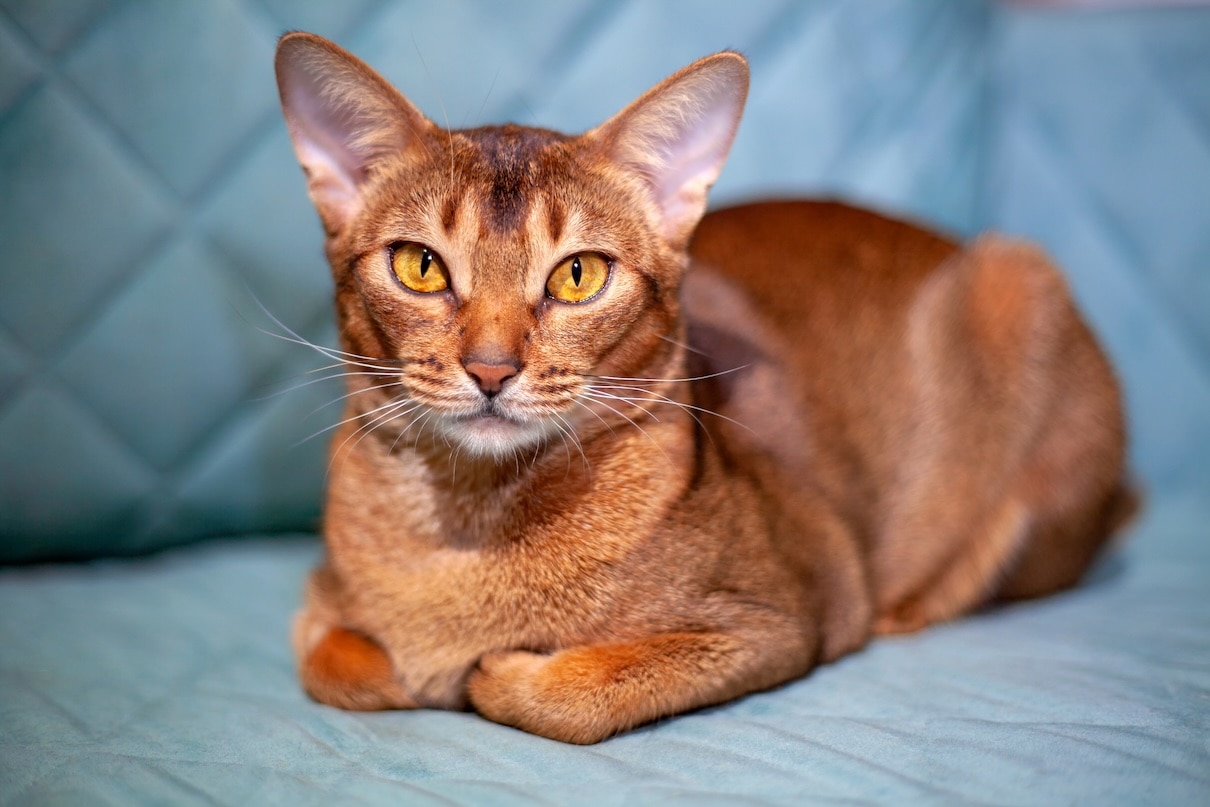
Photo by Vera Chitaeva/iStock / Getty Images Plus via Getty Images
Abyssinians are highly active cats, so without enough enrichment they can become bored and anxious.
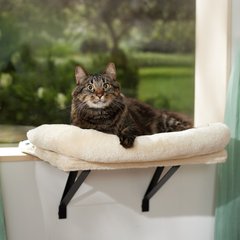
To help your cat thrive, schedule two to three play sessions every day, each lasting 10–15 minutes. When you can’t play, make sure your cat has access to other forms of enrichment, such as puzzle toys, vertical spaces (like cat trees or elevated perches), and window perches for viewing wildlife.
Recommended Products

2. Bengal
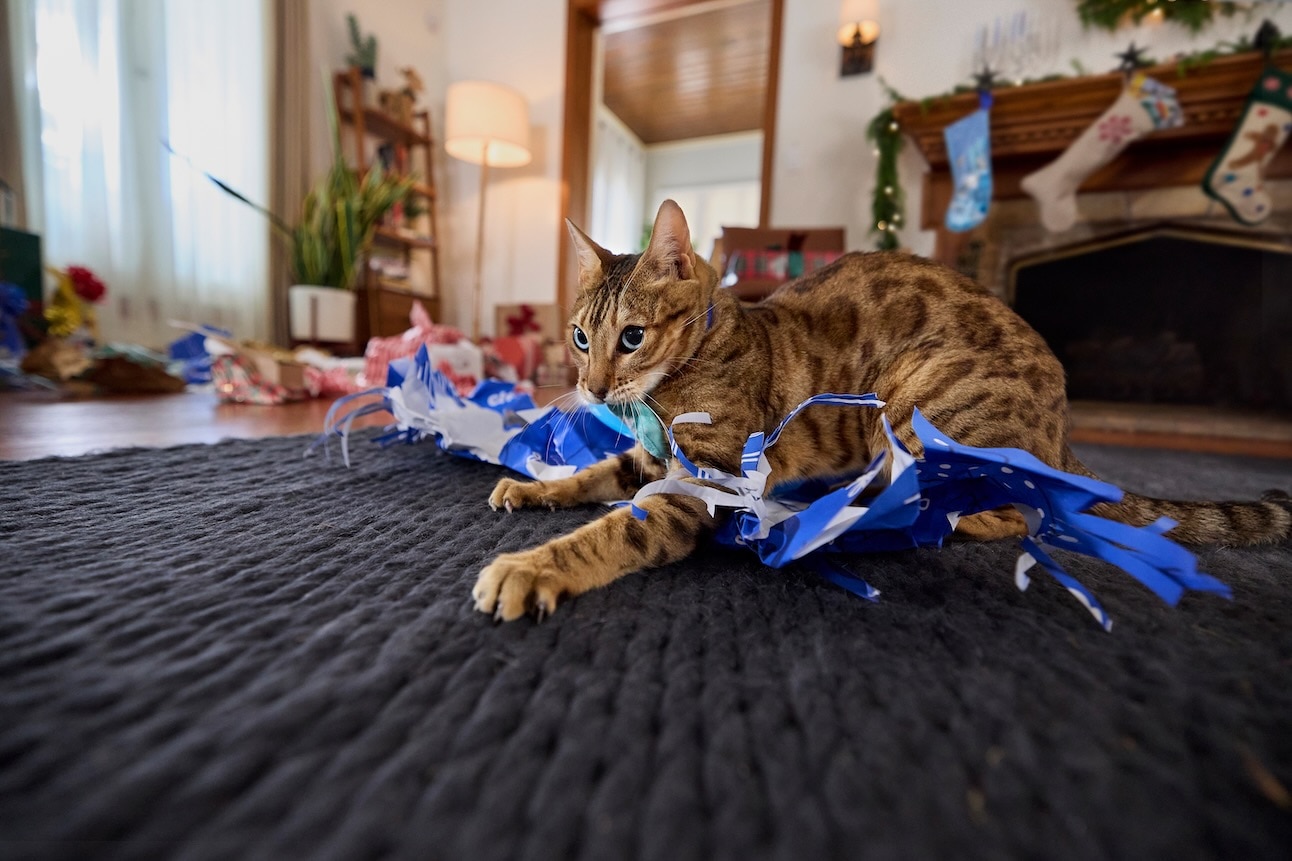
Photo by Chewy
Like the Abyssinian, Bengals are highly active and highly social. This means they can develop separation anxiety in addition to anxiety related to a lack of enrichment.
Compared to other cats, Bengals may need more frequent and/or longer play sessions with their people each day. Some may even benefit from a feline companion of a similar temperament if their family is away from home for much of the day. Or, cat parents can consider hiring a pet sitter to provide daily social visits.
3. Burmese
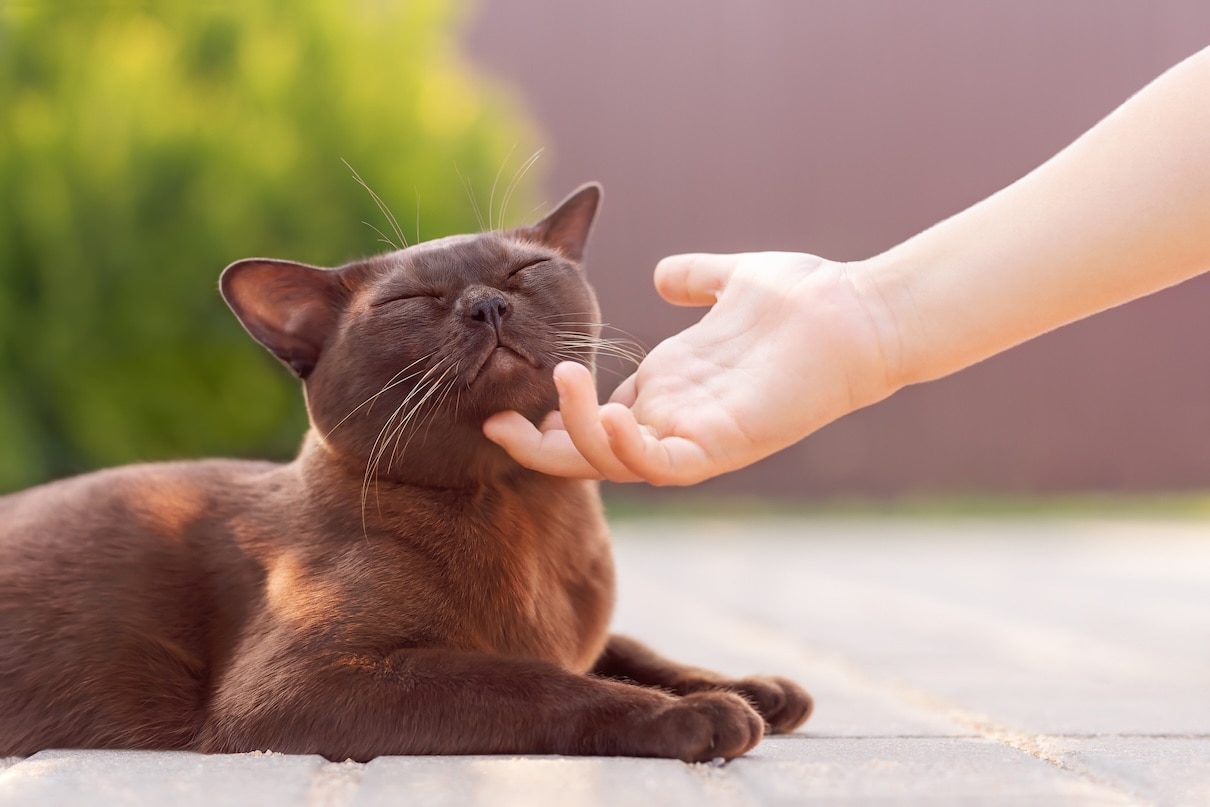
Photo by Liudmila Kudritskaya/iStock / Getty Images Plus via Getty Images
Burmese cats are very social and affectionate with their people, making them prone to separation anxiety. Like Bengals, they may need extra—or longer—play sessions during the day to help prevent anxiety.
4. Cornish Rex
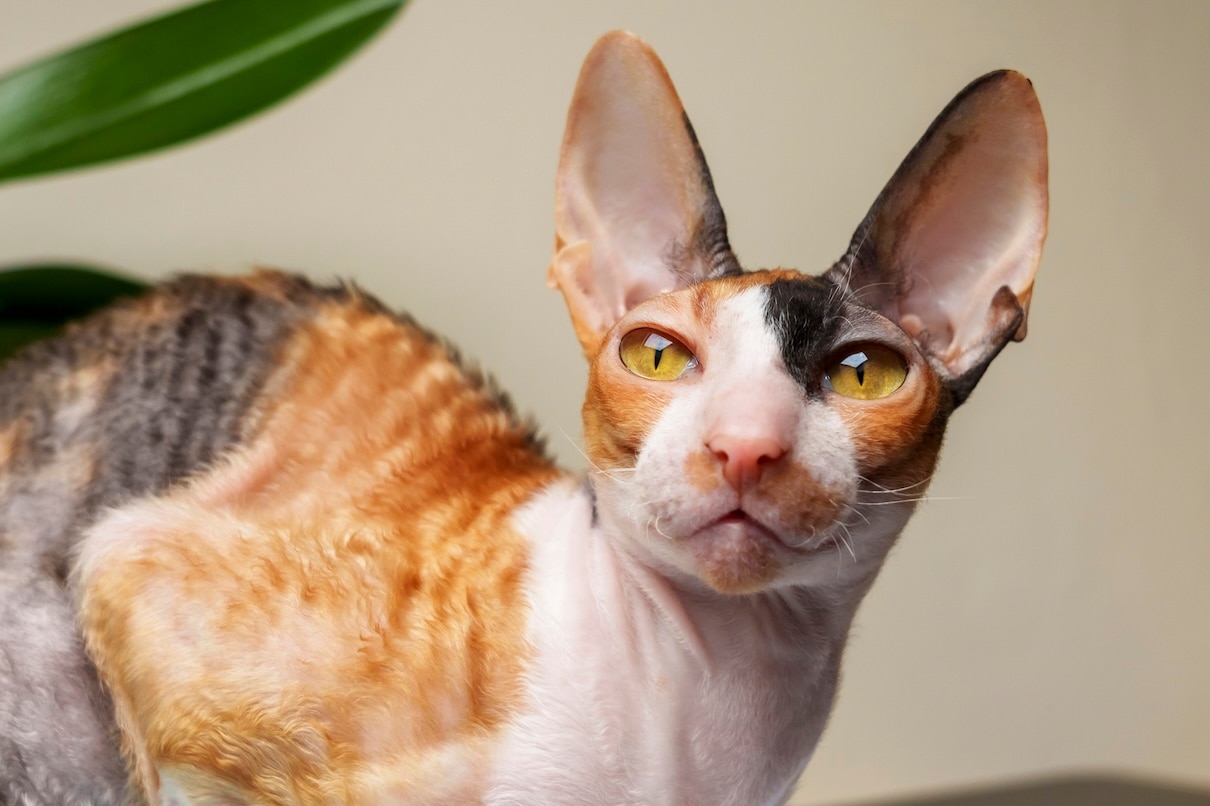
Photo by PAVEL IARUNICHEV/iStock / Getty Images Plus via Getty Images
Cornish Rex cats are smart, playful, and friendly. Because of this, they can develop separation anxiety as well as anxiety related to a lack of enrichment.
To help keep anxiety at bay, play with your cat every day and provide mental stimulation through items like food-dispensing toys and puzzle toys.
5. Devon Rex
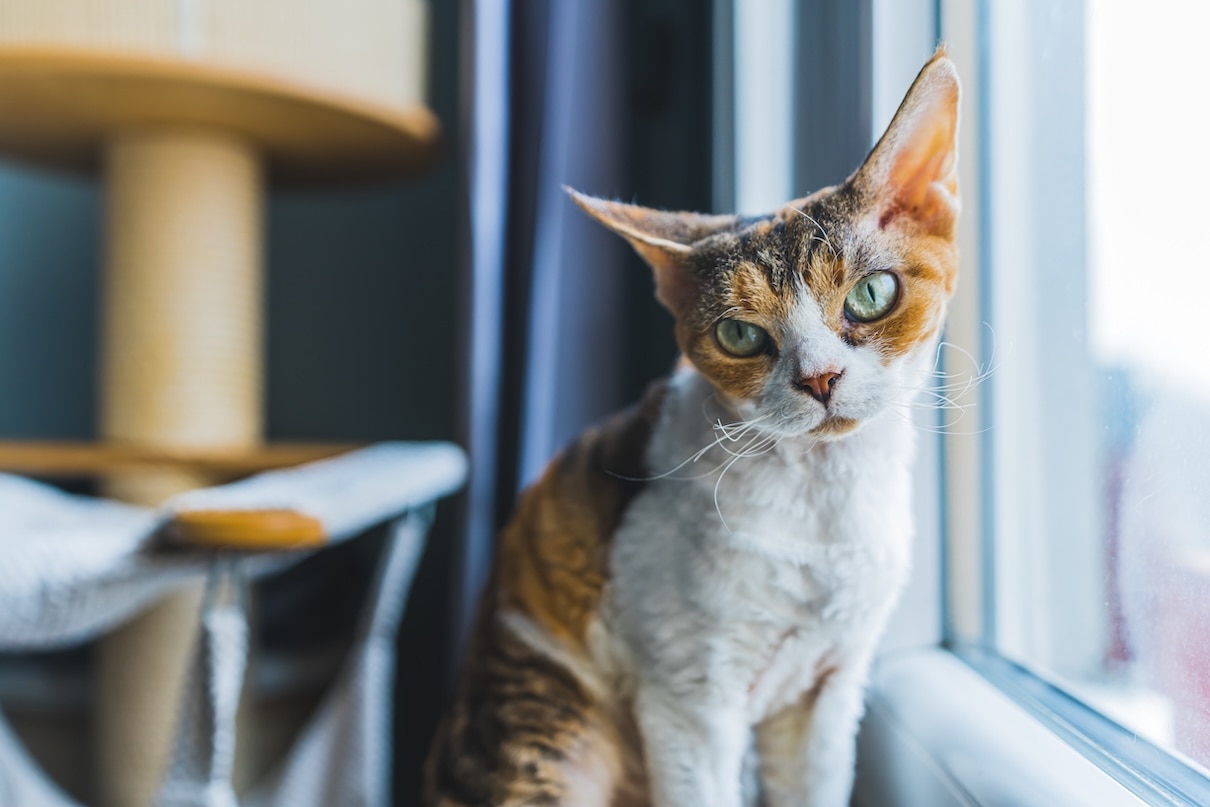
Photo by Adobe/PoppyPix
The Devon Rex is very similar to the Cornish Rex in both appearance and personality. As a result, they can also be prone to separation anxiety.
Make sure your Devon Rex has plenty of enrichment in the form of playtime, interactive toys, and elevated spaces, such as cat shelves, where they can observe their surroundings.
Recommended Products
6. Persian
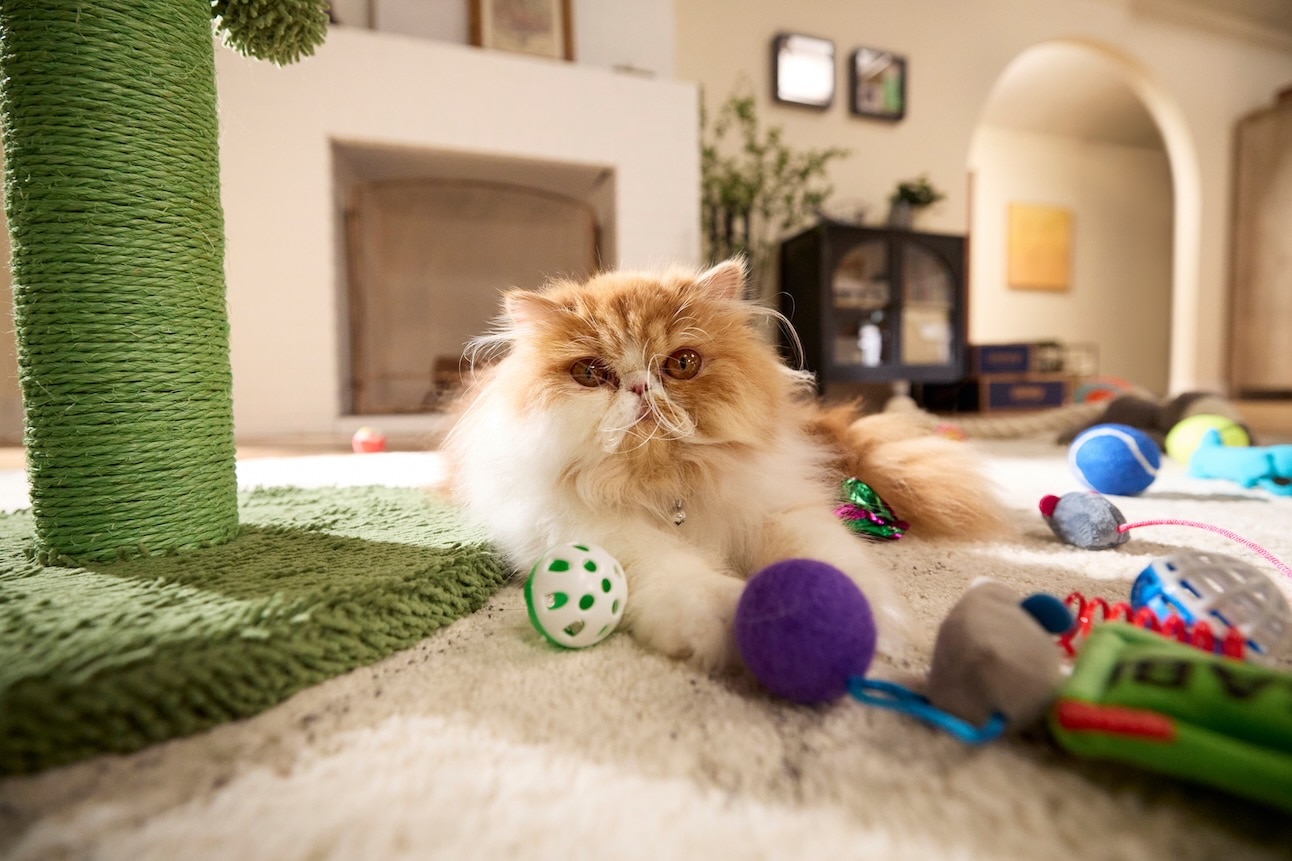
Photo by Chewy
Persian cats are another breed known for forming close bonds with their human family members. They also tend to be especially sensitive to change. As such, Persians thrive when they can spend a lot of time with their favorite people, whether through play sessions or quiet time snuggled on the couch.
Persians also do best with consistent routines that provide predictability and stability. Ensuring they have easily accessible hiding places can help them feel more secure when changes do occur.
Recommended Products
7. Oriental Shorthair
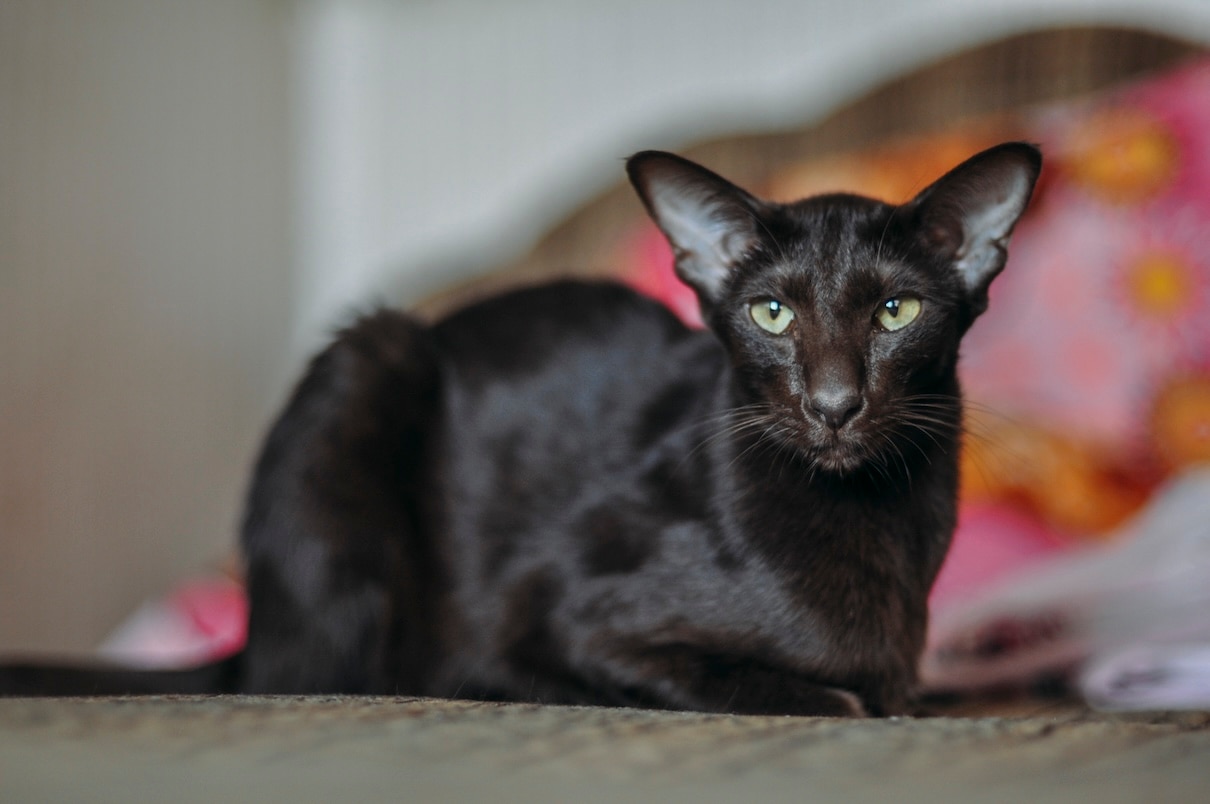
Photo by Erika Parfenova/iStock / Getty Images Plus via Getty Images
Oriental Shorthairs can experience anxiety for several reasons. As social, intelligent cats, they need both human interaction and mental stimulation to thrive.
They are also sensitive to changes in routine and environment, much like Persians. Because of this, they benefit from plenty of daily playtime with their favorite people, mental stimulation from puzzle toys and food-dispensing toys, and a consistent routine. Perches and hiding places can also help them feel secure when they need time to decompress.
8. Russian Blue
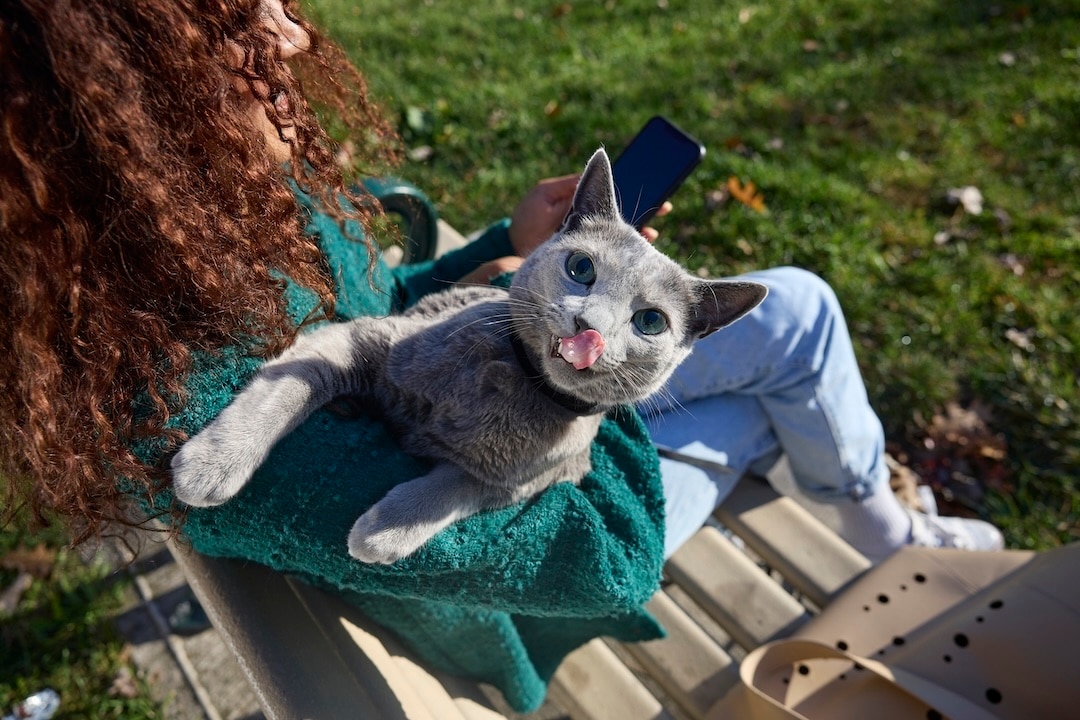
Photo by Chewy
Russian Blues are beloved for their beautiful silver-gray coat and the deep bonds they form with their people. They’re highly sensitive to changes in their environment and routine and can develop separation anxiety as well as fear-based anxiety around unfamiliar people.
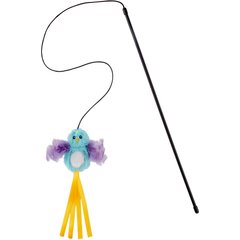
Cat parents can help their Russian Blue by establishing a consistent routine, providing safe spaces where they can retreat when life changes inevitably happen, and offering plenty of interactive playtime with toys such as wand teasers.
Recommended Products

9. Siamese
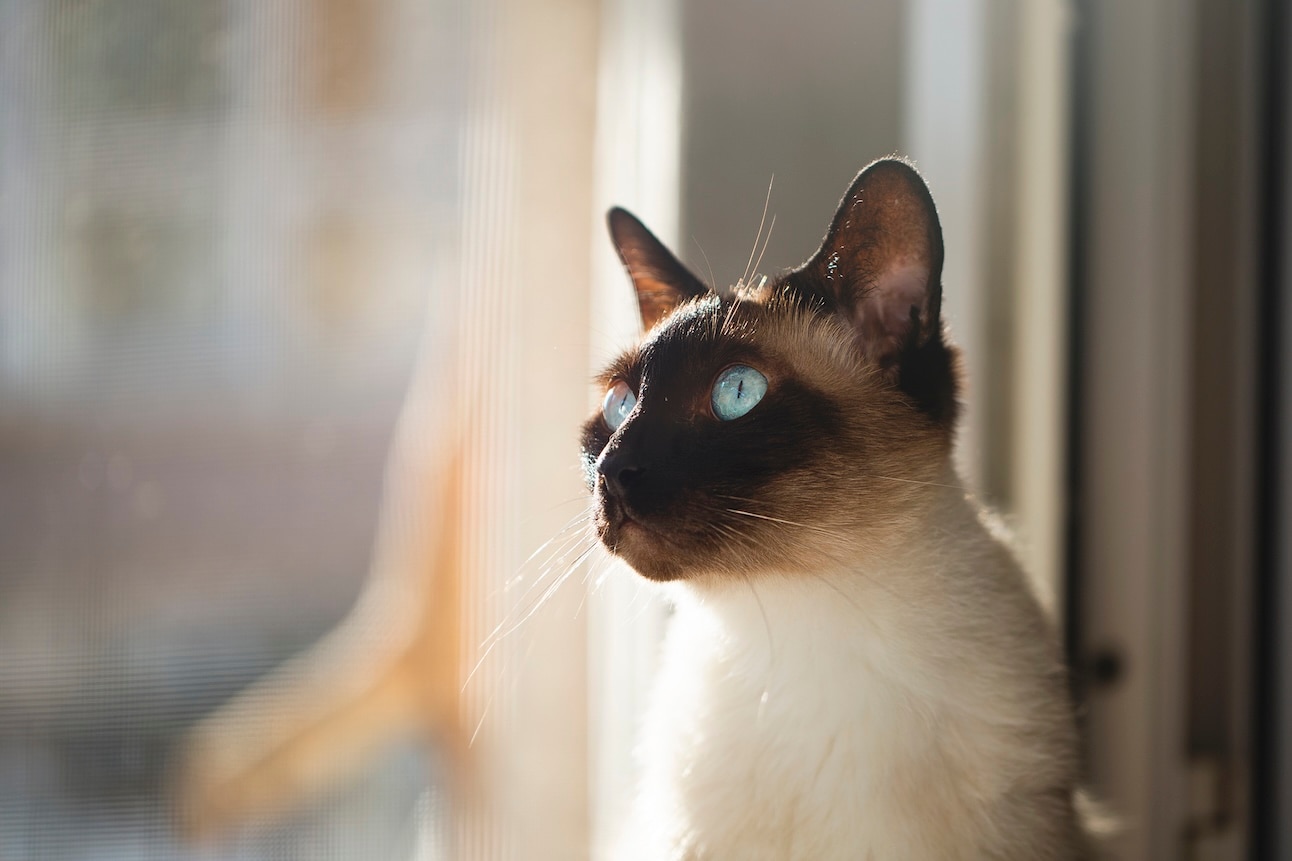
Photo by Xesai/iStock / Getty Images Plus via Getty Images
Siamese cats are highly social, and they’re another breed prone to separation anxiety and anxiety caused by a lack of mental stimulation. In fact, they can become destructive and overly vocal if left alone for long periods.
10. Scottish Fold
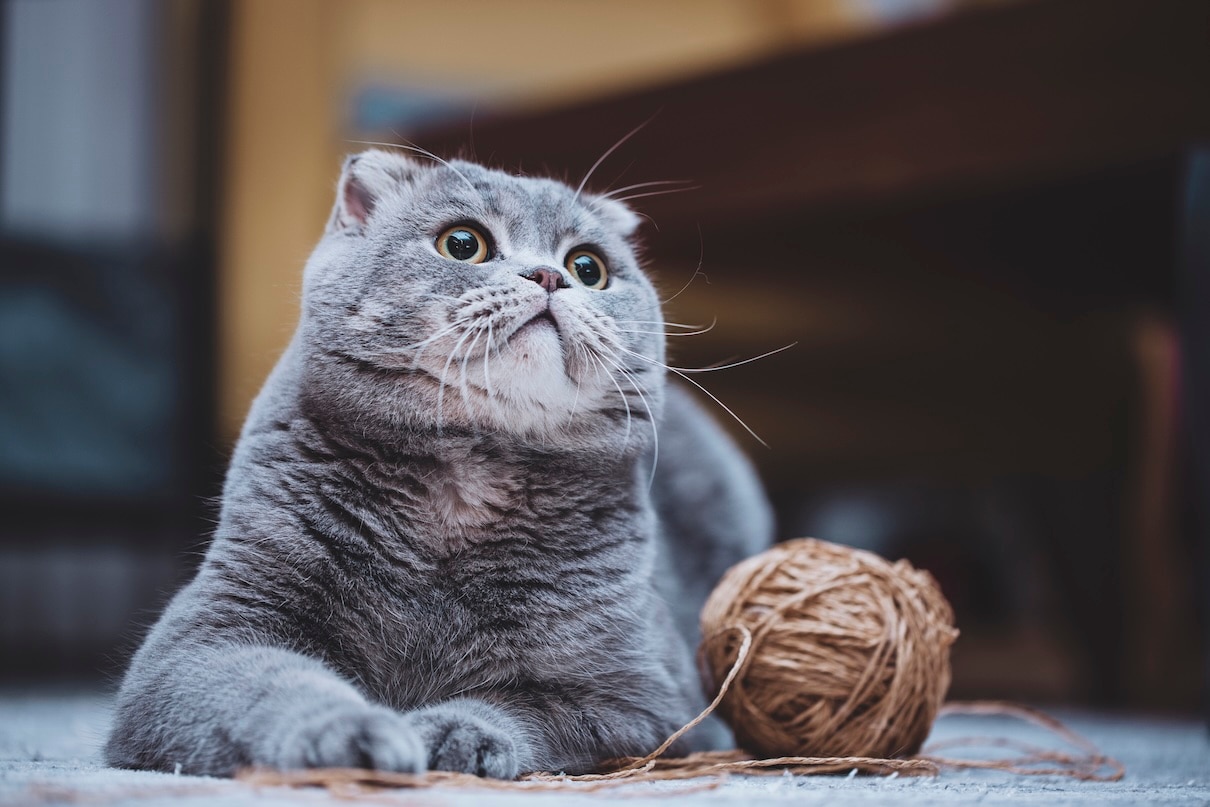
Photo by Xesai/E+ via Getty Images
Scottish Folds are an incredibly affectionate and social cat breed. As such, separation anxiety is one of their most common anxiety-related concerns. This means a pet sitter or another four-legged sibling can help keep them comfortable and reduce their anxiety if you’ll be gone.
11. Sphynx
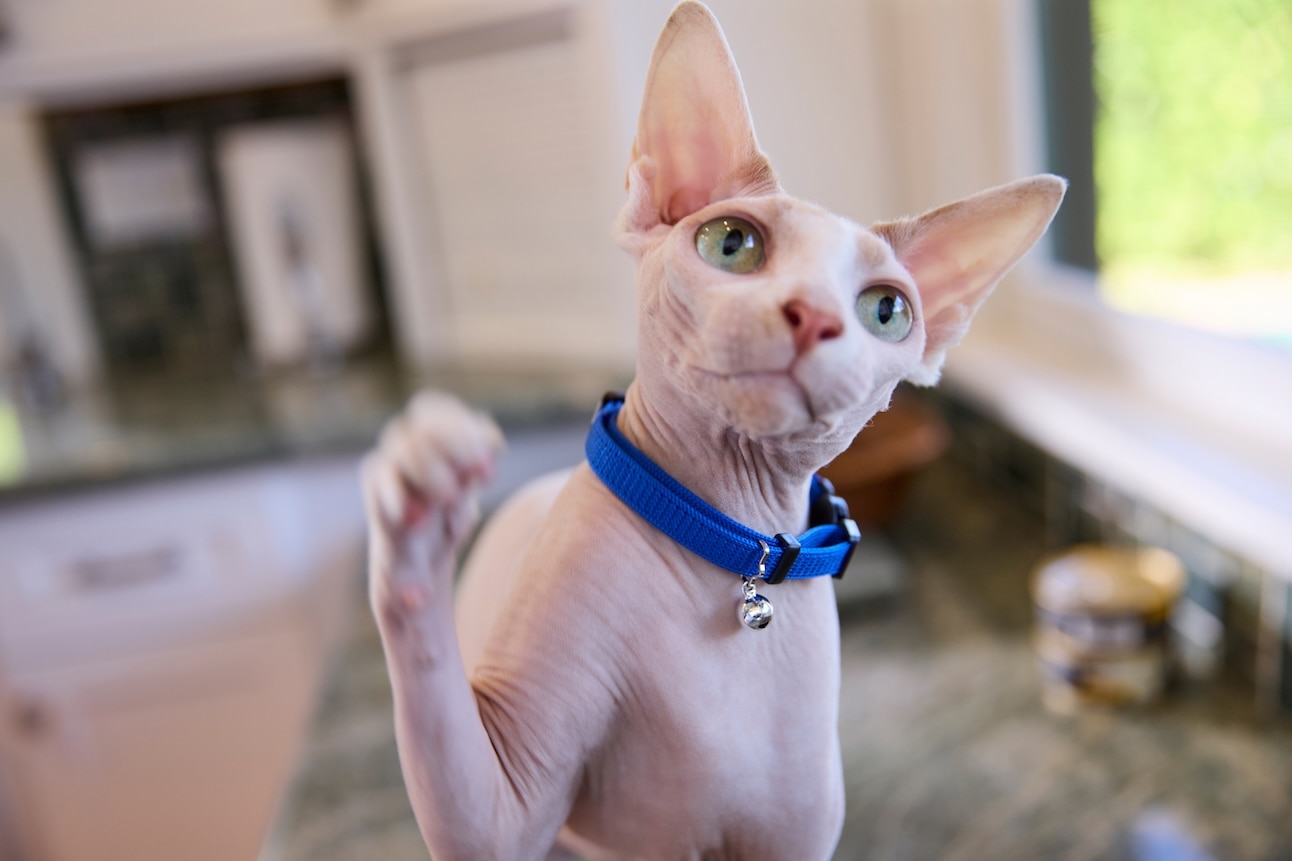
Photo by Chewy
Sphynx cats are playful, social, and prone to separation anxiety. They thrive in busy households with human and animal companions who can provide regular interactions and play throughout the day.
How To Help an Anxious Cat
While every cat with anxiety has unique needs, there are a few things you can do to help most anxious cats.
Stick to a Routine
Providing a cat with a consistent, predictable routine is a great foundation for managing anxiety symptoms. This includes:
- Feeding them around the same time each day
- Waking up and going to bed around the same time every day
- Scheduling play sessions for roughly the same time each day
A predictable routine helps cats feel more secure because they know when important daily events will happen, reducing uncertainty that can make anxiety worse.
Provide Enrichment
Providing enrichment that matches your cat’s preferences is also important for managing anxiety. Depending on what your cat enjoys, this can include:
- Interactive play sessions with wand toys
- Multiple elevated perches they can climb
- Feeding part of their daily meals in puzzle toys or food-dispensing toys
- Access to windows where they can watch wildlife
Some anxious cats may also appreciate easily accessible hiding spaces where they can retreat and decompress.
Try Calming Products
In some cases, anxious cats may benefit from calming products, such as pheromone diffusers and calming supplements.
Recommended Products
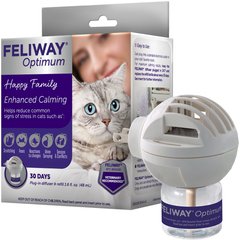


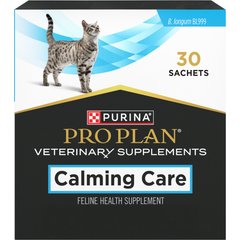
These products can take a few weeks to begin working but may be a worthwhile long-term investment in your cat’s emotional well-being.
Some cats may even need prescription anti-anxiety medications, so it’s important to speak with your veterinarian if your cat tends to be anxious. They can help determine the best treatment plan for your individual cat.
Sudden anxiety can also be a sign of an underlying medical condition, such as hyperthyroidism, arthritis, or dental disease. Any change in your cat’s normal behavior should be evaluated promptly by a veterinarian.