Alaskan Klee Kai
Updated February 23, 2026
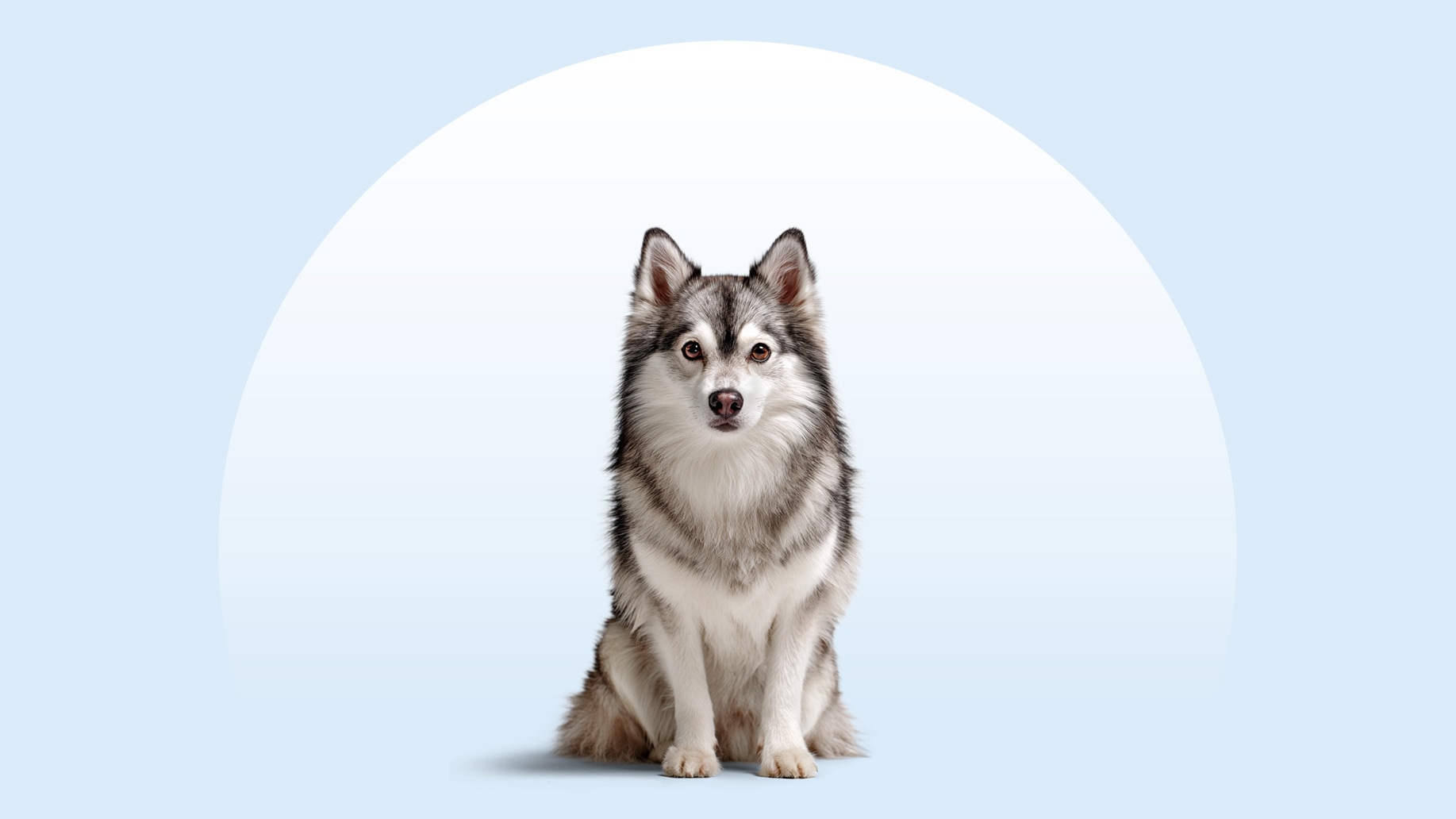
Alaskan Klee Kai
Updated February 23, 2026
The Alaskan Klee Kai is a small, striking spitz breed with a Husky-like look and big personality. Smart and energetic, they thrive on daily exercise, training, and mental enrichment. Loyal with family but often reserved with strangers, Alaskan Klee Kai do best with patient, consistent socialization.
Intelligent, Loyal, Reserved
6–25 pounds
12–17 inches
13–16 years
Black and White, Gray and White, Red and White
The Alaskan Klee Kai has the striking looks and big personality of a Siberian Husky, but in a pint-sized package.
They’ll turn heads on every walk, but keep in mind: This isn’t a dog who loves everyone right away. Alaskan Klee Kai bond deeply with their people but take their time warming up to strangers.
Smart, energetic, and a bit mischievous, they need daily exercise and brain games to stay happy. Be ready for shedding, plenty of “talking,” and a dog who thrives on routine and being close to their favorite humans.
Alaskan Klee Kai Characteristics
Alaskan Klee Kai Appearance
The Alaskan Klee Kai is a spitz-type dog who looks like a miniature Siberian Husky, weighing just 6–25 pounds, while Huskies can tip the scales at 60 or more.
Klee Kai dogs are compact, athletic, and full of personality. Their foxlike face, bold facial mask, upright ears, and curled tail give them an alert, expressive look that’s impossible to miss.
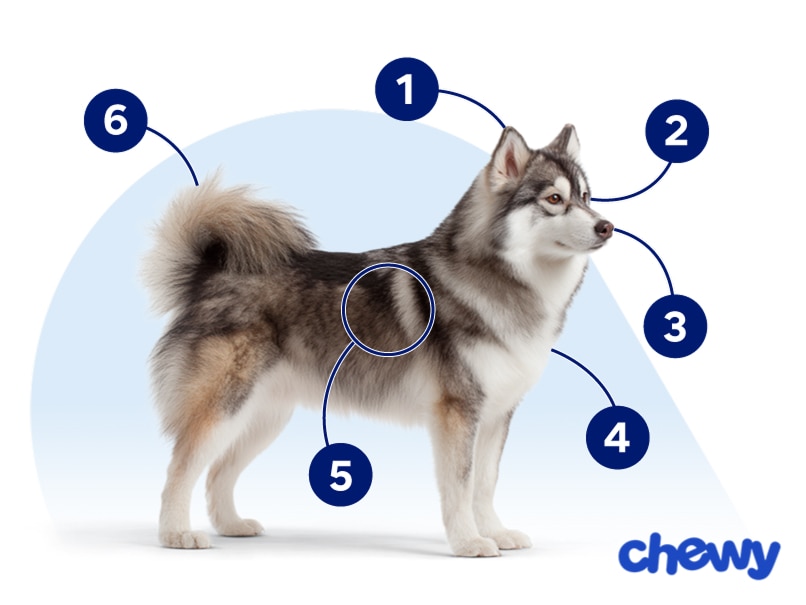
- Ears
Their signature triangular ears stand tall, always ready to catch every sound. They give the Klee Kai an always-on-duty look.
- Eyes
Their expressive, almond-shaped eyes can be brown, blue, green, or even two different colors, adding to the breed’s striking appearance.
- Nose
The nose is black or liver (brown), depending on coat color.
- Coat Length
Klee Kai dogs have a plush double coat with a soft underlayer and a straight outer coat that keeps them warm without looking bulky.
- Coat Color
You’ll see them in black and white, gray and white, or red and white. And always paired with a bold, well-defined facial mask.
- Tail
Their fluffy tail often curls neatly over their back when they’re alert, then drops down when they’re relaxed.
Alaskan Klee Kai Temperament
Living with an Alaskan Klee Kai means sharing your home with a loyal little shadow who’s always tuned in to what’s happening around them.
They’re affectionate and playful with their people, but don’t be surprised if they keep a polite distance from new friends at first. This is a breed that likes to observe and decide for themselves, but once trust is earned, their bond runs deep.
Make sure introductions are done at your pup’s preferred pace. Investing in early and consistent socialization for your Alaskan Klee Kai puppy is also incredibly important for helping them be comfortable and confident in new situations.
Alaskan Klee Kai tend to do best with older, respectful kids who understand boundaries, as they can be sensitive to rough play. With early socialization, they usually get along well with other dogs, especially those who match their energy. Klee Kai dogs can also live peacefully with cats and other pets, but early introductions and supervision are important due to their natural prey drive.
“Because prey drive may be present, Alaskan Klee Kai should always be kept on a leash, or in a securely fenced or enclosed area when outside the home,” says Cheryl Simpson, vice president of the Alaskan Klee Kai Association of America.
Related Breeds


How to Care for a Alaskan Klee Kai
Caring for an Alaskan Klee Kai dog means committing to an intelligent, alert companion with a lot of personality packed into a small body. Pet parents can expect a dog who needs daily exercise, mental stimulation, and routine.
Grooming
Training
Diet
Exercise
Environment
Alaskan Klee Kai Health
The typical Alaskan Klee Kai lifespan is 13–16 years.
Reputable Klee Kai puppy breeders screen their dogs for common health risks to produce healthy puppies, and the breed is generally considered healthy. But like all dogs, they can be prone to a few health concerns.
- Patellar luxation: This condition happens when the kneecap slips out of place, and it’s common in smaller dogs like the Alaskan Klee Kai. Mild cases are often managed with lifestyle adjustments, supplements, and medications, while more serious cases may require surgery.
- Thyroid disorders: Hypothyroidism can cause weight gain, lethargy, and skin or coat changes. It’s managed with daily lifelong medication.
- Eye conditions: Some Alaskan Klee Kai may develop inherited eye issues such as juvenile cataracts or corneal dystrophy. Routine eye exams are important to help monitor your pup’s eye health.
- Factor VII deficiency: This is a rare inherited bleeding disorder that affects blood clotting. Dogs with this condition may bleed longer after injuries or surgical procedures. Many live normal lives with proper precautions, and genetic testing is available to identify carriers.
- Dental disease: Small breeds like the Alaskan Klee Kai are especially prone to dental problems. Regularly brushing your dog’s teeth with a dog-safe toothpaste and toothbrush, along with veterinary teeth cleanings, is the best way to prevent this condition. You can also offer your Klee Kai dental chews and water additives like VETRADENT Dental Water Additive.
- Obesity: Extra weight can quietly worsen joint problems and be related to other health problems in your Klee Kai. Work with your vet to keep your dog at a healthy weight.
Alaskan Klee Kai History
Alaskan Klee Kai history doesn’t date back far. The breed was created in the 1970s in Alaska by breeder Linda S. Spurlin.
According to the Alaskan Klee Kai Association of America, Spurlin was in love with the look of the Husky, but she wanted a smaller version that could fit more comfortably into everyday home life. Through selective breeding using smaller dogs, she created a compact companion with the same striking appearance and sharp intelligence.
Unlike their sled-pulling relatives, Alaskan Klee Kai were never meant to be working dogs. They were bred to be companions from the beginning.