Are Dogs Affected by Daylight Saving Time?


Photo by Chewy
You already know that changing the clocks for daylight saving time can disrupt your day. You’re groggier, your regular eating time is thrown off, and even your new bedtime feels weird. So, it’s only natural to wonder: How do dogs experience daylight saving time?
Key Takeaways
- Dogs are creatures of habit and can be affected by daylight saving time changes.
- Common signs include restlessness, whining, altered hunger levels, and disrupted sleep.
- Gradually adjusting their schedule ahead of the time change can ease the transition.
- Creating a calm environment and keeping routines consistent helps dogs adapt faster.
Are Dogs Impacted by Daylight Saving Time?
Yes, dogs are affected by daylight saving time. Like many pets or other animals who live closely alongside humans, they are impacted by both the start and end of daylight saving time.
“While they may not tell time like we do, our pets are very attuned to their daily routines, especially around mealtimes, walks, and sleep,” says Michael Q. Bailey, DVM, DACVR, a veterinarian and president of the American Veterinary Medical Association (AVMA). “When those routines shift suddenly, it can throw them off for a few days.”
How Daylight Saving Time Affects Your Dog’s Routine
Daylight saving time impacts your pup in a lot of the same ways it disrupts your own schedule.
Disruption of Feeding Schedules
“Dogs who are used to eating at the same time every day may show signs of confusion, restlessness, or begging an hour earlier [or later] when the clocks change,” says Emily King, DVM, a veterinarian at All-Star Veterinary Clinic in Westfield, Indiana.
“Their internal clocks don’t reset immediately, so they might seem extra hungry or unsettled.”
Changes in Potty Breaks and Walks
Similarly, Dr. King says dogs who go for potty breaks or walks at the same time every day may feel the time shift. They might whine at the door to go out early, have accidents, or seem anxious, she says.
Alteration of Sleep and Wake Patterns
Sleep and wake patterns are another way dogs are affected by daylight saving time.
“The change in routine and daylight can throw off your pet’s internal clock, so your dog might seem groggy in the morning or more anxious at night as they try to adjust,” Dr. Bailey says.
New Departure and Arrival Times
No doubt your pup is super excited to see you come home every day, and they’ve internalized exactly when you’re going to walk in the door or leave in the morning. During this transition period they might seem extra excited to see you, or they may experience separation anxiety.
Signs of Stress or Strange Behavior After the Clock Change
The signs your dog is affected by daylight saving time can be subtle. Look for these changes after the clock springs forward or falls back.
- Restless energy or grogginess
- Anxiety (can be accompanied by behavioral issues)
- Accidents in the house
- Waiting at the door to go to the bathroom
- Whining or pacing around mealtime or potty breaks
- Not interested in going to the bathroom
- Extra hungry (or not as hungry) around mealtime
- Very eager when you arrive home
How Long Does It Take for Dogs to Adjust?
It takes most dogs a few days to about a week to adjust to daylight saving time. In some outlier cases—especially with senior dogs or puppies—Dr. King says it can take up to two weeks for a full adjustment.
“As dogs settle into the new routine, you’ll notice them becoming more relaxed at the new meal and walk times,” Dr. Bailey adds. “Their alertness and energy will better align with the shifted schedule, and any signs of anxiety, such as pacing or whining, should diminish within a few days.”
Tips for Helping Dogs Through Daylight Saving Time Changes
How can you help your dog adjust to the new schedule? Follow these expert tips:
Make Gradual Changes in Advance
Gradual change is always best for dogs. If possible, Dr. Bailey says, start shifting your dog’s schedule by 10–15 minutes a day in the week leading up to the time change. This will make things feel less abrupt once the clock resets.
Stay Consistent
Once the time changes and you’re officially on a new schedule, Dr. King recommends sticking to it as closely as possible. This helps them settle in and better understand there’s been a permanent change. (Well, until daylight saving time switches again.)
Create a Soothing Environment
If your pup seems anxious, do your best to create a soothing environment. A ThunderShirt has been shown to calm anxious pups, and cam, quiet spaces are also helpful.
Recommended Product
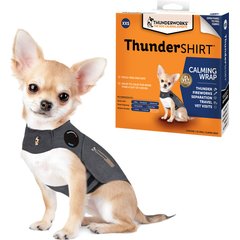
Make sure their kennel is extra cozy, and try to remain calm yourself. “Extra affection, mental stimulation, and predictability help reassure dogs while their internal clock catches up,” Dr. King says.
Interact With Them
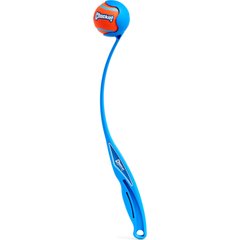
Interactive play, training sessions, long walks, or puzzle toys can also help distract and calm pets who seem unsettled, Dr. Bailey notes. The Nocciola Ribbon Eel Snuffle Squeaky Stuffing-Free Plush Dog Toy is a fun one that gets high praise from pet parents, and you can’t go wrong with a Chuckit! Classic Ball Launcher Dog Toy.
Recommended Products
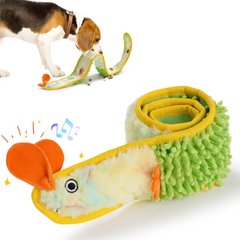
Along with helping distract them, mental and physical activity can wear them out so they sleep better at night, and it’s also a great bonding opportunity. As always, reach out to your veterinarian if your pet is showing signs of prolonged stress or behavioral changes.
Attributions