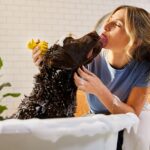
How To Groom a Dog


Maybe your pup is prone to getting into mucky messes. Maybe they have adorably stinky Frito feet. Maybe they could just use a spa day. No matter the reason, knowing how to groom your dog at home is essential.
Not only does at-home grooming keep your dog clean and comfortable, it also saves money and strengthens the bond between you. Whether you’re trying to limit your professional grooming visits or would rather DIY your pooch’s pampering altogether, we spoke with experts to learn more about the best techniques and tips on how to groom a dog.
Key Takeaways
- Grooming a dog at home helps maintain their coat health, dental hygiene, and nail length while strengthening your bond.
- Essential dog grooming tools include a brush, comb, nail trimmer, shampoo, ear cleaner, and dog toothbrush.
- Most dogs benefit from regular brushing, monthly nail trims, and routine ear and dental care.
- Consult a professional groomer if your dog has matted fur or health concerns, or requires breed-specific haircuts.
How To Groom Your Dog at Home
Wondering, “How do I groom my dog?” or “Where do I even start?” We’ve got you covered.
Below is a step-by-step overview on how to groom your dog:
1. Set Up Your Grooming Area
First things first: You’ll need the right supplies.
Here are some tools you’ll need to start dog grooming at home:
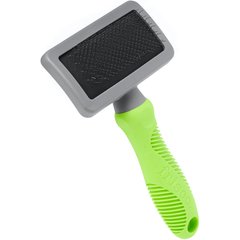
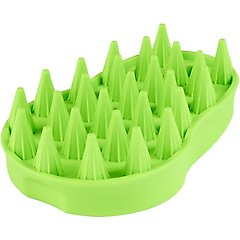
- A slicker brush or curry brush to remove loose and dead hair
Recommended Products
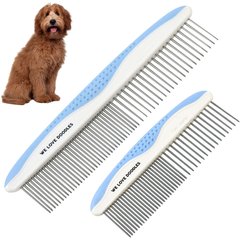
- A comb for deshedding and detangling after using a slicker brush
Recommended Product
- Clippers to manage thicker coats and remove fur in larger amounts
Recommended Product

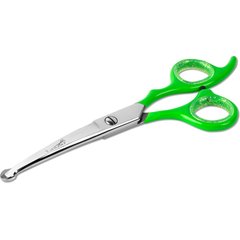
- Scissors for precise hair trims
Recommended Product
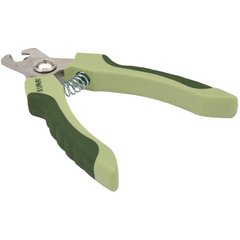
- A nail trimmer (clippers or a grinder) to cut nails
Recommended Products

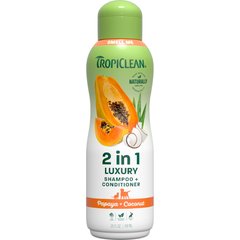
- Dog shampoo for bathtime
Recommended Product
- Cotton balls for ear cleanings and to keep water out of your dog’s ears while bathing
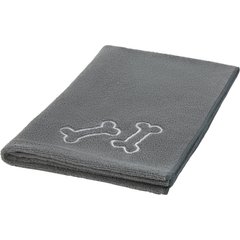
- Towels for post-bath drying
Recommended Product
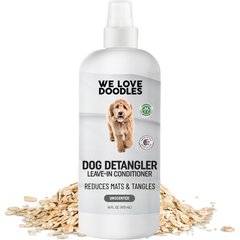
- Detangling spray for long-haired dogs prone to tangles
Recommended Product
Recommended Product

- Dog ear cleaner (if needed)
Recommended Product

If your dog is uncomfortable with being groomed, there are ways to slowly but surely help them feel more secure before you get started.
Kaeleigh Bowen, education department administrator of the American Kennel Club grooming department in Raleigh, North Carolina, breaks down how to set up a safe, stress-free area for your dog:
- Choose a clean, quiet space where your dog already feels comfortable. A spare bathroom with enough space for your pup to stand and move comfortably is ideal for baths, while a quiet guest room or other low-traffic area can be suitable for brushing or nail trims.
- Minimize distractions. Turn off loud televisions, limit foot traffic, and keep other pets out of the space to help your dog stay relaxed and focused. The space should have good lighting and ventilation to ensure safe, comfortable grooming.
- Prioritize safety. Use nonslip mats to prevent slipping; keep grooming tools organized and within reach; and never leave a dog unattended on an elevated surface. Toys and treats should be readily available to help reinforce calm behavior and keep the experience positive and predictable.
Recommended Products


Your dog’s safety and comfort are the top priority. Bowen shares these gentle techniques on how to make your dog more comfortable and cooperative during grooming:
- Use rewards, like your dog’s favorite treats, toys, or praise, to help create positive associations with being handled and reinforce calm, cooperative behavior.
- Introduce grooming-related handling gradually and in short sessions. Watch your dog’s body language, and slow down or take a break if you notice signs of stress, like pulling away, lip licking, or stiffening.
- Regularly and gently touch your pup’s paws, ears, tail, and other sensitive areas outside of grooming sessions to help normalize handling and make care routines feel more familiar and predictable.
- Let your dog approach grooming tools at their own pace to increase their comfort and cooperation.
2. Brush Your Dog
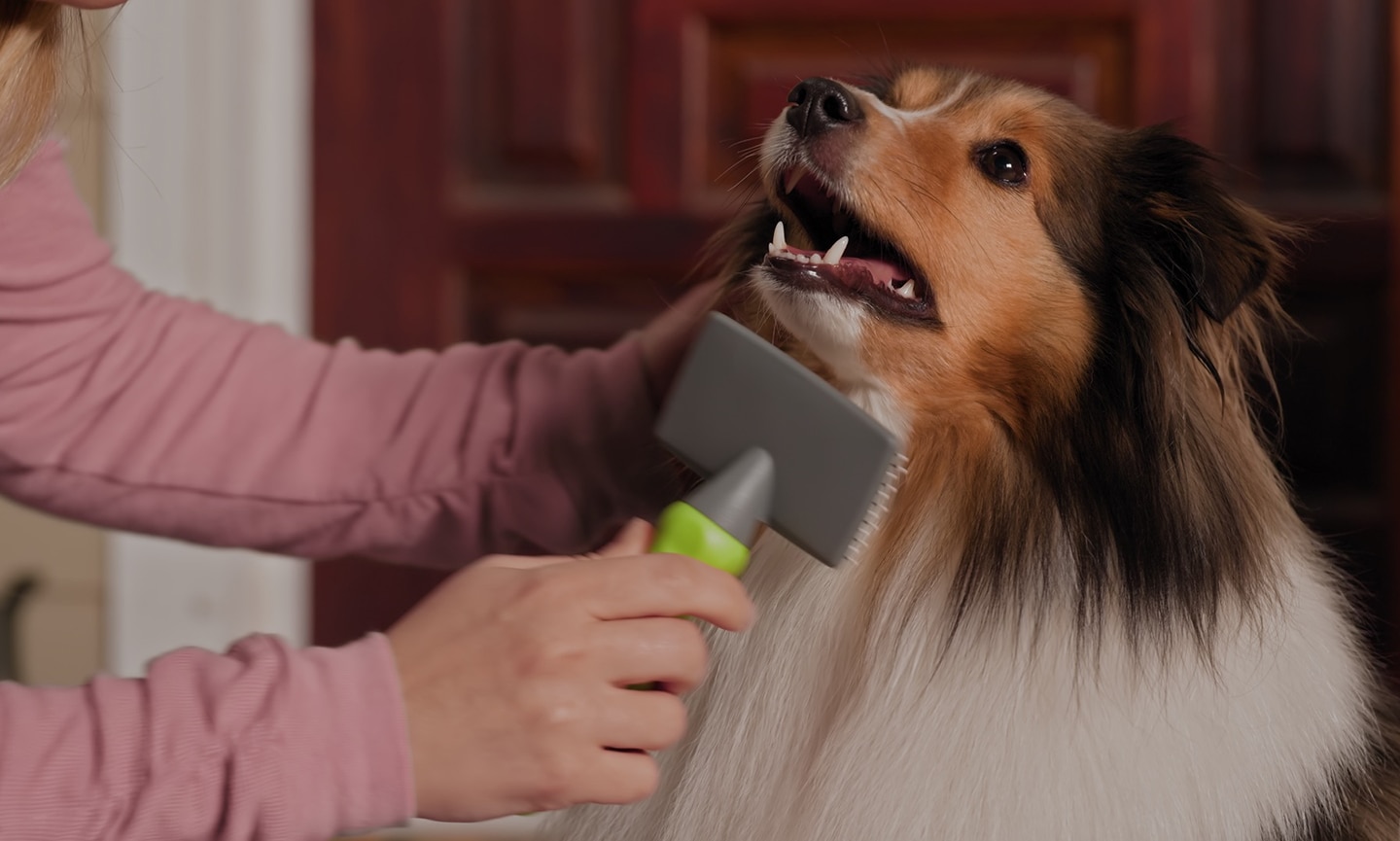
Photo by Chewy
Brushing your dog’s fur is key to a healthy coat.
“Routine brushing is about much more than appearance,” says Kelsey Ann Sexton, an award-winning, nationally certified master groomer and owner of The Dog Studio in Pleasant View, Tennessee.
Benefits of brushing your dog include:
- Removing loose hair, dirt, and debris
- Keeping the skin healthy by distributing natural oils and preventing buildup
- Catching small tangles that can slowly turn into larger mats
- Getting a chance to notice skin changes, irritation, or sensitivity
Every dog, regardless of coat type, benefits from a frequent brushing routine. Some coats simply take more time and effort than others, Sexton says.
“Effective brushing needs to reach the skin all over each part of the body, and a comb should always be used to check that the coat is truly brushed through,” she says. “Think of how we brush our teeth: You would never just brush the front of your teeth. You brush your entire mouth of teeth and follow up with floss.”
The best brush for your dog depends on their fur:
- Short-haired breeds: A rubber curry brush works well to gently remove loose hair and stimulate the skin on short-haired dogs, Sexton says.
- Medium-haired breeds: Dogs with medium-length coats generally need a slicker brush. Sexton notes that the length of the brush tines matters since they need to be long enough to get into the coat and separate the hair properly. “The longer the hair, the longer or curvier the tines in the slicker brush should be,” she says.
- Long-haired breeds: For dogs with long or curly coats, brushing in small rows and sections works best, Sexton says. If a comb doesn’t glide smoothly through, continue brushing before moving on. She recommends using a light mist of detangling spray for dogs who have a bit of resistance in their hair.
When brushing your dog, Sexton recommends being careful to not brush them too hard, or repetitively in the same area for too long, to avoid brush irritation.
3. Bathe Your Dog
Some dogs love to splish and splash in the bath. Others? Not so much. Either way, it’s important that they get used to bathtime.
Some dog breeds and coat types need more frequent bathing than others. Talk to your veterinarian or groomer about the best bathing timeline for your pup.
To bathe your dog, secure them in an area like a bathroom with a bathtub or a kitchen sink (for small breeds). When they’re ready, wet them with lukewarm water and apply dog shampoo from rear to head, avoiding their face.
Rinse your pup thoroughly so they’re completely soap-free. Then dry them, using thick towels or a hairdryer on a cool setting.
4. Brush Your Dog’s Teeth
Brushing your dog’s teeth is critical for their dental health. According to the Merck Veterinary Manual, 80% of dogs have some level of periodontal disease by the time they’re 2 years old. Ideally, you should brush your pooch’s teeth every day for about two minutes.
Before brushing your dog’s teeth, get them used to muzzle and mouth handling. Allow them to examine and sniff the dog toothpaste and toothbrush.
Next, put a pearl-size drop of dog toothpaste on the brush. Begin brushing areas of their mouth in circular motions for a few seconds at a time, and slowly make your way to the back of their mouth to brush all teeth from front to back.
5. Clean Your Dog’s Ears (if Needed)
Do your dog’s ears have an odor or visible wax buildup? Are they shaking their head? Pawing at their ears, perhaps?
If so, your pup’s precious satellite ears may require a cleaning. But it’s important to consult with your vet before you do so. Those same symptoms can also indicate infection or inflammation in the ears, which cleaning can aggravate.
Once you have your vet’s OK to clean your dog’s ears, start by putting a cotton ball or piece of gauze slightly in the opening of their ear; do not press it far inside the ear canal. Next, soak the cotton ball with a dog ear cleaning solution, allowing it to trickle through the cotton and into your dog’s ear.
Massage the ear canal to help the cleaner reach and clean throughout the area. Once you’re done, your dog should wiggle and shake their head to get the leftover fluid out of their ears. Lastly, wipe any excess debris out with a cotton ball or dog ear wipe.
Long, floppy ears often require more frequent cleanings since they’re more susceptible to infections compared to straight, perky ears. Discuss the best cleaning schedule for your unique pup with your vet.
6. Trim Your Dog’s Nails
Monthly “pawdicures” are a must to keep your dog’s nails at a healthy length. Overgrown nails can cause discomfort, pain, difficulty walking, and infections.
To trim a dog’s nails, pick up and hold your pooch’s paw. Press their paw pad to extend the nail away from their paw. Next, cut the nail at a 45-degree angle.
Repeat the process with the rest of their nails—and don’t forget to trim their dewclaws!
7. Clip and Trim Your Dog’s Fur (if Needed)

Photo by Chewy
Excessive or overgrown dog fur can cause issues like matting, restricted vision or mobility, and overheating. Experts generally recommend taking your dog to a professional groomer for clipping and trimming to avoid accidental injury to your pet.
“For clippers and scissors, safety is the priority,” Sexton says. “Beginners—or even pros!—should never cut blindly. If you can’t clearly see where the blade is traveling between hair and skin, it’s safest to stop and reassess.”
Before you get started, she shares these considerations to keep in mind:
- Use clippers only on a clean, dry coat that’s already been fully brushed and combed.
- Trim sensitive areas—like the face, ears, and belly—only if your dog is comfortable and you feel confident. These areas require extra caution due to thin skin and movement.
If circumstances require you to clip your dog’s fur yourself, follow Sexton’s step-by-step on how to clip a dog’s fur:
- Start with a clean, brushed-out coat and use long, smooth passes rather than short, choppy motions to get smooth, even results.
- Think of the first pass of clippers as if it were the first coat of paint on a wall.
- Set the length first, do a quick cleanup, reset, then brush and comb before another pass through with the clippers.
- Stretch the skin taut in areas that have thinner or more flexible skin.
- Always follow the direction the hair is lying.
Dog Grooming Tips
There’s much more to dog grooming than meets the eye. As pet parents, we want to take a careful approach and avoid making common grooming mistakes.
“The most successful home care happens when pet parents know their limits, listen to the dog in front of them, and use professional grooming as support rather than a replacement,” Sexton says.
She and Paula Fay, national certified master groomer, international certified master groomer, and owner of Paula Fay The Canine Stylist in Rancho Rio, New Mexico, share these dog grooming tips to keep in mind:
- Start grooming your dog at an early age if possible. The earlier you start grooming your dog, the better. This helps them get accustomed to the process, whether it be at home or at a professional salon.
- Watch for subtle resistance when grooming. If your dog pulls a paw or body part away, this is a cue to not force them through whatever you’re working on.
- Do not cut mats with scissors. This is extremely dangerous on any part of the body if the skin can’t be clearly seen.
- Maintain a regular grooming routine. “At-home grooming works best as part of a gentle, consistent routine focused on maintenance, not just full haircuts or when they’re past due for care,” Sexton says.
When To Hire a Dog Groomer
We want our canine companions to look and feel their best. However, certain situations call for a professional. After all, they have expert knowledge in how to groom a dog and cater to their specific needs.
According to our experts, you should consider taking your dog to a professional groomer if:
- They have matted fur
- Their coat requires lots of maintenance and care (like a Poodle’s)
- They show significant reactive behavior during grooming
- They’re a senior or have health conditions such as mobility issues, arthritis, or a skin condition
- You want a certain hairstyle or breed-specific haircut for your dog
“While at-home grooming works well for many families, knowing when to seek professional help ensures grooming remains safe and positive for everyone involved,” Bowen says.
Spotting Health Issues During Grooming
In addition to keeping your dog fresh and clean, grooming also gives you a chance to look and feel for anything unusual.
“Generally, pet parents only see the top of their dog,” Fay says. She recommends checking areas like underneath your dog’s chest, the insides of their legs, and under their tail every four to six weeks.
As you groom your dog, check for the following:
- Skin redness
- Excessive matting
- Suspicious lumps
- Behavioral changes
- New or changing moles
- Parasites (e.g., fleas, ticks, mites)
- Ear infections
- Dental issues
- Weight changes
- Signs of injury
If you notice something out of the ordinary, consult your veterinarian.
Attributions