
Arabian Horse
Updated July 13, 2026
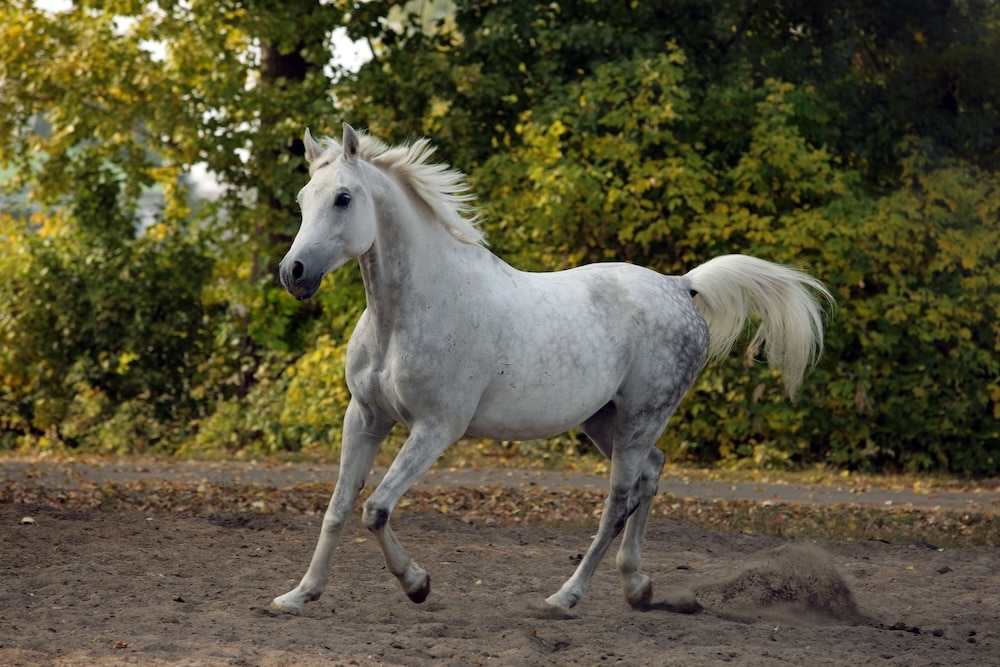
Arabian Horse
Updated July 13, 2026
Few breeds are as iconic as the Arabian horse, with their expressive features and beautiful movement. Arabians are wonderful companions, as well as riding and showing partners. This breed forms strong bonds with people and often thrives on regular interaction and training.
Intelligent, Sensitive, People-Oriented
800–1,000 pounds
14.1–15.1 hands (57–61 inches), with an occasional individual over or under
25–30 years
Bay, gray, chestnut, black, and roan
Arabian horses are known for their endurance, intelligence, and distinctive dished face. Arabians are versatile horses who excel in many riding disciplines, especially endurance competitions.
Regular grooming, exercise, and socialization help Arabian horses stay healthy and happy. Arabian horses are one of the oldest and most influential horse breeds in the world.
Arabian Horse Appearance
Arabian horses are easy to recognize thanks to their refined build, high tail carriage, and elegant head shape. They are considered a light horse breed with a compact but athletic body. Their stamina and agility helped them thrive in harsh desert environments for centuries.
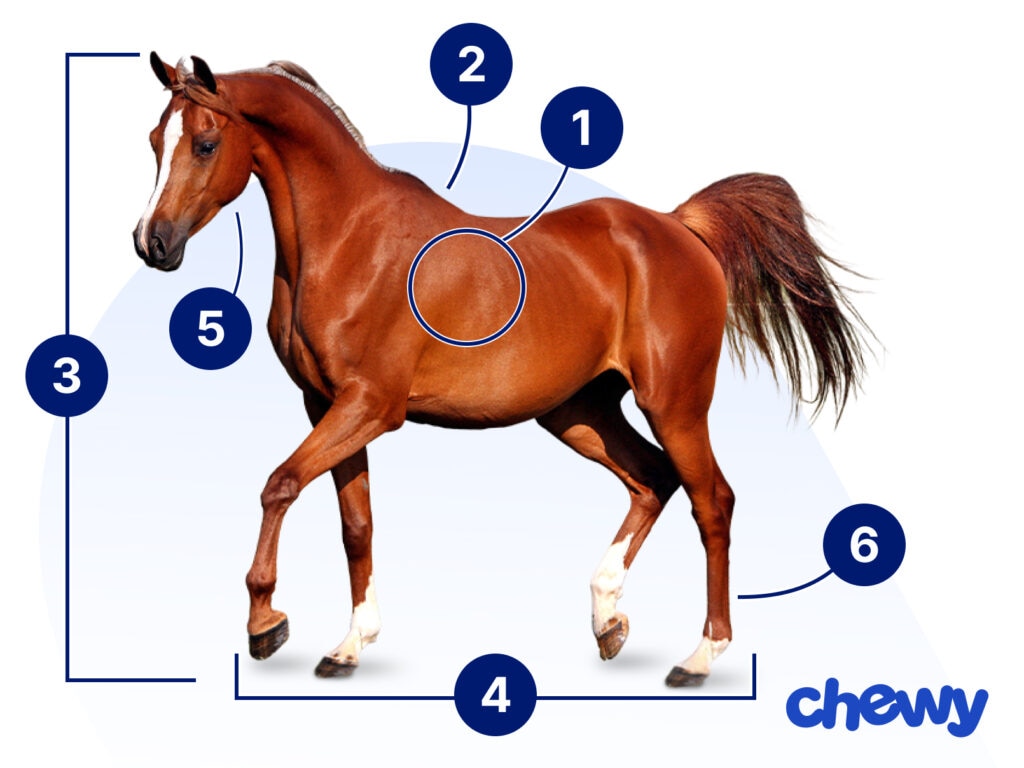
- Colors and Patterns
Arabians come in several solid coat colors, including bay, gray, chestnut, black, and roan. Gray is especially common in the breed.
- Height
Most Arabian horses stand between 14.1 and 15.1 hands tall, though some may be slightly taller or shorter.
- Conformation
Arabians have a refined, compact body with strong muscles and a deep chest. They are considered a light horse breed built for endurance and agility.
- Movement
Arabians have smooth, energetic movement with natural balance and grace. They are not a gaited breed and typically perform the standard four-beat walk, two-beat trot, and three-beat canter.
- Head and Neck
One of the breed’s most recognizable features is the dished face (concave profile) with large eyes and small ears. Arabians also have an arched neck that gives them an elegant appearance.
- Legs and Hooves
Arabians generally have strong legs and durable hooves that developed from traveling long distances over rough terrain. Their legs are refined but sturdy.
Arabian Horse Temperament
Arabian horses are intelligent, sensitive, and people-oriented. Many horse owners appreciate how quickly these horses learn and respond to cues. Arabians often form close bonds with their handlers and enjoy regular attention and interaction.
Because they are alert and energetic, Arabians may do best with horse owners who can provide consistent training and mental stimulation. However, well-trained Arabians can also make excellent family horses.
This breed excels in endurance riding because of their stamina and willingness to work. Arabians are also successful in dressage, Western disciplines, trail riding, and driving competitions. In the United States, the Arabian Horse Association helps maintain breed standards and registration.
How to Care for a Arabian Horse
Arabian horses are generally hardy and adaptable, but they still need daily care, regular exercise, and routine veterinary attention. Their intelligence and energy level mean they benefit from both physical activity and mental engagement.
Grooming
Training
Diet
Exercise
Environment
Arabian Horse Health
Arabian horses are generally hardy, but the breed can be prone to certain inherited health conditions.
- Severe combined immunodeficiency (SCID): A genetic condition that weakens the immune system, making foals unable to fight infections very well.
- Cerebellar abiotrophy: A neurological disorder that affects coordination and balance. Symptoms often appear in young horses.
- Lavender foal syndrome: A rare inherited condition that causes neurological problems in newborn foals. Affected foals typically cannot stand normally.
- Equine metabolic concerns: Some Arabians may gain weight easily, which can increase the risk of metabolic issues like Cushing’s disease if diet and exercise are not managed carefully.
- Colic: Like all other horses, Arabians can experience digestive upset or colic, especially with sudden dietary changes or dehydration.
Responsible breeders often perform genetic testing to help reduce the risk of inherited conditions in breeding programs.
Arabian Horse History
The Arabian horse is one of the oldest horse breeds in the world. The breed originated on the Arabian Peninsula thousands of years ago, where Bedouin people carefully bred horses for endurance, loyalty, and survival in desert conditions.
Arabians were valued as war horses and transportation animals because of their stamina, intelligence, and ability to travel long distances with limited food and water.
Over time, Arabian bloodlines influenced many other horse breeds around the world, including Thoroughbreds and Morgans. Today, Arabian horses are recognized internationally and compete in registered horse shows and endurance events across many disciplines.