How To Bathe a Horse Properly


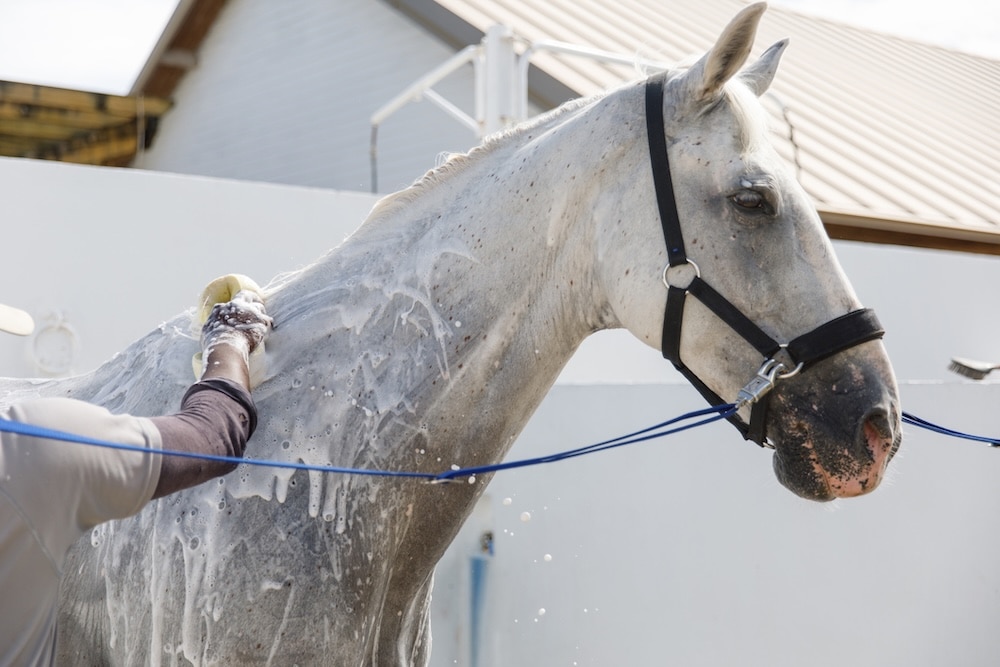
Photo by Aleksandr Rybalko/iStock/Getty Images Plus
Horses love to get dirty. Sometimes a good curry comb and stiff brush will do the job of knocking off dust, but occasionally you need a deeper clean to remove dirt and stains. That’s when you’ll need to know how to bathe a horse.
Recommended Products
This guide will walk you through horse care basics and effective steps for bathing a horse properly, with tips to keep you both safe and comfortable.
Ready to get started? Grab your tools and let’s get to washing.
Key Takeaways
- Horses don’t need to be washed frequently, but if they’re extra dirty or sweaty, it’s an effective way to get them clean.
- Gather your bucket, shampoo, conditioner, sponge, and comb before bathing.
- Choose a safe, non-slip area to bathe your horse, and securely tie them up.
- Rinse thoroughly to remove all soap residue.
- Dry your horse completely before turning them loose.
When Should You Bathe a Horse?
Horses do not need to be bathed every day. It depends on their activity level, your area’s climate, and your horse’s coat condition.
- A horse being exercised regularly or going to horse shows will need to be bathed more often than a horse relaxing in a pasture.
- If you live in a cold climate, your horse may need fewer baths than they would in a hot and humid area.
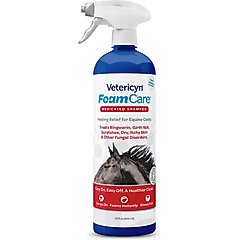
- If your horse has skin conditions, they may benefit from a medicated shampoo applied frequently.
Recommended Product
Also, do not put tack on a dirty horse. If you can’t get their saddle and cinch/girth area clean with currying and brushing, you might need to bathe them.
Common Reasons to Bathe a Horse
Your horse may need a bath for one or more of the following reasons:
- After heavy sweating
- Before competitions or shows
- When their coat is excessively dirty or stained
- To remove allergens or irritants
- To prep their coat for body clipping
How Often Is Too Often?
Overbathing your horse can actually strip natural oils from their coat, leaving it dry and less healthy. Instead, bathe your horse only occasionally if they’re really dirty. This could be once or twice a year or once a month, depending on your situation.
If you’re not sure how often to bathe a horse, keep in mind that a thorough rinsing with plain water can often remove sweat and dust without drying out their skin and hair.
What You’ll Need to Bathe a Horse
Before bathing your horse, gather up supplies to have everything you need on hand.
Basic Bathing Supplies
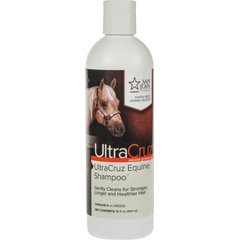
- Horse-specific shampoo
Recommended Product
- Hose with adjustable spray nozzle
- A bucket
Recommended Product

Recommended Products

Recommended Product
- Towels
Optional Supplies
Recommended Products
Recommended Product
Recommended Product
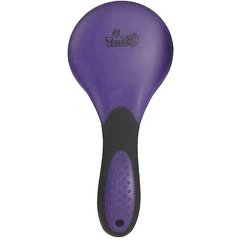
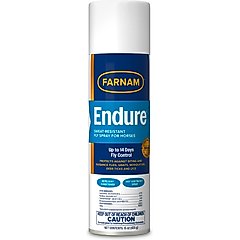
- Fly spray (post-bath)
Recommended Product
How To Bathe a Horse Properly: Step-by-Step
Bathing a horse can feel like a bit of a mix between washing a car and bathing a dog. With some horse bathing tips, you’ll be ready to safely and efficiently transform your equine.
Step 1: Choose the Right Location
You’ll want to use a designated wash area or a spot with a safe, non-slip surface. Bathing a horse uses a lot of water and can create slippery mud, so make sure the area has proper drainage and minimal distractions to reduce the odds of spooking and injury.
Step 2: Secure Your Horse Safely
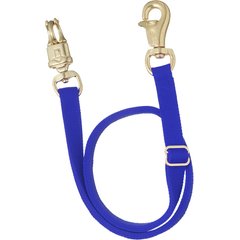
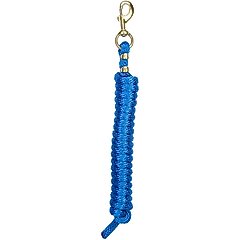
Bathing is a two-handed operation, so make sure to tie your horse securely, either to a tie post or cross ties, or have someone hold your horse’s lead rope.
Recommended Products
Your goal is to keep your horse calm and comfortable during the process.
Step 3: Wet the Horse Gradually
Always introduce your horse to the hose gently. Make sure the water is lukewarm rather than hot or cold. Also, start by spraying the legs and move upward.
Avoid spraying directly on the face. Instead, use a misting function on your sprayer or lower the water pressure to dribble water on the face.
Step 4: Apply Shampoo
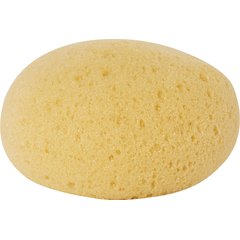
Check the directions on your horse shampoo and dilute it in a bucket of water if recommended. Dunk your sponge or mitt into the suds and scrub in circles on your horse’s body, focusing on the dirty areas.
To wash your horse’s mane and tail, apply shampoo directly from the bottle or the bucket, and scrub down to the roots of the hair. You can swish the tail in the bucket for extra suds.
Step 5: Clean Sensitive Areas Carefully
Use a sponge or a damp cloth for the face, avoiding the eyes, ears, and nostrils. Avoid putting undiluted shampoo directly on the face, as it’ll be tough to rinse out completely.
Step 6: Rinse Thoroughly
Rinsing is the most important step in the process—be sure to remove all soap residue to prevent skin irritation.
Start at the top and work your way down. Pay particular attention to the underbelly and between each leg. Take a look at the ground while bathing—you’ll want to rinse until the water runs clear, with no soap bubbles.
For manes and tails, rinse from the roots to the ends. You can also dunk the tail in a bucket of clean water. Continue to rinse until there are no more bubbles and the hair feels squeaky clean.
Step 7: Remove Excess Water
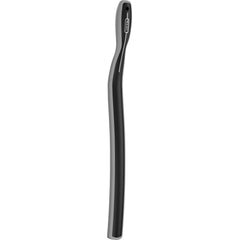
Starting behind the horse’s head, use a sweat scraper in the direction of hair growth, and flick away with each stroke to remove water from the coat. Sweep under the belly for droplets.
Don’t scrape the horse’s legs. Instead, use your hands to squeeze out water from the upper legs down to the hoof.
Scraping off excess water shortens the time it takes your horse to dry and leaves them more comfortable.
Step 8: Dry the Horse
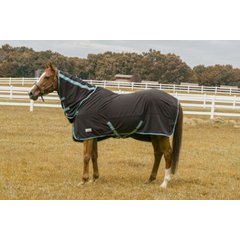
In warm weather, you can tie your horse up in a shaded area to completely dry before turning them loose. In cooler temperatures, rub your horse down with towels and consider using a cooler to keep them comfortable while they dry.
Recommended Product
If your horse isn’t fully dry when you turn them out, there’s a good chance they’ll roll in dirt or shavings, undoing all your hard work!
Horse Bathing Safety Tips
Bathing a horse is a fun activity, but with water spraying around and slippery surfaces, it can become dangerous. Keep yourself and your horse safe with these tips:
Keep Water Temperature Comfortable
Avoid very hot or very cold water. Your horse may jump or spook at the unpleasant temperature, and it can burn them or leave them uncomfortably chilled. Stick to a lukewarm temperature.
Watch for Slippery Surfaces
Ensure secure footing to avoid slips or falls for both you and your horse. Look for concrete, rubber mats, or even gravel; avoid grass or dirt that can turn into mud.
Stay Aware of Horse Behavior
Pay attention to your horse’s body language the entire time you’re bathing them. Some horses may be nervous around water, so move calmly and speak reassuringly. Keep one hand on your horse when moving closely around them, watch their foot movement to avoid being stepped on, and avoid standing directly behind them.
Special Considerations for Bathing Horses
Some situations need additional care, so keep these tips in mind:
Bathing in Cold Weather
Limit full baths during the winter. Instead, try spot-cleaning. If you see a manure spot or a muddy tail, focus on sponging off and washing that area, not the whole body.
In cold weather, always use warm water, and make sure to dry your horse thoroughly to prevent them from getting chilled.
Bathing After Exercise
If your horse has worked hard, allow them to catch their breath and cool down before bathing them. However, if the horse is showing signs of overheating, such as profuse sweating, hot skin, rapid breathing or heart rate, or signs of dehydration, you can repeatedly rinse the horse with cool water to bring their temperature down.
Sensitive Skin Horses
For a horse with allergies or sensitivity, use gentle or medicated shampoos if needed. Consult your veterinarian if your horse has a skin condition.
Bathing your horse is a great way to bond with them, but it’s important to use the right methods, products, and safety techniques to make sure both you and your horse are secure and comfortable.
A consistent grooming routine alongside occasional bathing is the best way to keep your horse clean and enhance their overall health.
FAQs About Horse Bathing
How often should you bathe a horse?
If your horse is really sweaty, dirty, or headed to a show, you can bathe them. Otherwise, it’s not always necessary to bathe them frequently.
Can you use shampoo meant for humans on a horse?
A horse’s pH is different from human skin, so it’s best to use a shampoo formulated for horses to avoid stripping protective oils.
Is it OK to bathe a horse in cold weather?
Yes, if absolutely necessary, but it’s better to spot clean. If you must bathe, use lukewarm water, bathe quickly, and make sure to dry your horse completely. Ideally, cover them with a coolerwhen you’re finished.
Should you bathe a horse after every ride?
No, that’s not necessary, and bathing too often can dry out your horse’s coat. If your horse gets sweaty, rinse them thoroughly with plain water.
How do you dry a horse after a bath?
Use a sweat scraper to remove excess water, scraping with the hair from behind the head to the tops of the legs and under the belly. Squeeze out excess water with your hands from top of the legs to the hooves. With a towel, you can rub the horse’s hair until it’s dry, or put on a cooler.
Attributions