Scorpion Care Sheet


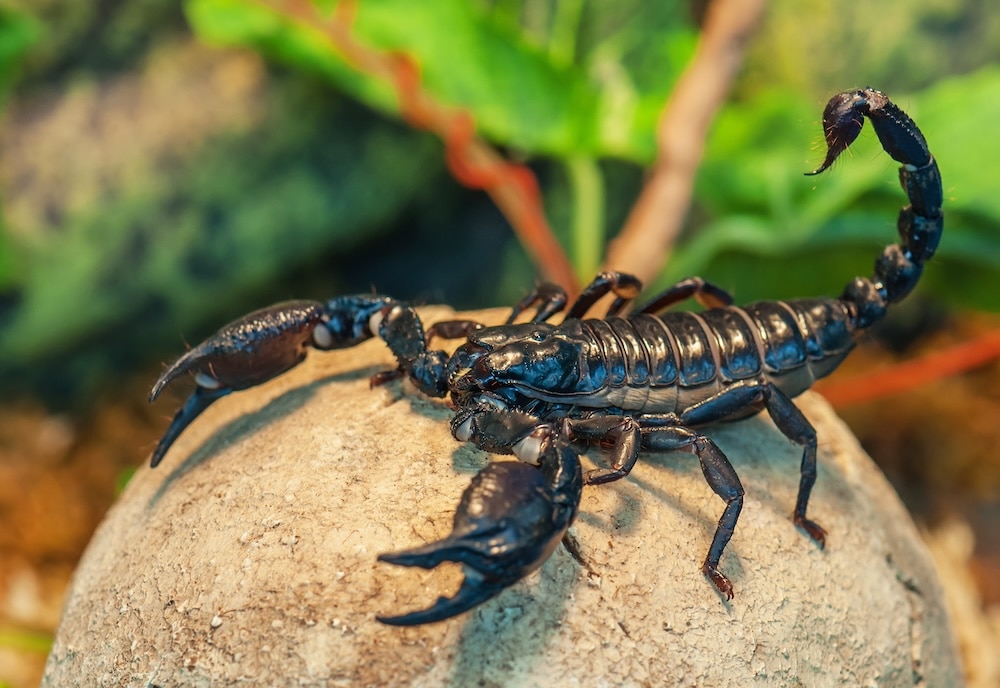
Photo by vovashevchuk/iStock/Getty Images Plus
Scorpions come in many sizes and shapes, from very small to very large. They’re carnivorous invertebrates with fascinating behaviors. Here’s what you’ll need to know if you’reconsidering one as a pet.
Scorpion Overview
- Depending on the species, scorpions can live 6 to 10 years as pets.
- Scorpions are carnivores who eat a variety of insects, worms, and other arachnids.
- They are delicate, but several species are great for beginner keepers.
Fun Facts About Scorpions
- Scorpions are arachnids, like spiders and ticks, but are most closely related to spiders.
- Most scorpions are about as venomous as a bee, but a few can kill you.
- They’re most active at night, and some even glow under UV lights.
Scorpion Habitat
Wild scorpions live all over the world in habitats ranging from desert to jungle, so their needs vary depending on the species.
Most scorpions are loners—they don’t do well when they must share space and they may even cannibalize each other. So most experienced keepers recommend only one scorpion per enclosure.
Most scorpions need a 10-gallon tank with a secure, locking screen lid because they can squeeze through very small openings.
Recommended Products
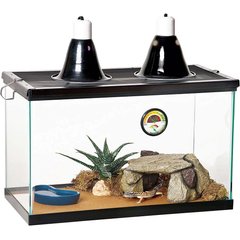
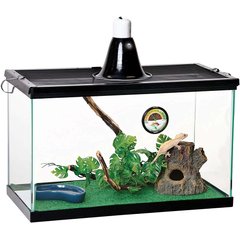
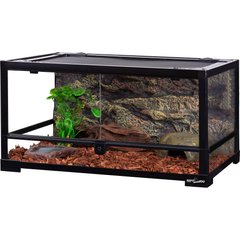
Tanks larger than 20 gallons may make it harder for your scorpion to catch their prey, but if you’re setting up a naturalistic or bioactive enclosure, a larger size gives you more options for planting, hides, and other decorations.
Recommended Product
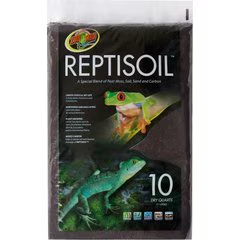
Scorpions need 3–6 inches of substrate appropriate to the species so they can dig and burrow.
Recommended Products
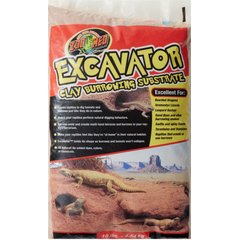
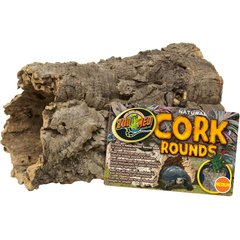
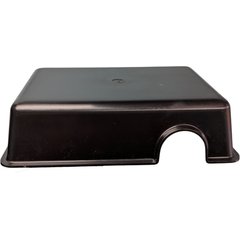
Some species create extensive underground complexes. Give your scorpion plenty of hiding places, in addition to any burrows they dig themselves.
Recommended Products
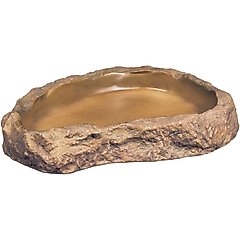
These arachnids get most of their water from their food and the humidity in their habitat, but keep a shallow water dish in their enclosure in case they need a little extra. Add smooth stones to the bottom of the water dish to keep your scorpion from submerging themselves and possibly drowning.
Recommended Product
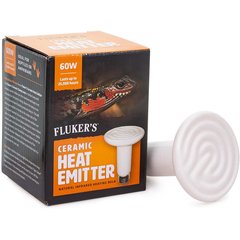
Scorpions need supplemental heat and a thermostat to keep the temperature in a stable range of 75–90 F.
Recommended Products
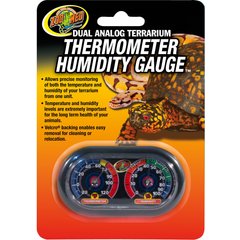
Their humidity needs vary according to species and native habitat, and keeping track of humidity with a hygrometer is critical to their health.
Most don’t need lighting because they’re fully nocturnal. However, a few species need small amounts of light, so do your research. Be sure to plan lighting based on the live plants you want to include in their enclosure.
Scorpions are relatively low-maintenance pets, but remember to spot-clean their tank weekly, picking out any feces and discarded food. A full tank cleaning, including replacement of substrate, can be performed every few months.
What Do Scorpions Eat?
Just like their spider cousins, scorpions are carnivores. In the wild, they’ll eat any small insects they can grab. Some, like the desert hairy scorpion, also feed on smaller scorpions.
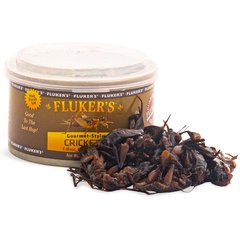
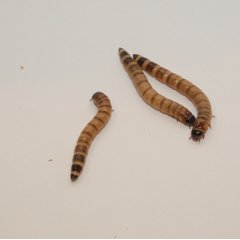
Feed a pet scorpion a variety of insects and worms, including:
- Crickets
Recommended Product
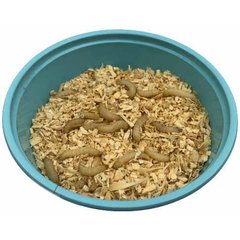
- Mealworms
Recommended Product
- Waxworms
Recommended Product
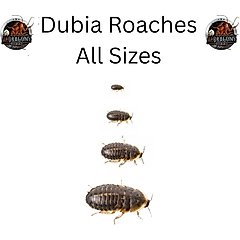
- Dubia roaches
Recommended Product
Scorpion Handling
While some scorpion species are docile enough for some handling, most do best when left alone. Handling should be kept to a minimum so you don’t cause stress to your pet.
When you need to handle your pet scorpion, whether for habitat maintenance or a vet check, take a few precautions to prevent a pinch from their strong claws or an unpleasant sting.
Before you try to pick up your pet scorpion, look for signs of stress or fear. For example, most scorpions pull their claws inward toward their body and back away.
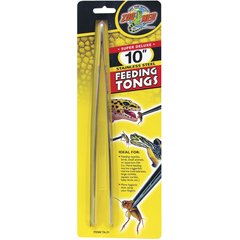
The best way to pick up a scorpion is to use a dry paintbrush or long feeding tongs to gently encourage them to climb onto your hand.
Recommended Product
If you have a more aggressive species, it may be best to encourage them to move into a small container for transport or temporary housing while you clean or adjust their habitat.
Scorpion Health
Keeping your pet scorpion healthy means making sure their particular needs are met. The good news is that most potential problems are preventable with good care.
The most common problems include:
- Dehydration: Most of their hydration comes from the insects they eat and the humidity in their enclosure, but a shallow dish of fresh water ensures they can get extra as needed. Dehydration can kill a scorpion.
- Molting complications: Many are caused by poor husbandry, nutritional deficiencies, stress, or dehydration.
- Parasites and mites: These pests can infest your scorpion, but keeping the habitat clean and replacing substrate regularly minimizes the risk.
- Infections and injuries: Bacterial or fungal infections develop from open wounds or poor hygiene. Avoid keeping multiple scorpions in the same enclosure, as they may fight or cannibalize one another.
- Nutritional deficiencies: You can prevent these by offering a variety of insects of appropriate size.
Supply Checklist for Pet Scorpions
- 10–20-gallon enclosure with a locking lid
- Substrate
- Water dish
- Decor (hides, decorations, plants)
- Heat lights and fixtures
- Thermometers
- Hygrometer
- Food
FAQs About Scorpions
Where do scorpions live in the wild?
Scorpions live on every continent except Antarctica, in environments ranging from desert to forest and jungle, but they’re more common in arid regions. These nocturnal arthropods are only active at night, so even if they’re common where you live, you may never see one.
How long do scorpions live?
It depends. Some only live a few months, but others can live over 10 years as pets when provided proper care.
How big do scorpions get?
Some of the biggest species, like the emperor scorpion, can grow up to 8 inches long. Others only grow to around 2–3 inches. Incidentally, some of the smaller species are more venomous than the bigger species.
Do scorpions make good pets?
It depends on what you want in a pet. Scorpions are generally easy to care for. As long as you don’t want a pet you can cuddle, they’re fascinating creatures to watch.
Is it legal to have a scorpion as a pet?
In most U.S. states, having a pet scorpion is legal. Some states have limitations on the types of scorpions you can keep, while others have no limitations. Understanding the laws where you live is key, so do your research before deciding to get a scorpion.
Click here for a printable PDF version of this care sheet!
Attributions