What Do Scorpions Eat?


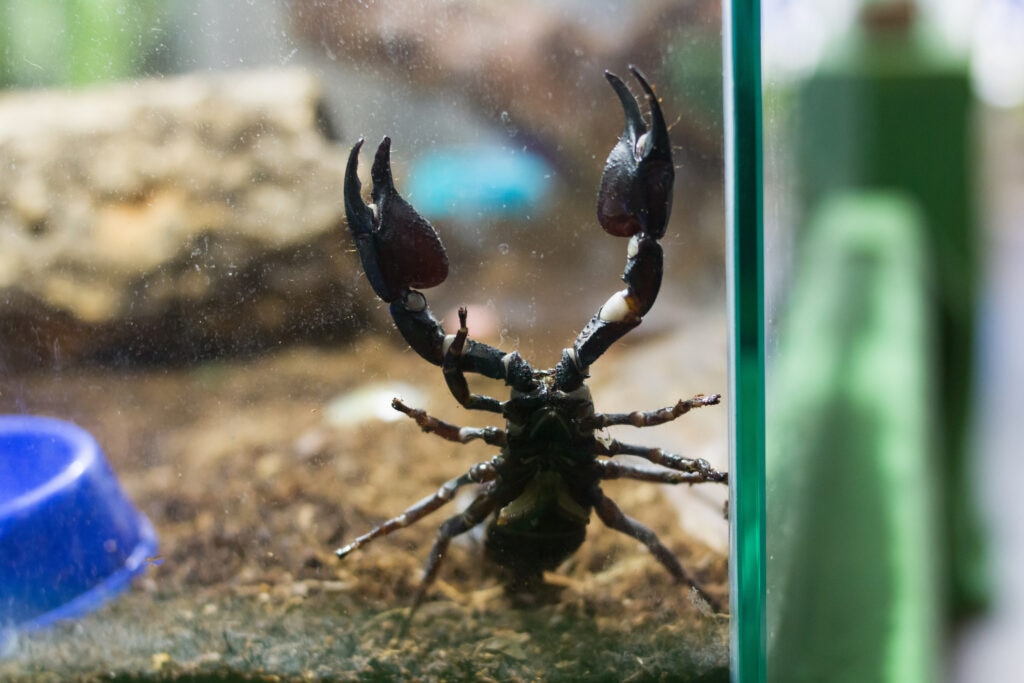
Photo by Vera Aksionava/iStock/Getty Images Plus
Feeding a scorpion is not as simple as tossing in a random bug. Knowing what scorpions eat in the wild versus as a pet helps you keep your scorpion active, and stress-free.
Key Takeaways
- Scorpions are carnivores that mostly eat insects and other small invertebrates in the wild and in captivity.
- Pet scorpions usually eat live, gut-loaded feeder insects like crickets, roaches, and worms offered a few times per week.
- Avoid wild-caught bugs and “people food,” which can expose your scorpion to toxins and parasites.
- Feed in the evening or at night, when scorpions are naturally most active.
- Call an exotic veterinarian if your scorpion stops eating, loses weight, or seems weak or injured.
What Do Scorpions Eat in the Wild?
In the wild, scorpions are nocturnal hunters. They wait in burrows or under rocks and grab any small animal that comes close enough. According to resources like Britannica and the Amateur Entomologists’ Society, most scorpions eat:
- Insects (crickets, beetles, grasshoppers)
- Other invertebrates (spiders, centipedes, even other scorpions)
- For larger species, occasional small vertebrates (tiny lizards, snakes, or rodents)
Scorpions are opportunistic predators. That means they eat whatever they can catch and overpower. Desert scorpions often feed on insects that are active at night around their burrows, not just “desert-only” bugs.
Wild Diet vs. Pet Scorpion Diet
Your pet scorpion’s diet is similar in type but more controlled:
- Same general prey: Mostly insects and other small invertebrates
- More consistent: You choose safe feeder insects instead of whatever happens to walk by
- Safer: No exposure to pesticides, parasites, or injuries from oversized prey
- More balanced: You can “gut-load” feeder insects with nutritious food before offering them
So when you ask, “What do scorpions eat?” the basic answer is small animals, mostly bugs, but pet parents must offer safe, appropriate feeder insects instead of wild prey.
What To Feed Your Scorpion
Specific needs can vary by species, so always double-check with an exotic veterinarian for your scorpion’s exact requirements. Keep in mind that most scorpions only accept live insects, but it’s not impossible to feed them insects that are not moving, especially if your scorpion is trained.
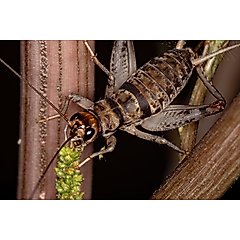
Crickets
Crickets are the most common staple food for many pet scorpions. For example, emperor scorpions should be fed gut-loaded crickets as their main diet.
Benefits:
- Easy to find in pet stores
- Active enough to encourage natural hunting behavior
- Come in different sizes for juveniles and adults
When feeding your scorpion crickets:
- Choose crickets no larger than the width of your scorpion’s pincers.
- “Gut-load” crickets for 24–48 hours with a quality insect diet or dark leafy greens, sweet potatoes, and carrots, so your scorpion gets better nutrition.
- Offer only a few at a time so they don’t stress your scorpion.
Recommended Product
Roaches (such as dubia roaches)
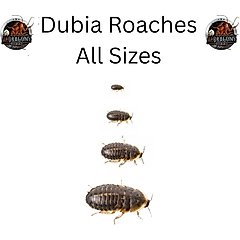
Dubia roaches and similar feeder roaches are another excellent staple for many pet scorpions. Exotic veterinary sources often recommend a mix of crickets and roaches for a more varied diet.
Benefits:
- Nutritious and less likely to bite your scorpion than some other feeders
- Come in many sizes
- Move slower than crickets, which can be less stressful for shy individuals
As with crickets, roaches should be gut-loaded before feeding.
Recommended Product
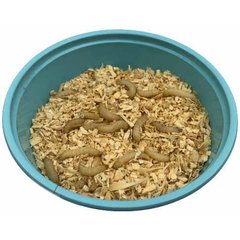
Mealworms and superworms
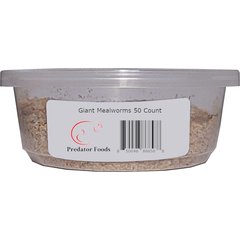
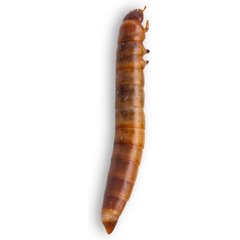
Mealworms and superworms are often used as part of a varied diet, but not usually are better used as a treat.
Benefits:
- Easy to store and keep on hand
- Good for occasional variety
Offer in moderation alongside crickets and roaches since these insects have higher fat content and their hard outer shells may be difficult to digest in large amounts.
Recommended Products
Waxworms and hornworms (occasional treats)
Waxworms and hornworms can be fed as occasional treats. They’re usually higher in fat and should not be the main food source.
Recommended Product
Other feeder insects
Depending on your scorpion’s species and size, an exotic vet or experienced invertebrate specialist may also recommend:
- Locusts
- Other commercially raised feeder invertebrates
Again, the key is: live, appropriate size, and from a safe, captive-bred source.
Most pet scorpions do very well on a varied diet of feeder insects only. Your exotic veterinarian can tell you if your specific species ever needs anything different.
Feeding Live Prey or Pre-Killed Prey
Some scorpions won’t accept pre-killed prey and prefer to hunt moving insects. Others may take tong-offered, freshly killed insects if they smell right.
- Live prey encourages natural hunting behavior.
- Pre-killed prey may be safer for very weak, molting, or injured scorpions if your vet advises it.
- Never use wild-caught bugs. Wild insects may carry pesticides, parasites, or diseases.
Never leave a large number of live insects in the enclosure. They can bite or stress your scorpion, especially during molting.
Feeding Your Scorpion
Feeding schedules can vary by species, age, and temperature.
- Juveniles:
- Offer food every 2–3 days
- 1–3 small insects per feeding
- Adults:
- Offer food about 1–2 times per week
- 2–4 appropriately sized insects per feeding
When feeding your scorpion:
- Feed in the evening or at night when scorpions are naturally active.
- Remove uneaten prey after 12–24 hours so insects don’t harass your scorpion.
- A slightly rounded but not swollen body is usually a sign of good body condition.
- Always provide dechlorinated water in a shallow, sturdy dish. Make sure the dish is shallow enough so your scorpion doesn’t accidentally drown.
- Always avoid giving your scorpion people food, such as meat scraps, fruits, vegetables, or processed foods. Scorpions are carnivores that are adapted to digesting liquefied prey, not human diets.
Your exotic veterinarian can tailor a schedule to your scorpion’s species, age, and health.
Do Scorpions Eat During a Molt?
Scorpions often stop eating before a molt and are very vulnerable while shedding their exoskeleton.
- Never offer lots of live insects during this time
- Remove any remaining prey if you see signs of pre-molt or fresh molt (pale, soft body, very slow movement)
If you’re unsure whether your scorpion is molting or ill, contact your exotic veterinarian.
When to Contact Your Vet
Because scorpions are quiet and hide a lot, it can be hard to tell when something is wrong. Contact an exotic veterinarian with invertebrate experience if you notice:
- No interest in food for several weeks outside of a known pre-molt period
- Noticeable weight loss or a very thin, “shrunken” look
- Trouble walking, dragging legs, or falling over
- Injuries from prey (missing limbs, obvious wounds)
- Swelling, odd dark or pale patches, or visible parasites
- Sudden change in behavior (for example, a normally calm scorpion constantly agitated)
A vet can review your scorpion’s diet, habitat, and health history, then recommend changes or treatment. Diet issues can sometimes show up as weakness, poor molts, or other health problems, so it’s always better to ask early.
Always talk with a veterinarian, veterinary nutritionist, or experienced exotic animal specialist if you have questions about your individual scorpion’s diet or feeding schedule.
FAQs About What Scorpions Eat
What are scorpions’ favorite foods?
Most scorpions seem to “prefer” easy-to-catch, protein-rich prey like crickets, roaches, and other insects. In the wild they’ll also eat spiders and sometimes other scorpions if food is scarce.
Do scorpions eat cockroaches?
Yes. Many wild and captive scorpions will eat cockroaches, and some care guides list roaches as a good feeder insect option when they’re captive bred and properly gut-loaded.
What do scorpions eat during the day?
Scorpions are mostly nocturnal, so they usually hunt and eat at night. During the day they tend to hide and rest in burrows, under rocks, or in other shelters. If prey happens to come close enough, they may still grab it, but most feeding happens in darker hours.
Should I feed my scorpion vertebrates?
No. Even though large wild scorpions sometimes eat tiny lizards or rodents; this is not usually recommended for pet scorpions due to increased risk of injury, overfeeding, and hygiene issues.
Attributions
This article was created with assistance from AI tools. The content has been reviewed for accuracy and edited by a human.