Hermit Crab Care Sheet


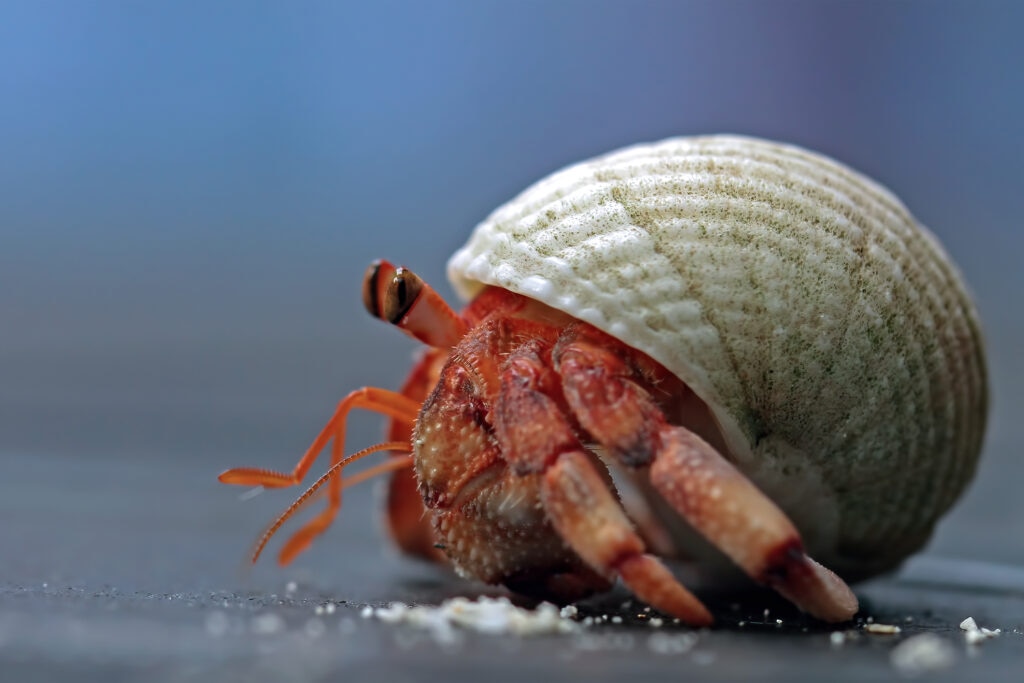
Photo by agus fitriyanto/iStock/Getty Images Plus
Hermit crabs are tiny, social crustaceans that, despite their name, love being with other hermit crabs. Whether you’re thinking about getting a hermit crab as a pet or you’ve recently gotten one, make sure you have everything they need to thrive.
Hermit Crab Overview
- Keep at least two hermit crabs in one habitat, as they thrive in pairs and small groups.
- Hermit crabs don’t need a lot of handling and shouldn’t be held unless it’s required.
- Even though hermit crabs are small, they need plenty of space to crawl and explore.
Fun Facts About Hermit Crabs
- Hermit crabs regularly molt, shedding their exoskeleton and building a new one.
- Hermit crabs grow and move into new shells with each molt—they don’t grow their own shells.
- In the wild, hermit crabs can live up to 50 years, but as pets, hermit crabs live 10–20 years.
Hermit Crab Habitat
You’ll need at least a 20-gallon glass tank for two hermit crabs, though you should go larger if you have the space.
Recommended Products
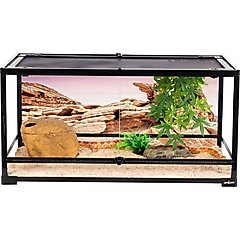
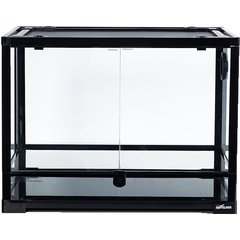
Hermit crabs need a lot of humidity, so glass enclosures are better than plastic or wire cages.
Line the bottom of your hermit crab’s cage with sand and shredded coconut husks. You can also use premixed bags so you don’t have to mix your own.
Recommended Products
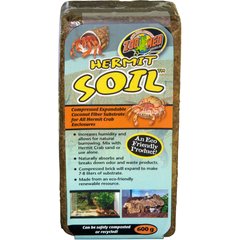

The sand mixture should be at least 6 inches deep, or three times the height of the largest hermit crab in the tank—whichever is greater. Hermit crabs bury themselves and need to molt safely, so it’s crucial to have enough sand.
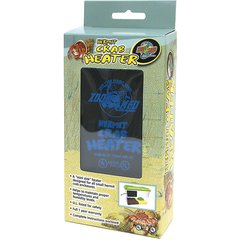
Hermit crabs must live in warm, humid enclosures. Keep temperatures between 75–85 F and humidity levels at 70–90%. You can install a heater to ensure temperatures and humidity remain within the ideal range.
Recommended Product
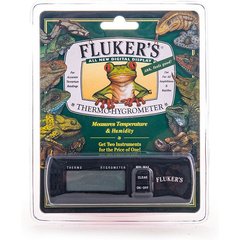
Monitor both temperature and humidity levels with a thermo-hygrometer, or use a digital thermometer for temperature and a separate hygrometer for humidity.
Recommended Product
Hermit crabs rely on natural day-and-night cycles to stay regulated. It helps with behavior and molting. To mimic their wild habitat, use a low-wattage daylight bulb or a full-spectrum LED that’s best for reptiles or small animals.
Recommended Product
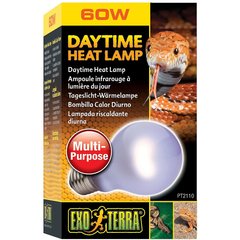
Keep the light on for 12 hours during the day and switch it off for 12 hours at night.
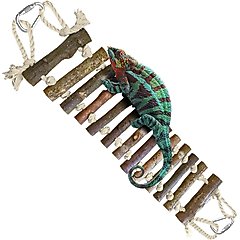
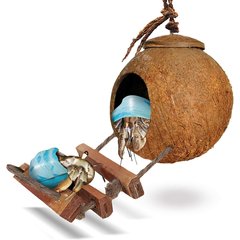
These crabs need to walk and explore a lot, so provide enrichment toys, climbing ladders, and other ways for your pet to exhibit natural behaviors. Hermit crabs also like to hide, so hideaways are a great addition.
Recommended Products
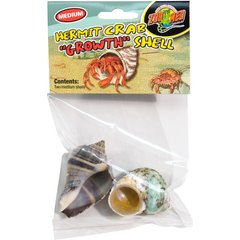
Provide various–sized shells for your hermit crab to swap into as they grow.
Recommended Product
Cleaning and Maintenance
Spot-clean your hermit crab’s tank every day by removing any uneaten fresh food. Thoroughly wash food and water dishes and provide fresh, clean water at all times.
Deep-clean your tank every one to two months. To clean your tank properly, follow these steps:
- Move your hermit crab to a temporary tank that’s adjusted to the necessary temperature and humidity levels.
- Remove substrate and scrub the tank, decor, and toys with hot water; do not use soap.
- Boil the empty shells and any other heat-resistant items in the enclosure except rocks.
- Allow the tank and decor to thoroughly dry before adding new substrate, toys, and your hermit crab.
Pet Hermit Crab Food
Hermit crabs eat just about anything and do well on a varied, balanced diet. You can also offer your hermit crab fish and shrimp.
Recommended Products

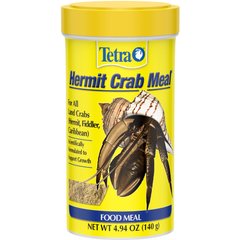
Add fruits, such as melons, berries, and apples. You can also include vegetables, such as sweet potatoes, broccoli, and carrots. Offer grains, too, like oats and rice.
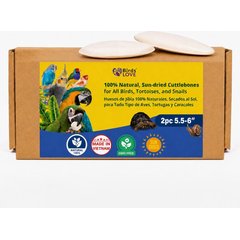
Your hermit crab needs calcium as well. They will eat their exoskeleton after molting, boosting their calcium intake. But you can include crushed cuttlebone, powdered eggshell, or oyster shells for additional calcium.
Recommended Product
Feed your hermit crab a mix of foods that they can snack on throughout the day. Remove uneaten food at the end of the day to avoid bacteria and mold.
Hermit crabs need two separate water dishes: one for freshwater and one for marine saltwater (one for drinking and one for taking a dip). Both dishes should be large enough so that your crab can walk into them, and the water should go up to their eyes but it shouldn’t be so deep that they risk drowning.
Don’t use tap water, as it usually includes chlorine, which is toxic to hermit crabs. Use distilled or bottled water instead.
Hermit Crab Health
If you’re regularly keeping tabs on your pet, you’ll notice their appearance and behavior and will be able to pick up on changes that might indicate health concerns. If you suspect something is wrong with your hermit crab, contact an exotic animal veterinarian.
Healthy hermit crabs have an intact shell and a good appetite, and are active and curious.
If you notice your hermit crab is staying out of their shell, they have stuck molts, they’re missing limbs or claws, or there’s a very strong odor in the tank, contact your vet right away. These could be signs of serious health problems.
Pet Hermit Crab Supply Checklist
Before bringing your pet hermit crab home, make sure you have everything you need to give them a comfortable, welcoming habitat, including:
- Appropriately sized habitat
- Commercial hermit crab food
- Treats
- Substrate
- Mineral blocks or cuttlebone
- Food and water dishes
- Salt or commercially prepared saltwater
- Water conditioner for hermit crabs
- Climbing decor, plants, and hideaways
- Low-wattage bulb
- Under-tank heater
- Additional shells as your hermit crab grows
FAQs About Hermit Crabs
How long do hermit crabs live?
Pet hermit crabs can live up to 20 years or so with proper care.
Are hermit crabs good pets?
Hermit crabs are great pets who like being in groups or pairs.
How big do hermit crabs get?
Hermit crabs can get as big as 6 inches long, depending on the species.
What do hermit crabs eat?
Hermit crabs are omnivores and eat a variety of different foods, like fish and shrimp. They also eat fruits, vegetables, grains, and nuts.
Are hermit crabs for beginners?
Like all pets, hermit crabs require work and attention. These crabs are a great beginner pet as long as you have the right supplies to help them thrive.
Attributions