Sort
Filter
$6.49 Chewy Price
($1.09/lb) Price per Unit
$9.32 List Price
$6.17 Autoship Price

$5.97 Chewy Price
($0.60/ea) Price per Unit
$9.99 List Price
$5.67 Autoship Price
$10.00 Chewy Price
$10.99 List Price
$9.50 Autoship Price

$4.99 Chewy Price
($2.50/lb) Price per Unit
$6.99 List Price
$4.74 Autoship Price
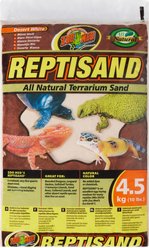
$12.99 Chewy Price
($1.30/lb) Price per Unit
$14.99 List Price
$12.34 Autoship Price
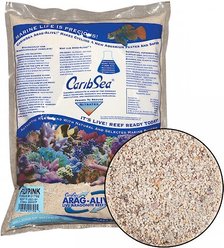
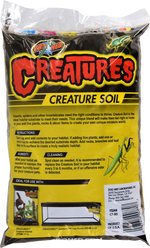
$3.98 Chewy Price
$4.99 List Price
$3.78 Autoship Price

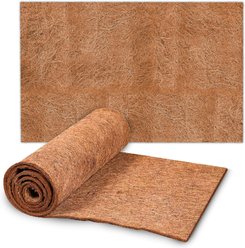
$5.91 Chewy Price
($5.91/ea) Price per Unit
$9.99 List Price
$5.61 Autoship Price

$6.90 Chewy Price
($13.80/oz) Price per Unit
$6.56 Autoship Price

$3.99 Chewy Price
$3.79 Autoship Price
$25.99 Chewy Price
($1.30/lb) Price per Unit
$29.99 List Price
$24.69 Autoship Price
$11.99 Chewy Price
($2.73/lb) Price per Unit
$12.99 List Price
$11.39 Autoship Price
$6.79 Chewy Price
($4.75/lb) Price per Unit
$6.45 Autoship Price
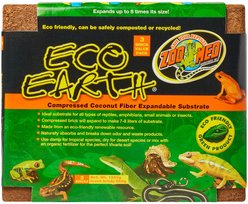
$9.98 Chewy Price
($3.33/ea) Price per Unit
$10.99 List Price
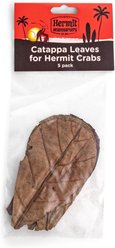
$5.46 Chewy Price
($1.10/ea) Price per Unit
$5.19 Autoship Price
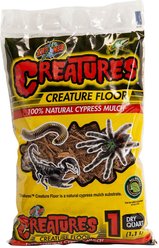
$3.37 Chewy Price
$3.99 List Price
$3.20 Autoship Price
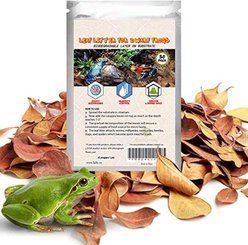
$5.97 Chewy Price
($0.12/ea) Price per Unit
$9.99 List Price
$5.67 Autoship Price
$11.99 Chewy Price
($1.20/lb) Price per Unit
$12.06 List Price
$11.39 Autoship Price

$6.37 Chewy Price
$8.57 List Price
$6.05 Autoship Price
$8.99 Chewy Price
($8.99/ea) Price per Unit
$9.99 List Price
$8.54 Autoship Price
$13.29 Chewy Price
($1.33/lb) Price per Unit
$13.99 List Price
$12.63 Autoship Price
$25.98 Chewy Price
$28.99 List Price
$7.99 Chewy Price
($0.80/ea) Price per Unit
$7.59 Autoship Price
$29.95 Chewy Price
$28.45 Autoship Price
$29.98 Chewy Price
$33.99 List Price
$16.99 Chewy Price
$17.99 List Price
$16.14 Autoship Price

$11.69 Chewy Price
$12.16 List Price
$11.11 Autoship Price
Hermit Crab Substrate & Bedding
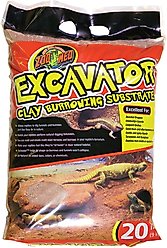
Give your hermit crab a home he can really dig with hermit crab substrate made for your pet's unique needs. Experts recommend a loose substrate that holds in moisture and encourages healthy digging behaviors. Since hermit crabs burrow and bury themselves in their substrate during molting, choosing the right hermit crab bedding is essential. Here are some good substrate choices for your hermit crab habitat:
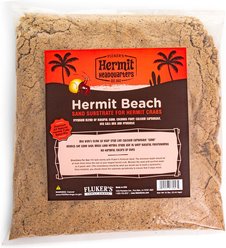
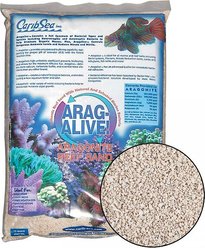
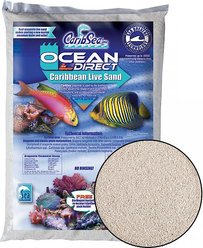
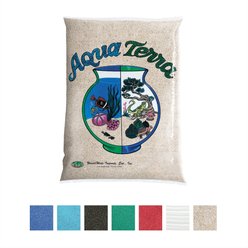
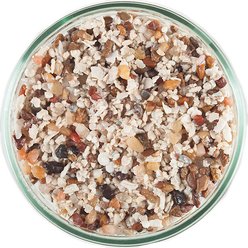
- Hermit crab sand: Also known as beach sand, this comes in a variety of natural hues and colors
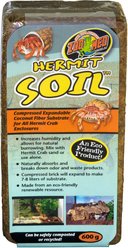
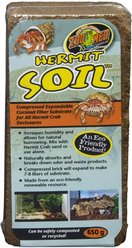
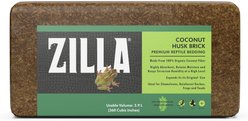
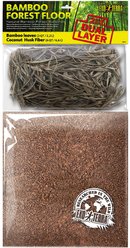
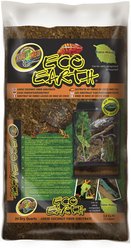
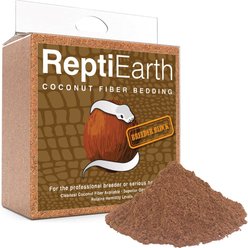
- Hermit crab soil: Often made of coconut fiber for absorbency and easy digging
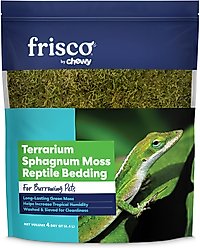
- Bioactive substrate: Fosters beneficial organisms and healthy humidity while also nourishing plants
Many keepers like to use sand, coconut soil, or a mixture of both to emulate the environment crabs would inhabit in the wild. Choose a premade substrate or mix your own using hermit crab-safe sand, soil, or other clean, pre-packaged terrarium substrate materials. Whichever ones you prefer, you can find them at Chewy — set all your terrarium supplies to Autoship so you have what you need, right when you need it.
Frequently Asked Questions about Hermit Crab Substrate & Bedding
What is the ideal substrate for hermit crabs?
The ideal substrate for hermit crabs is a moist sand and soil mix. Many crab keepers recommend a five-to-one mix of sand and coconut coir fiber. You can also use just hermit crab sand or coconut fiber on its own, or choose a bioactive substrate made to foster good hygiene naturally.
What should I put in the bottom of my hermit crab tank?
You should put several inches of hermit crab sand, soil, or substrate at the bottom of your hermit crab tank — ideal depth will vary, but it should be at least three times as deep as the height of your crabs. Moisten the substrate to a roughly "sandcastle" consistency, taking care not to soak it too much.
Is sand a good substrate for hermit crabs?
Sand is a good substrate for hermit crabs. Just be sure to choose a hermit crab-safe, packaged sand, since sand gathered from outdoors may harbor parasites, insects, or pathogens. Landscaping sand is also not recommended, as it may be too heavy or dusty for your hermit crabs' needs.
What is better for hermit crabs, sand or gravel?
Sand is better for hermit crabs due to its light, diggable consistency. Gravel is too heavy for digging and it may be rough, as well.
How often do you change hermit crab bedding?
You don't usually have to change hermit crab bedding too often. Many people leave their substrate in place for months or even years. Unless there's an issue like a bacterial bloom, insect infestation, or flooding, you shouldn't need to change out your substrate, but talk to your vet if you have questions or concerns.
Save 5% on repeat deliveries
Reptile & Amphibian Type
Brand
7 Brands are shown below