How To Choose the Best Tortoise Food


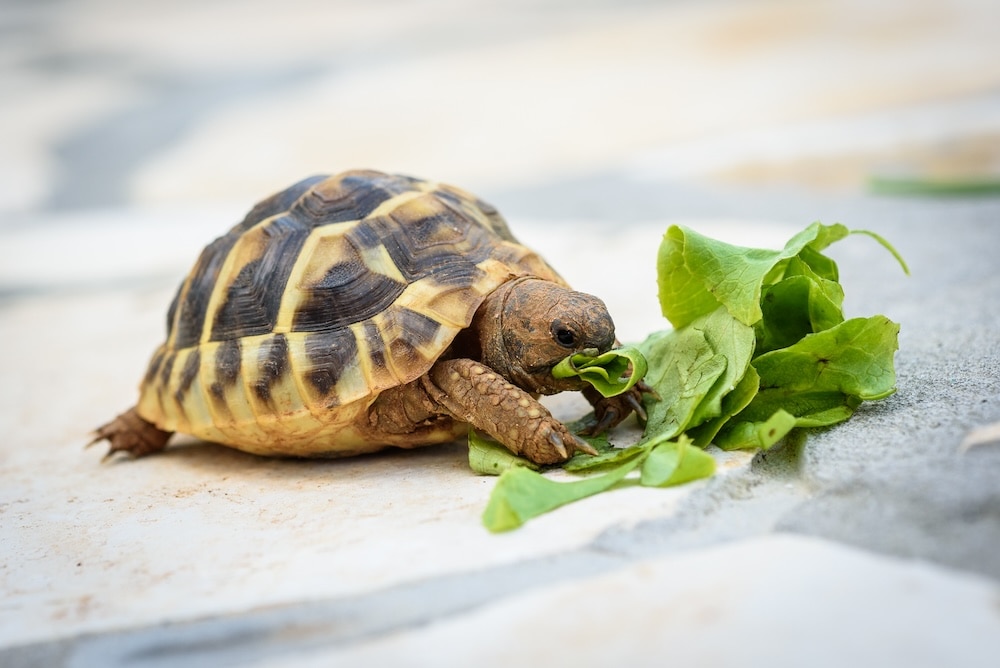
Photo by _jure/iStock/Getty Images Plus
Feeding your tortoise the right diet is one of the most important parts of responsible reptile care. Proper nutrition supports healthy shell growth, strong bones, and long-term digestive health. Because tortoises can live for decades, choosing the best tortoise food isn’t just about today, it’s about supporting a lifetime of wellness.
While turtles and tortoises are often confused, their diets are very different. Most pet tortoises are primarily herbivores that require a high-fiber, low-protein diet that mimics natural grazing. Here’show to choose the right foods for your shelled companion.
Key Takeaways
- Most tortoises thrive on a high-fiber, plant-based diet made up primarily of leafy greens and grasses.
- Commercial tortoise pellets can be helpful supplements but they should not replace fresh foods.
- Calcium and proper UVB lighting are essential for healthy shell and bone development.
- Avoid high-protein, sugary, or processed foods, which can cause serious health problems over time.
What Do Tortoises Eat?
In the wild, tortoises graze on grasses, weeds, leafy plants, and flowers. Their digestive systems are designed to process fibrous vegetation slowly and efficiently. Unlike many aquatic turtles, tortoises do not need animal protein as a staple of their diet.
The ideal tortoise diet is:
- High in fiber
- Low in protein
- Low in fat
- Rich in calcium
Keep in mind that dietary needs can vary slightly depending on species. For example, some tortoises may need higher protein, including:
- Red-footed tortoises
- Burmese mountain tortoises
- Sulawesi tortoises
Always research your specific tortoise species to tailor their diet appropriately.
The Foundation: Fresh, High-Fiber Greens
Fresh greens should make up the majority of your tortoise’s daily meals.
Best Leafy Greens for Tortoises
Nutritious, fiber-rich options include:
- Dandelion greens
- Collard greens
- Mustard greens
- Turnip greens
- Endive
- Escarole
These greens provide essential nutrients and promote healthy digestion.
Why Fiber Matters
Fiber supports gut health and helps regulate growth. Diets that are too high in protein or too low in fiber can contribute to shell deformities, including pyramiding (raised, uneven shell growth).
Vegetables to Feed in Moderation
Some vegetables are safe but should not dominate the diet:
- Romaine lettuce (better than iceberg but still low in nutrients)
- Carrots
- Squash
- Bell peppers
Variety is important, but leafy greens should always be the base.
Commercial Tortoise Pellets: Are They Necessary?
High-quality commercial tortoise food can be a helpful addition, especially during colder months when fresh greens may be limited. However, pellets should supplement—not replace—fresh vegetation.
Recommended Products
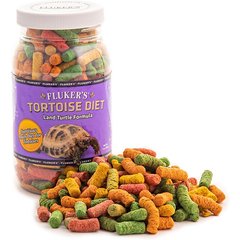
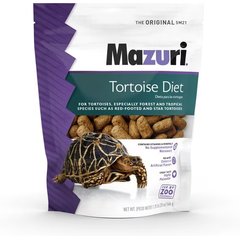
When choosing pellets, look for:
- High fiber content
- Low protein levels
- No artificial colors or unnecessary fillers
- Clearly labeled ingredients
Pellets can also be useful for ensuring consistent nutrient intake, but tortoises benefit most from a varied, natural diet.
Species-Specific Diet Considerations
Understanding your tortoise’s native environment can help guide food choices.
Desert Tortoises
Desert species (Sulcata, Russian, Greek) require a diet that closely resembles dry grasses and weeds. They should have minimal fruit and very limited sugary vegetables. Too much protein or sugar can cause rapid growth and shell problems.
Tropical Tortoises
Tropical species (red-footed, yellow-footed) require a plant-based diet but may tolerate small amounts of fruit and protein more regularly than desert species. Even so, fruit should be offered sparingly.
Calcium and Supplements
Calcium plays a critical role in shell and bone health. Without adequate calcium, tortoises are at risk for metabolic bone disease, which can cause soft shells and deformities.
Luckily, there are many vitamins and supplements available to help your tortoise thrive. You can provide calcium by:
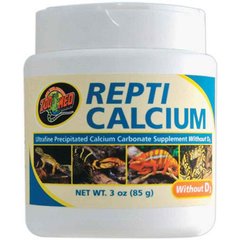
- Lightly dusting food with calcium powder
Recommended Product
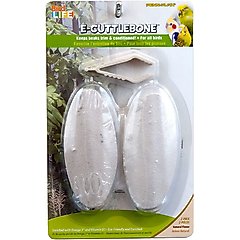
- Offering a cuttlebone in the enclosure
Recommended Product
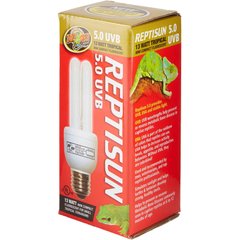
Proper UVB lighting is also essential. Tortoises need UVB exposure to metabolize calcium effectively. Even the best diet won’t support healthy bones without appropriate lighting.
Recommended Product
Consult a reptile veterinarian before adding vitamin/mineral supplements beyond basic calcium.
Foods Tortoises Should Not Be Given
Some foods can harm your tortoise and should be avoided entirely.
Do not feed:
- Dog or cat food (too high in protein)
- Dairy products
- Processed human foods
- Large amounts of fruit (for most species)
- Iceberg lettuce (very low nutritional value)
Additionally, always confirm that plants from your yard or garden are pesticide-free and non-toxic before offering them.
How Much and How Often Should You Feed a Tortoise?
Juvenile tortoises typically eat daily to support growth. Adults generally eat less but should still receive consistent daily access to food to maintain health.
A general guideline is to offer a portion roughly the size of your tortoise’s shell per day. Monitor your tortoise’s weight and shell development to ensure proper growth—not too fast and not too slow.
Consistency and observation are key to maintaining a balanced tortoise feeding routine.
Signs of a Poor Diet
Improper nutrition can lead to noticeable health issues over time.
Warning signs include:
- Soft shell
- Pyramiding
- Lethargy
- Irregular growth
- Reluctance or inability to move
- Swollen or consistently closed eyes
- Digestive problems
If you notice changes in your tortoise’s shell or behavior, consult a reptile veterinarian promptly.
Building a Balanced Tortoise Diet
Create the optimal tortoise diet by providing fiber-rich greens, species-appropriate variety, and proper calcium supplementation. While commercial tortoise pellets can be helpful, fresh vegetation should always form the foundation of the diet.
With thoughtful planning and consistent care, you can support healthy shell growth, proper digestion, and a long, happy life for your tortoise.
Attributions
This article was created with assistance from AI tools. The content has been reviewed for accuracy and edited by a human.