Aquatic Turtle Care Sheet


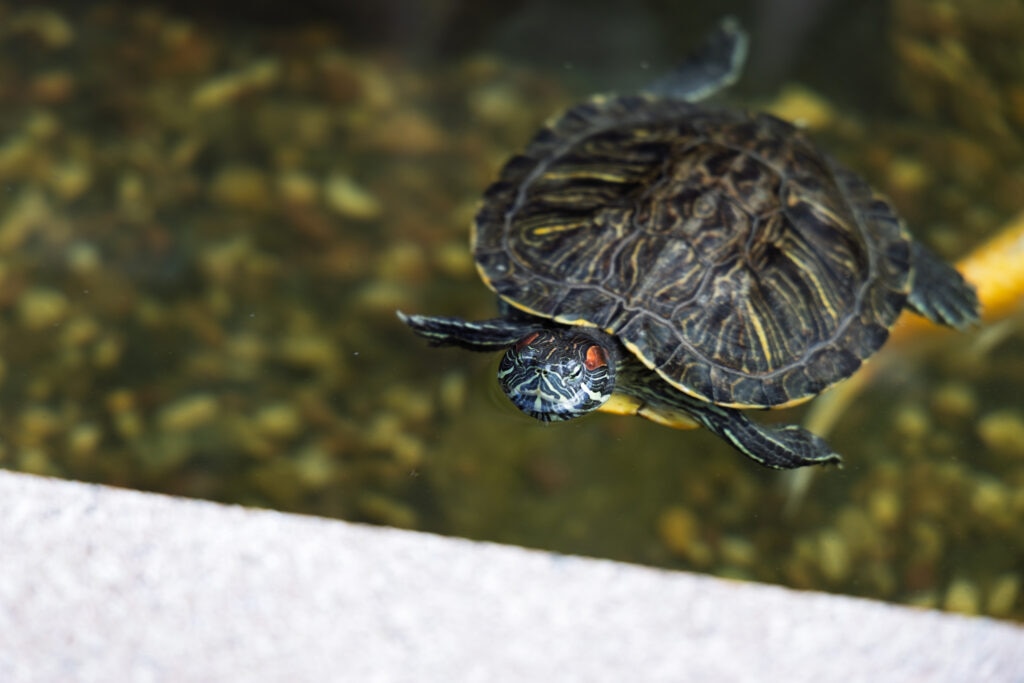
Photo by Aleksey Demin/iStock/Getty Images Plus
Aquatic turtles can be great pets and can live for decades. When you’re ready to bring your aquatic turtle home, giving them the best habitat is vital to helping them live a long, thriving life.
Aquatic Turtle Overview
- Aquatic turtles can live anywhere from 20–60 years or more with proper care.
- Depending on the species, a turtle can grow to be 12–14 inches long or larger.
- Tanks should be big enough for turtles to have plenty of space to swim.
Fun Facts About Aquatic Turtles
- Turtles can see colors and have excellent hearing.
- Despite a reputation of being slow, turtles are quite agile and fast in water.
Aquatic Turtle Tanks
Find a tank that will accommodate your turtle throughout all its life stages, not just their juvenile size.
Adult-sized turtle tanks vary based on the specific species you’re keeping, since some types of turtles grow larger than others. For instance, cooter turtles grow to be more than a foot long, while musk turtles usually max out at 3–5 inches.
Recommended Products
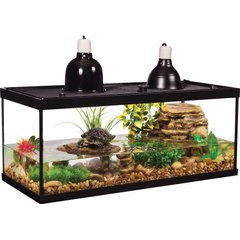
Turtle tanks should be long and wide enough to allow your adult turtle to swim comfortably back and forth, and turn around without difficulty. The tank should also provide enough depth for the turtles to submerge entirely and be able to forage and explore.
When in doubt, go bigger. Glass aquariums are popular for semi-aquatic turtles, but you may try a large plastic bin or even a pond for your pet.
When setting up your turtle tank, substrate isn’t required, but you can add it if you’d like. If you do, make sure it’s safe for your turtle.
- Don’t line the bottom with anything unsafe for your turtle to consume.
- Stick to turtle-safe soil or large river rocks for the bottom of the tank.
- Avoid gravel, which can be ingested by your pet.
Lighting and Heating
Like all pet reptiles, turtles need heating and lighting in their enclosures.
Install a UVA/UVB bulb that mimics natural sunlight. Try ultraviolet-producing fluorescent lights or mercury vapor bulbs that can stay on for up to 12 hours a day. Also, look for a basking light that’s 50–75 watts.
Recommended Products
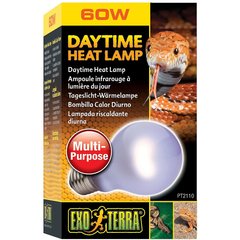
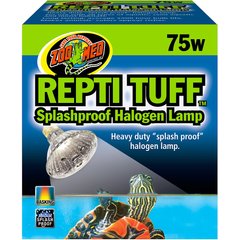
Some lights can double as heating elements, as turtles need a lot of heat to maintain a strong immune system. Different species have different heating requirements, but aquatic turtles generally need a basking area that’s 85–95 F and an air temperature that’s 75–85 F.
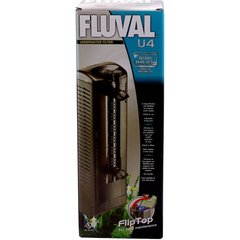
You can also install a submersible aquarium heater like this one from Fluval to help the water reach optimal temperatures for your pet.
Recommended Product
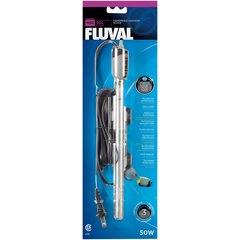
A water temperature range of 72–82 F is usually acceptable for most aquatic turtle species. Make sure you adjust your temperatures according to your turtle species’ needs.
Water and Security
The total volume of water needed will vary depending on the size of your turtle. As discussed before, you need to provide enough water volume for your turtles to swim comfortably in your tank.
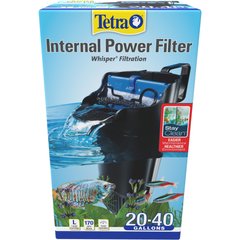
Although turtles can tolerate a wide variety of water conditions, it is always beneficial to install a filtration system in your tank to keep your turtle’s water clean and healthy.
Recommended Products
Turtles need a dry area to bask and regulate their body temperatures, as well as to completely dry out. This helps them control any detrimental algae or fungus growing on their shells or skin. Add a basking area and ramp so your turtle can climb out of the water and onto dry land, like this one from Zilla.
Recommended Product

Add a tank cover, even if you don’t think your pet will escape. It’s helpful to protect your turtle from other animals in the home, too.
Aquatic Turtle Food
Feeding your turtle properly is important in keeping your turtle healthy and making sure it gets all the nutrients it needs to thrive under your care.
Generally speaking, most young turtles will require a diet higher in protein than adults need, usually up to 50% protein and 50% vegetable matter.
Depending on species, adult turtles will usually require a higher vegetable diet and lowerprotein diet.
Protein options include worms, crickets, shrimp, and snails. You can try live fish, but not every turtle will actively try to catch them.
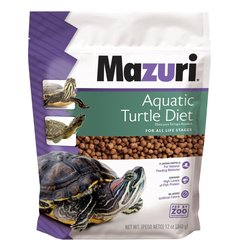
Each week you can rotate in turtle pellets like these from Mazuri, alongside their regular food. Pelleted foods aid in providing a well-balanced diet and eliminate the need for powdered supplements.
Recommended Product
A good mix of vegetables should include:
- Mustard greens
- Carrot tops
- Romaine lettuce
- Collard greens
- Dandelion greens
Chop veggies into small pieces and sprinkle them into the water.
Juvenile turtles should be fed daily, while adult turtles can be fed every two to three days.
Avoid avocados, garlic, onions, and toxic insects like fireflies.
Feed your aquatic turtle as much as they will eat in five to 10 minutes, scooping out the uneaten food afterward.
Turtle Handling
Turtles are quick to recognize you, but not all species enjoy being handled. Most species will see you as a potential predator and can stress easily by being disturbed and picked up. It’s usually best to limit handling as much as possible.
If you have to pick up your turtle, use both hands and do it slowly. Secure their shell between your hands and always keep them upright; they do not appreciate being upside down at any time.
Aquatic Turtle Health
Aquatic turtles need to see a vet every year for their annual checkup.
A healthy turtle should always be alert, have a clear nose and clear eyes, and have a clean hard shell. Your turtle should be active and be able to swim and walk with ease.
Pay attention to warning signs that your pet turtle may be sick, like swollen eyes, soft shell, diarrhea, or loss of appetite. If your pet is floating unevenly in the water or lethargic, talk to your vet immediately.
Aquatic Turtle Supply Checklist
Before bringing your aquatic turtle home, set up their new habitat with everything they need, including:
- Appropriately sized tank or enclosure
- UVB and basking lights
- Basking dock and tank decor
- Aquarium water heater
- Thermometer
- Canister water filter
- Siphon
- Tank substrate, if desired
- Water conditioner and test kit
- Screened lid
- Turtle food
FAQs About Aquatic Turtles
What is the best turtle for a pet?
Some turtle species make better beginner pets than others. Red-eared sliders, painted turtles, and yellow-bellied sliders are ideal for beginners, while musk, mud and map turtles are better suited for more advanced keepers.
Do turtles need to be in water?
Aquatic turtles require access to water at all times. Depending on the species, some spend more time in water than others, so dry areas are always important.
How long do aquatic turtles live?
Aquatic and semi-aquatic turtles usually live 20–30 years, but some can live 60 years or longer with proper care.
Is a turtle a high-maintenance pet?
With proper filtration and regular water changes, a turtle can be quite easy to keep thriving and happy.
Can turtles recognize their owners?
Turtles are quite intelligent and quickly learn to recognize their owners and their voices. When they see you or hear you coming, they will usually come to greet you and expect to be fed.
Click here for a printable PDF version of this care sheet!
Attributions