Turtle vs Tortoise: What’s the Difference?


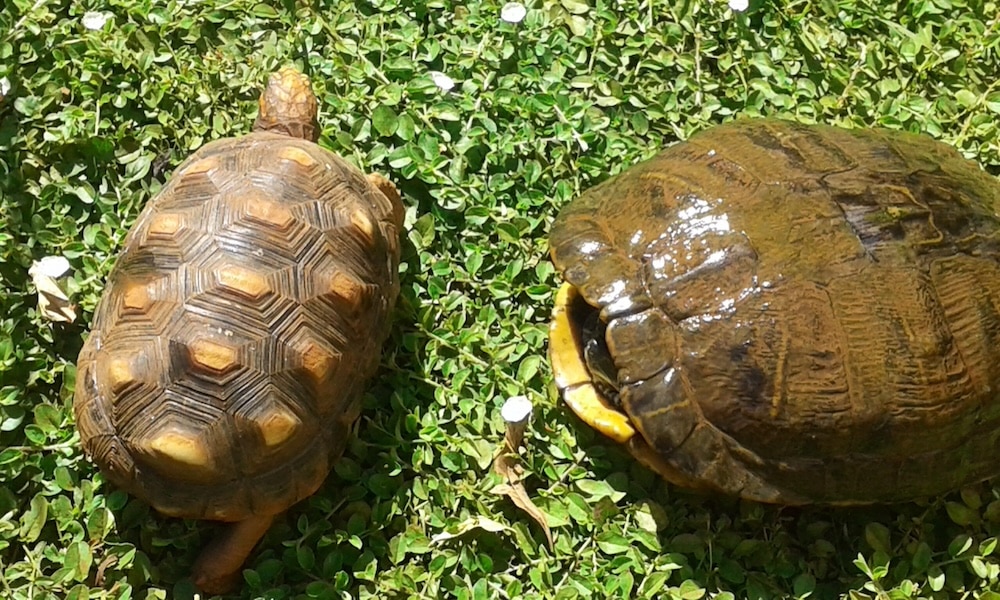
Photo by _jure/iStock/Getty Images Plus
Turtles and tortoises are often confused, and it’s easy to see why. Both have shells, are reptiles, and belong to the same scientific order, Testudines. But while they share similarities, turtles and tortoises have important differences in habitat, anatomy, diet, and care needs.
Understanding these distinctions is especially important if you’re considering a turtle or tortoise as a pet. Here’s how to tell these animals apart, and what those differences mean for their care.
Key Takeaways
- All tortoises are turtles, but not all turtles are tortoises. Tortoises are a specific land-dwelling subgroup within the turtle family.
- The biggest difference between turtles and tortoises is habitat: turtles are primarily aquatic while tortoises live entirely on land.
- They also differ in physical traits, including shell shape and feet (webbed feet or flippers for turtles as opposed to sturdy, elephant-like legs for tortoises).
- Both can live for decades, so they require a long-term commitment and proper habitat setup.
Are Tortoises Turtles?
Scientifically speaking, yes, all tortoises are turtles. Both belong to the reptile order Testudines, which includes all shelled reptiles.
However, in everyday language, “turtle” usually refers to species that live in or around water, while “tortoise” refers to those that live exclusively on land. Think of tortoises as a specific subgroup within the larger turtle category.
This is where much of the confusion comes from: the terms overlap scientifically but are used differently in casual conversation.
Habitat: Water vs Land
One of the clearest differences between a turtle and a tortoise is where they live.
Turtles
Most turtles are aquatic or semi-aquatic. Freshwater turtles live in ponds, lakes, and rivers, while sea turtles inhabit oceans. Even semi-aquatic turtles spend much of their time swimming and require water to eat and stay healthy.
Although turtles come on land to bask or lay eggs, water is central to their survival.
Tortoises
Tortoises, like cherry-head red footed tortoises and Russian tortoises, are strictly land-dwelling reptiles. They are commonly found in deserts, grasslands, forests, and generally dry environments. Unlike turtles, tortoises are not built for swimming and can drown in deep water.
A tortoise’s body is adapted for walking on solid ground, not navigating aquatic environments.
Physical Differences
Beyond habitat, turtles and tortoises have noticeable anatomical differences.
Feet and Legs
Turtles typically have webbed feet or flippers designed for swimming. Aquatic turtles use the webbing between their toes to move through water efficiently, while sea turtles have large flippers.
Tortoises, on the other hand, have sturdy, column-like legs that resemble those of an elephant. These strong legs support their weight and help them move across rough, dry terrain.
Shell Shape
Turtles usually have flatter, more streamlined shells that help reduce water resistance while swimming.
Tortoises tend to have high-domed, heavier shells. This dome shape offers protection from predators and is better suited for life on land.
Diet Differences
Turtles and tortoises also differ in what they eat.
Turtles
Many aquatic turtles are omnivores, eating a mix of plants, insects, and small fish. Some species lean more carnivorous, especially when young.
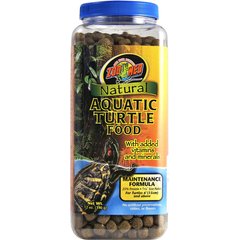
Pet turtles often require a combination of commercial turtle pellets, leafy greens, and occasional protein sources.
Recommended Products

Tortoises
Tortoises are primarily herbivores. Their diet consists mostly of grasses, leafy greens, and vegetables. They require a high-fiber, low-protein diet to stay healthy, and can also have commercial tortoise pellets.
Recommended Products


Feeding a tortoise too much protein can lead to health problems, including shell deformities.
Lifespan: How Long Do Turtles and Tortoises Live?
Both turtles and tortoises are long-lived reptiles.
Many pet turtles live 20 to 40 years with proper care, though some species can live longer.
Tortoises are known for their remarkable longevity. Depending on the species, they may live 50 to 100 years or more. This makes them one of the most significant long-term commitments in the pet reptile world.
Before choosing either a turtle or a tortoise, it’s important to consider who will care for the animal decades from now.
Turtle vs. Tortoise as Pets
If you’re deciding between a turtle or tortoise as a pet, their habitat needs are a major factor.
Turtle as a Pet
Pet turtles require an aquatic setup that includes:
- A properly sized aquarium or pond
- Clean, filtered water
- A basking platform
Recommended Product

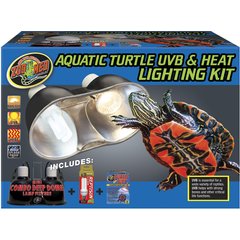
- UVB lighting and heat lamps
Recommended Product
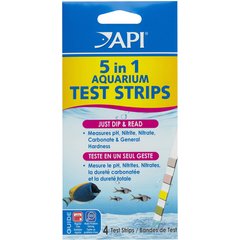
Maintaining water quality is essential and requires regular cleaning and monitoring.
Recommended Products

Tortoise as a Pet
Tortoises need a spacious land enclosure with:
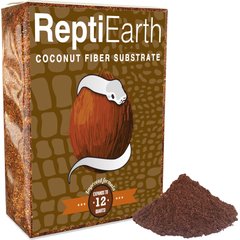
- Proper substrate for burrowing
Recommended Product
- UVB lighting
Recommended Product

- Temperature gradients
- Outdoor space (for some species and climates)
Many tortoise species grow quite large, so space requirements can be substantial.
Which Is Better for Beginners?
Neither is necessarily easier. Turtles require water filtration and tank maintenance, while tortoises require large enclosures and long-term space planning.
The best choice depends on your available space, local climate, and your ability to meet their long-term care needs.
Common Myths About Turtles and Tortoises
Myth: They’re the same animal.
While related, turtles and tortoises have distinct adaptations and care requirements.
Myth: Tortoises can swim well.
Most tortoises are poor swimmers and can drown.
Myth: Turtles are low-maintenance pets.
Aquatic turtles require consistent tank cleaning and specialized lighting.
When it comes to turtle and tortoise differences, the most important distinction is habitat: turtles are built for water while tortoises are built for land. Their physical traits, diet, and care needs all reflect this difference.
Both tortoises and turtles can make fascinating reptile pets, but they require thoughtful preparation and a decades-long commitment. Before bringing one home, be sure you’re ready to meet their specific environmental and nutritional needs for years to come.
Attributions
This article was created with assistance from AI tools. The content has been reviewed for accuracy and edited by a human.