Hedgehog Care Sheet


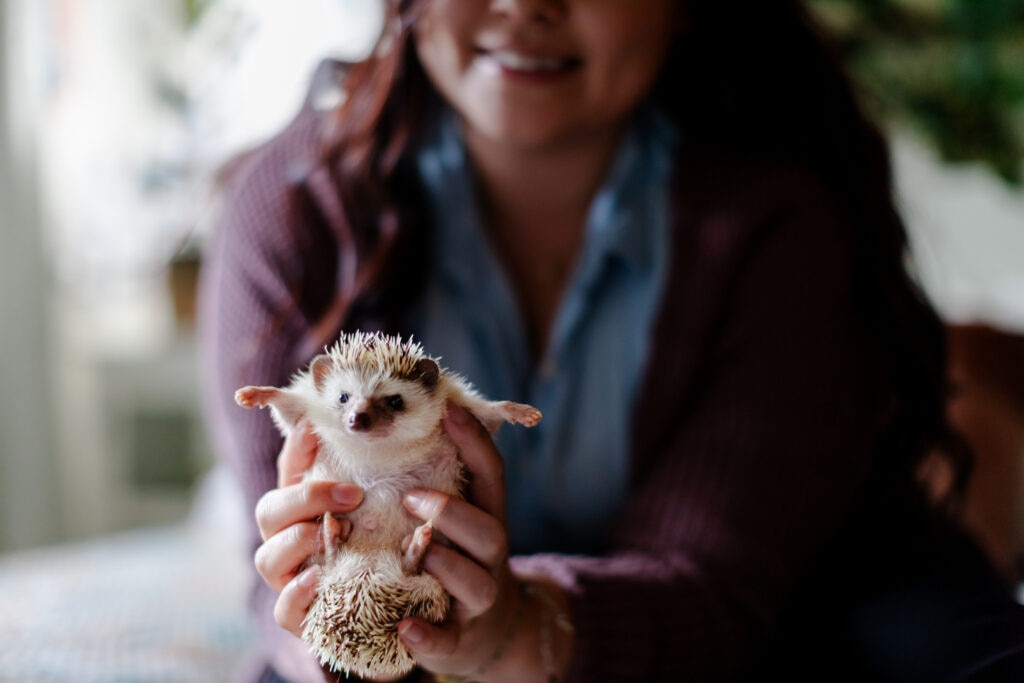
Photo by timnewman/E+
Pet hedgehogs can make great pets. While they aren’t the best pet for young children and require special attention and care, having a pet hedgehog can be very rewarding for experienced small pet enthusiasts.
Hedgehog Overview
- Not all states allow hedgehogs as pets; New York, California, and Hawaii are among them.
- These prickly creatures prefer to live alone.
- It can take time for hedgehogs to warm up to and trust their humans.
Fun Facts About Hedgehogs
- The spikes along their backs are quills—these protect against predators.
- If you see your hedgehog ball up, they are trying to defend themselves.
- Hedgehogs are nocturnal.
Hedgehog Habitat
A single pet hedgehog should have an enclosure that’s at least 2 feet by 3 feet, 2 feet tall, with bars that are no more than 1 inch apart.
Recommended Product
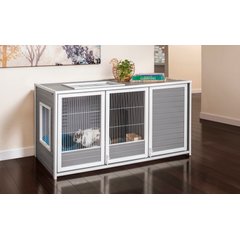
Put the enclosure in the living room or a bedroom—anywhere the family spends a lot of time and your pet can get used to your presence. Make sure the enclosure is out of direct sunlight and not in a drafty area or near air conditioning.
Keep room temperatures between 70–85 F. Hedgehogs can overheat if temperatures exceed 85 F. If temperatures fall below 65 F, your hedgehog will be less active and their immune system can be compromised.
Line the bottom of the habitat with 3–4 inches of paper bedding or crumbled paper. You can also keep towels or floor liners at the bottom along with recycled paper, since hedgehogs like to burrow and dig.
Recommended Products
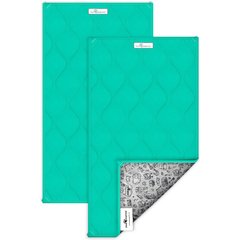
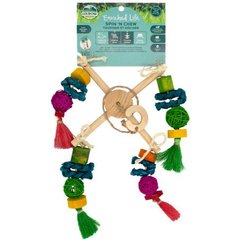
Hedgehogs need plenty of cage accessories and enrichment toys. Get a solid surface exercise wheel, and avoid mesh or anything with holes, as your pet could get stuck.
Recommended Product

Once you get to know your hedgehog, they can roam outside their enclosure as long as you supervise your pet.
Provide fun hideouts and tunnels inside and outside the enclosure. These can even be made out of old cardboard boxes and corrugated pipe.
Recommended Products
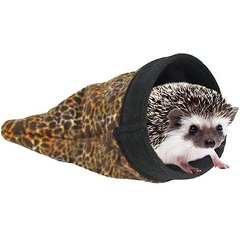
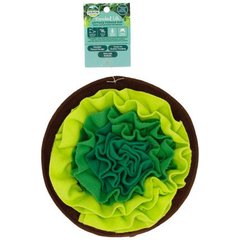
Some hedgehogs like small toys and stuffed animals, while others don’t. Try a few different options to see what your pet prefers.
Recommended Products
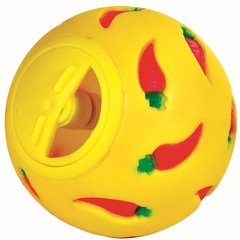
Hedgehogs can be litter box–trained, so you may want to add a litter pan like this one by Frisco.
Recommended Product

Cleaning and Maintenance
Hedgehogs defecate a lot, so you might need to spot-clean your pet’s enclosure more than once a day. Thoroughly wash food and water bowls, and remove soiled bedding and leftover food, daily.
Cages should be emptied and cleaned at least once a week. While you clean, put your hedgehog in a secure environment, like a travel carrier or another enclosure.
Discard old bedding, remove toys and accessories, and thoroughly clean the enclosure with a cage cleaner that’s appropriate for hedgehogs, like Nature’s Miracle.
Recommended Product

Rinse until the cleaner’s odor is gone, and let the enclosure dry completely before adding in new bedding, the toys and accessories, and your pet.
Hedgehog Food
Your hedgehog’s diet should primarily be made up of fortified pellets, based on their weight and the manufacturer’s instructions.
Recommended Products

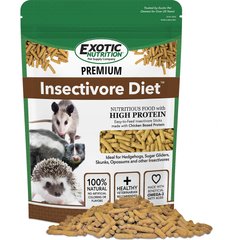
Live or freeze-dried insects, including crickets, mealworms, and dubia roaches, can be fed as treats, as well as small amounts of cooked, unseasoned, lean meat. Cooked, fresh vegetables such as green beans and carrots can also be fed in small quantities.
Keep a bowl of fresh water available at all times. A heavy bowl, like one made of ceramic, might be best since it won’t tip over as easily as other types.
Hedgehogs are most active at night, so stick to an evening feeding time.
Hedgehog Health
Hedgehogs can face several health issues, such as mites, respiratory infections, and obesity. It’s recommended to take your hedgehog to an exotic animal vet every 6 to 12 months for checkups, as they’re very susceptible to illness and disease.
Closely monitor your hedgehog to ensure they’re behaving as they should. If your pet is eating and drinking normally, has healthy quills, and remains active at night, there’s no cause for concern.
Contact your vet if you notice anything out of the ordinary, like quill loss, poor appetite, a wobbly gait, or a dip in activity. These symptoms could be part of a larger issue.
Pet Hedgehog Supply Checklist
Before you bring your hedgehog home, make sure you have everything at the ready, including:
- Appropriately sized habitat
- Paper-based bedding or cage liners
- Food dishes and water bowls
- Tunnels, hideouts, and ramps
- Exercise wheels and toys
- Litter box, if you plan to train
- Live or freeze-dried insects
- High-quality pelleted hedgehog food
- Cage cleaner
FAQs About Hedgehogs
How long do hedgehogs live?
Hedgehogs can live 8 years or longer with proper care.
Are hedgehogs good pets?
Hedgehogs can be great pets, but if you have young children, consider finding a small pet that’s generally friendlier and not so prickly.
How big do hedgehogs get?
Hedgehogs can be anywhere from 9–14 inches long, and weigh about 1 pound when full-grown.
How much do hedgehogs cost to adopt?
Hedgehog costs vary by factors that include location, breed, age, and where you’re getting your pet from, such as a pet store, breeder, or rescue. Buying a hedgehog can cost anywhere from $100–$600, while adopting one from a rescue may be less expensive. These fees don’t include the cost of supplies and foods your pet will immediately need, which will also vary based on location and quality.
Click here for a downloadable PDF version of this care sheet!
Attributions