12 Common Sugar Glider Behaviors

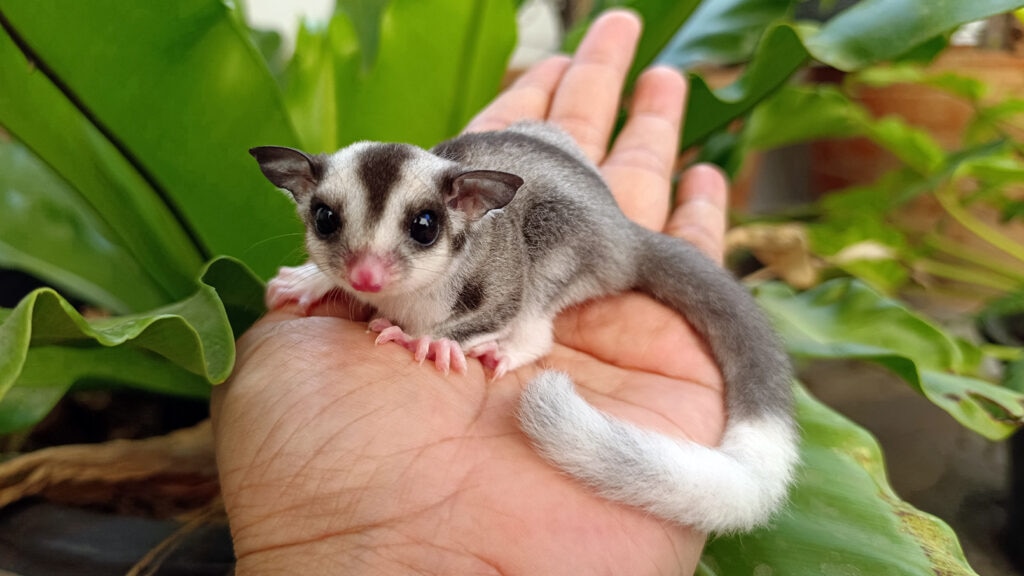
Photo by Alisa Aritsarasakul/iStock/Getty Images Plus
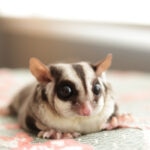
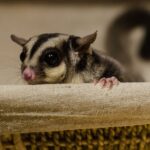
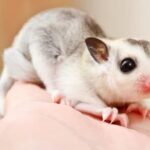
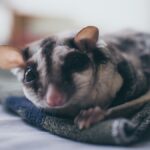
While sugar gliders don’t fly, exactly, these little dynamos know how to spring themselves across a room. In their native habitat, they glide through the trees to feed on sap, gum, nectar, and pollen—as well as insects. Their name comes from this fondness for sweets. They’re nocturnal, smart, playful, and need a lot of space to run and jump.
Native to Australia, Indonesia, and Papua New Guinea, sugar gliders are considered exotic pets and are illegal in some states. It should be noted that they’re wild animals, but if you’re thinking about adding some sweetness to your life by adopting a sugar glider that needs rehoming, here are some of the distinctive sugar glider behaviors you can expect.
Key Takeaways
- Sugar gliders are nocturnal—so daytime sleeping and nighttime leaping are common parts of their routine.
- They “bark” like tiny puppies to communicate, especially at night.
- Sugar gliders also practice “crabbing,” a unique, high-pitched sound signaling displeasure or fear.
- Other behaviors include purring when content, scraping when upset, and rubbing their scent glands to mark territory.
- They frequently leap, climb, peep out of pockets (like joeys in a pouch), and have a sweet tooth for nectar and fruit.
1. Daytime Sleeping, Nighttime Leaping
Sugar gliders are nocturnal. This means they want to sleep all day and might be inclined to leap around their cage or enclosure at night. You won’t have to tip-toe around your sleeping glider during the day too much; they can sleep rather deeply and some owners report that they can be downright hard to wake from a deep slumber.
2. Barking
Dogs bark to communicate and sugar gliders do, too. The sound of a barking glider is similar to a small puppy, or a small puppy who swallowed a squeeze toy. Expect to encounter some barking if your sugar glider is trying to communicate something with other sugar gliders or even you. Oh, and don’t forget that sugar gliders are nocturnal, so that “little dog” you hear barking in the night might actually be your sugar glider down the hall.
3. Crabbing
Sugar gliders are fortunate that nature gave them one of the more memorable sounds to say, “Stop it!”—a unique sound that some describe as a swarm of locusts or an alien invasion with a noise that ebbs in and out of a high pitch. Don’t fret, your sugar glider is not possessed. He might be frightened and not happy with the situation. Although it’s an interesting sound, don’t make your sugar glider feel on edge just to hear it; stop what you are doing as soon as he starts crabbing.
4. Hissing
Sugar gliders not only bark like a dog, they sometimes hiss like a cat. There are varying degrees of hissing: slow, drawn-out hissing; short hissing and even hissing intermixed with barking. There isn’t a “one hiss fits all” interpretation of a sugar glider’s hiss. The duration of the hiss, the circumstances that elicit a hiss and other minute factors can make a hiss mean different things, such as hissing to say, “Hey you!” to a fellow sugar glider; or “Out of my way!” to “Hello.” Some sugar glider enthusiasts say that they might also hiss while going potty, especially when constipated.
5. Purring
Just like a cat, a happy, relaxed sugar glider might be inclined to purr, but it’s not as loud as a cat’s purr.
6. Taking a Bite… of You
Aside from crabbing, another efficient and direct way for your sugar glider to express displeasure at something you did that he finds frightening or annoying is to bite. A sugar glider will often crab just before biting, so you will be forewarned.
7. Scraping You With Their Teeth
In the wild, sugar gliders scrape the trees to draw out the sap to eat. In the home setting, your legs and arms can resemble tree trunks, so don’t get mad at your sugar glider if his natural instincts momentarily take over and you feel teeth against your skin. Give your sugar glider an appropriate toy or treat to distract him and stop him from trying to de-sap you.
8. Sneezing and Wiping Their Hands onThemselves
Don’t worry, there is no need to direct your sugar glider to a tissue box. Your pet is spitting saliva in his hands to rub into his fur while he grooms himself. Sounds gross, but one touch to your sugar gliders silky fur and you might just want him to spit on your hands so you can try it on your own lovely locks.
9. Rubbing Against Things
You might think your sugar glider is trying to give you a hug when he greets you with open arms. What he might actually be doing is marking you as part of his “property.” Ditto for that head rub. A male sugar glider will be inclined to rub the scent glands on his head and chest against things, including you, to mark his territory. An un-neutered male will do a lot more marking than one that has been neutered.
10. Leaping And Climbing
In the wild, sugar gliders spend most of their time in trees, and their main form of transportation is leaping from tree to tree. In the home, your pet sugar glider might very well treat you like a tree. Instead of climbing tree limbs, he’ll be climbing your limbs, and sometimes he’ll head straight to the top of your head.
11. Peeping out of Pockets
Much like kangaroos, baby sugar gliders spend their infancy in the mother’s pouch, so it should be of no surprise that your sugar glider will feel right out home hanging out of your pocket. It might be a challenge at times to get your sugar glider to leave your shirt pocket.
12. Seeking Out Sweets
They’re called sugar gliders for a reason. In addition to their ability to glide, these little furballs also have an extreme fondness for sweet fruits and vegetables. In the wild, they consume nectar and pollen from sweet gum and eucalyptus tree blossoms. So, if you go off of the old adage, “You are what you eat,” sugar gliders certainly can be one sweet pet.
FAQs About Sugar Gliders
Are sugar gliders nocturnal?
Yes. Sugar gliders are nocturnal, which means they tend to sleep during the day and become highly active at night, leaping around their cage or enclosure.
Why do sugar gliders bark?
Sugar gliders bark to communicate with other sugar gliders or with people, and because they are nocturnal, they often bark during the night.
Why does my sugar glider rub against things?
A sugar glider may rub their head against you (or objects) to make their territory, and what appears to be a hug from a sugar glider is their way of rubbing the scent glands in their chest against you.
Do sugar gliders bite?
A sugar glider may bite when they’re frightened or annoyed, so listen for their “crabbing” noise—a unique sound they make that ebbs in and out of a high pitch, like a swarm of flying insects.
Attributions